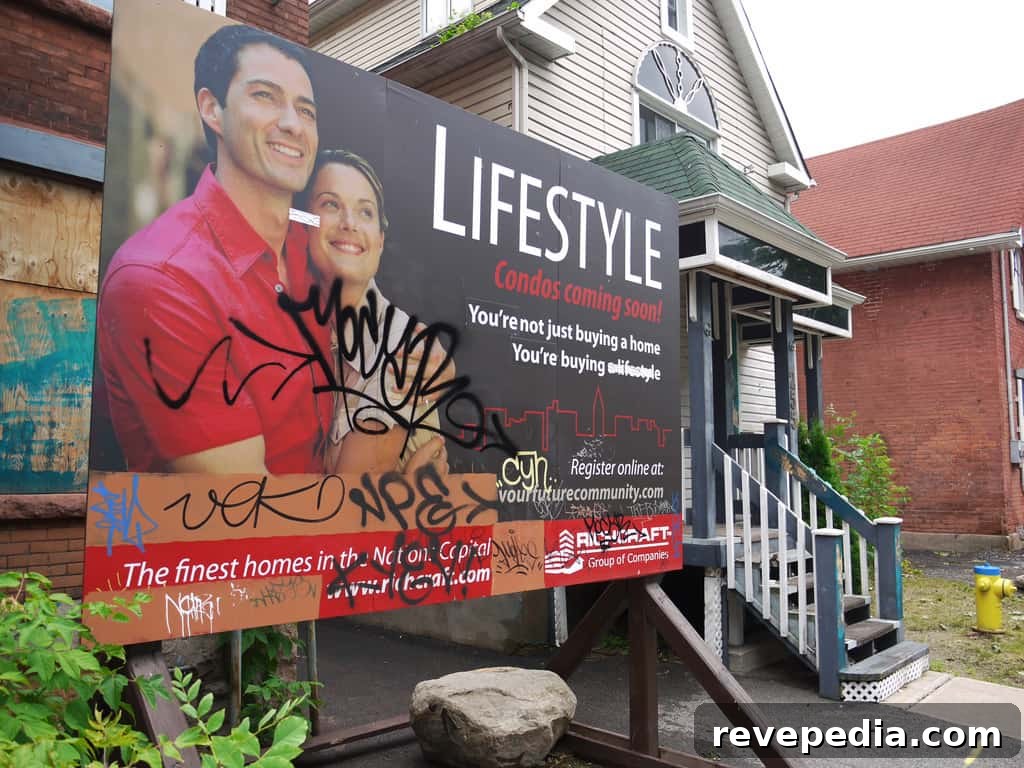
Gentrification. The word often evokes images of empty nesters and young professionals sipping lattes in newly renovated brownstones, and also of local residents and activists protesting the loss of longtime businesses and affordable housing as new developments replace older structures.
If you’ve ever considered renovating a neglected property, you’ve likely played a part in the process people call gentrification. The term is frequently used casually, but as a social phenomenon it is complex and cannot be reduced to a single perspective. Many people feel they understand it at a glance, yet find the broader implications confusing or even troubling.
This article aims to clarify what gentrification means from a sociological standpoint.
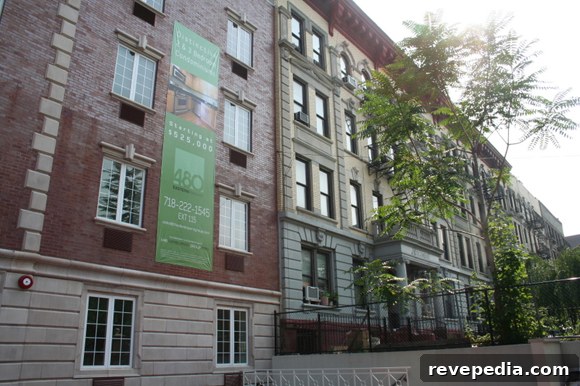
From a sociological perspective, gentrification describes the movement of middle- and upper-class households into lower- and working-class neighborhoods with an intention—explicit or implicit—to renovate properties and reshape the neighborhood toward more suburban or affluent standards. It is often seen as the reverse of the mid-20th-century “white flight,” when many middle-class households left urban centers for suburbs.
Proponents argue that gentrification can revitalize economically depressed areas by attracting investment, increasing homeownership, improving housing stock, and encouraging new businesses and public amenities. These changes can foster a renewed sense of local pride and improved urban infrastructure.
Opponents point to economic displacement—sometimes called economic eviction—where rising property values, rents, and taxes make it difficult for long-term, lower-income residents to remain. As neighborhoods gentrify, social services may also shift or shrink if perceived need declines, further disadvantaging those who remain. In this way, gentrification can both improve a neighborhood’s built environment while simultaneously undermining the social fabric that previously defined it.
The term “gentrification” was coined by British urban sociologist Ruth Glass in 1964. Derived from the French word for “gentry,” it has become a focal issue across academic, political, and community debates. To understand gentrification fully, sociologists examine multiple explanatory frameworks. As scholars Bruce London and J. John Palen outlined in 1984, key perspectives include demographic-ecological, sociocultural, political-economic, community networks, and social movement frames. Each highlights different causes, processes, and consequences, from shifting population patterns and cultural preferences to broader economic and policy forces.
Examining gentrification sociologically reveals how it shapes more than housing and streetscapes. It influences local economies, social relations, cultural life, political power, and access to services. The impacts can be both visible—like renovated buildings and new businesses—and subtle, such as altered social networks or changes in who feels welcome in public spaces.
In a series of posts, we will explore gentrification through this sociological lens to offer a rounded understanding of the phenomenon. We’ll consider perspectives of long-term residents, newcomers, property owners, policymakers, and community organizations. We’ll also discuss practical considerations for DIY renovators and home-improvement enthusiasts who may be participating in neighborhood change, and we’ll address strategies for responding to gentrification’s consequences, including approaches to mitigate harm and to manage situations where revitalization efforts falter.
Photo: Steve