
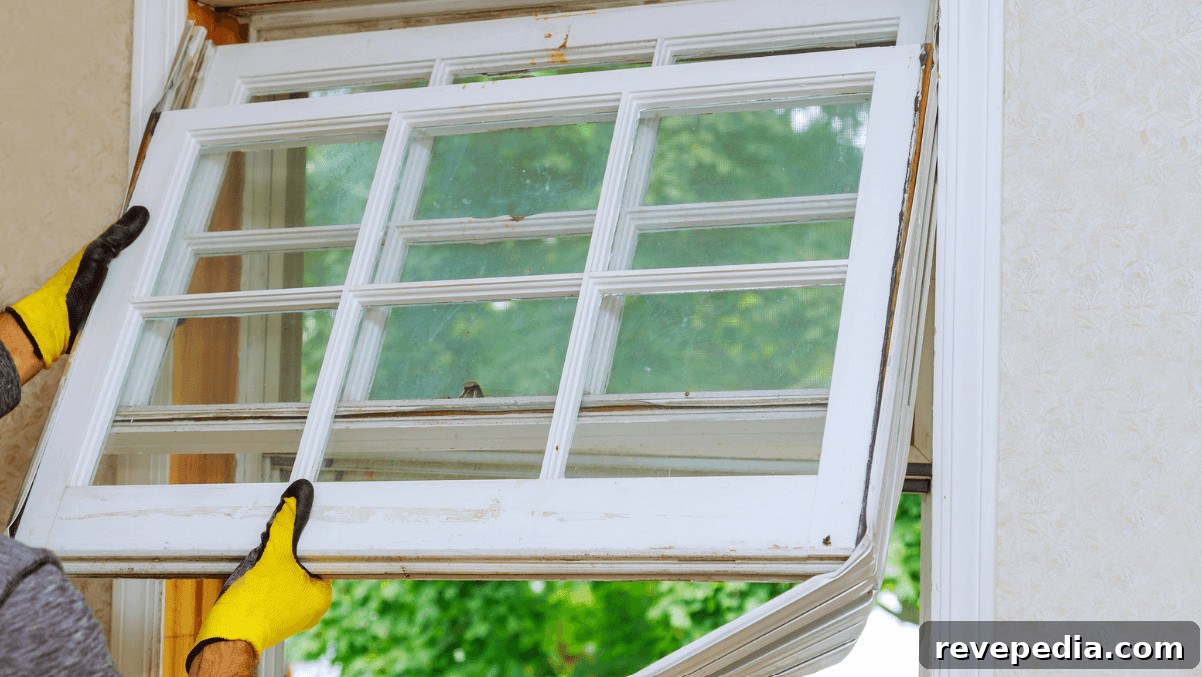
Most windows begin to show signs of wear well before they stop functioning entirely. You may notice a draft around the frame, persistent condensation that won’t wipe away, or a window that has become harder to open and close. These issues can be easy to ignore during mild weather but often become much more obvious as temperatures fall.
Inspecting your windows before winter gives you time to determine whether a minor repair will suffice or whether a full replacement is necessary. Addressing drafts and other problems early reduces heat loss, improves comfort, and can lessen the load on your heating system once it’s in regular use.
Below are the most common signs that a window is approaching the end of its useful life, and guidance on when to repair versus replace.
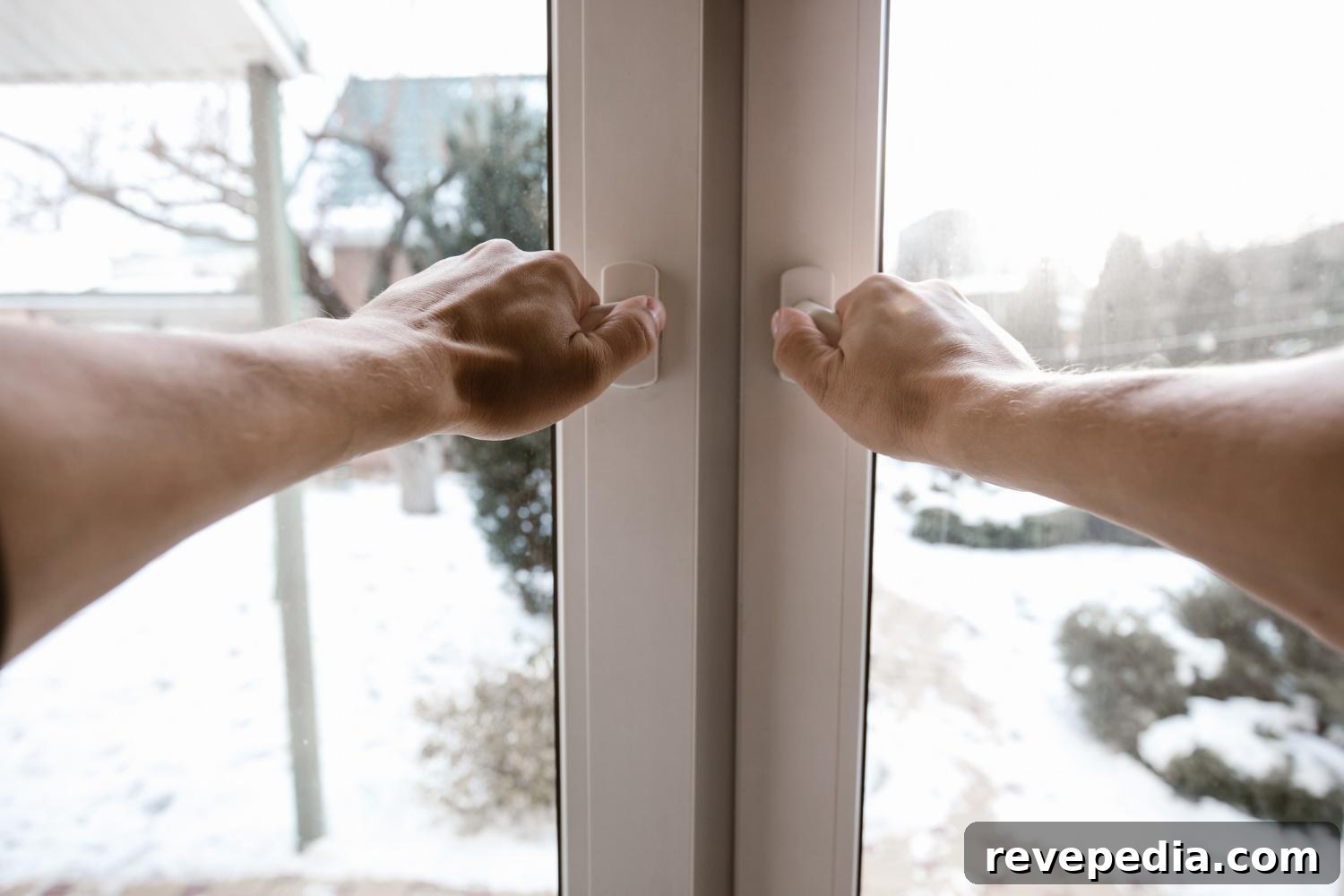
Image by maximkostenko on Magnific
Working with a window replacement specialist
Choosing replacement windows involves more than style. Frame material, glass type, energy performance ratings, and the quality of installation all influence how well a window will insulate, operate, and last. Local climate also affects the optimal choices: windows suitable for mild, dry climates may not perform as well in areas with cold winters or heavy moisture.
When evaluating installers and products, compare materials, energy ratings, and installation methods. Consider how a window performs in your climate and whether the installer offers proper sealing, flashing, and warranty coverage. Taking the time to compare options helps ensure you select windows that improve comfort, reduce energy use, and suit your home’s needs.
Condensation between the panes
Modern double- and triple-pane windows are sealed units that often contain insulating gas. When that seal fails, moisture can enter the space between panes and cause fogging or condensation that won’t wipe away from either side of the glass. A failed seal reduces insulating performance, which can increase heat transfer and energy use.
Fogging usually worsens over time as seals degrade further. Because windows account for a meaningful share of a home’s heating and cooling energy use, identifying and addressing failed seals before winter can help preserve comfort and reduce energy costs.
Drafts around the frame
You don’t need specialized tools to detect drafts. On a cool day, move your hand slowly around the frame and sash to feel for moving air. Drafts often indicate worn or missing weatherstripping, a gap between the frame and opening, or frame deformation.
Simple solutions such as replacing weatherstripping or re-caulking can fix many draft issues. If the frame is warped, shifted, or separated from the structural opening, however, a repair may be temporary and replacement may be the more durable solution.
Difficulty operating the window
A window that has become hard to open or close should be inspected promptly. Wood frames can swell, warp, or deteriorate as moisture and temperature change. Vinyl frames are less susceptible but can still deform or lose functionality with age.
Also check the latching mechanism. If the sash no longer closes tightly enough for the latch to engage, outside air can enter and the window’s security can be compromised. Windows that don’t operate smoothly or fail to latch properly may need adjustment, repair, or replacement depending on the cause.
Visible frame damage
Soft spots or crumbling around a wood frame are signs of rot, especially when the window has been exposed to moisture for a long time. Untreated rot can spread into the surrounding wall, turning a localized repair into a larger structural problem.
Vinyl frames can also develop issues such as cracks around corners and high-stress areas. When such damage spreads, it often indicates aging or material failure and may justify full frame replacement rather than repeated repairs.
Cold surfaces and radiant heat loss
Sometimes an inefficient window reveals itself by touch: on a cold day, older glass can feel significantly colder than surrounding walls. Sitting or standing near a cold window can make the room feel less comfortable even with heating on.
Newer low-emissivity (low-E) glass and insulated multiple-pane units are designed to limit radiant heat transfer through the glass. Replacing single-pane or outdated windows with energy-efficient units can improve comfort near windows and reduce overall heat loss in cold weather.
Timing the replacement
If you want new windows installed before winter, start planning well before the first major cold spell. Custom and semi-custom windows may require lead times to manufacture, and scheduling installation is generally easier before temperatures drop too low.
Early to mid-autumn is often a practical window for ordering and installation. That schedule allows time to address unexpected issues at the openings, obtain proper flashing and sealing, and ensure the new windows are fully weather-proofed ahead of sustained cold weather.
Don’t wait for a window to fail completely
A window does not need to be shattered to cause problems. Persistent drafts, condensation between panes, damaged frames, and windows that no longer open, close, or latch properly are indicators that attention is required. Some situations can be remedied with weatherstripping, reglazing, or targeted repairs; others point to seal failure or extensive frame damage that make replacement the wiser long-term investment.
Inspect windows early, document the issues you find, and compare repair and replacement options. Early action gives you time to select appropriate materials and professionals and to schedule work so your home stays comfortable and energy efficient throughout the colder months.