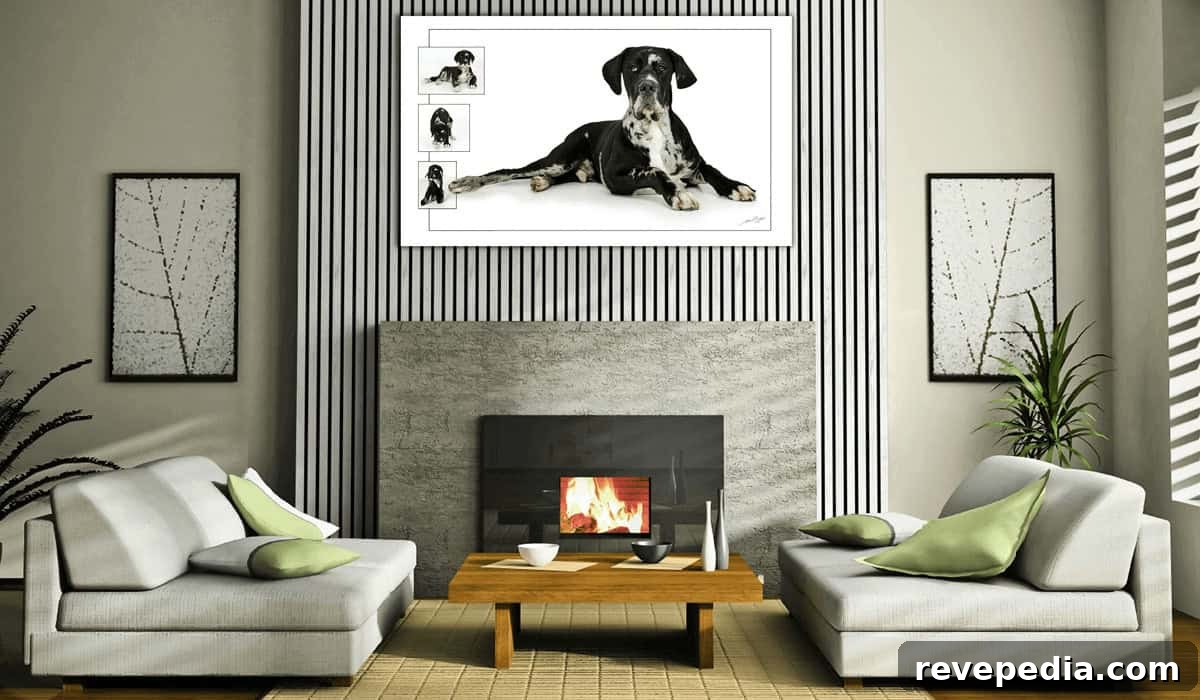
Imagine walking into a room you’ve just painted. The color is perfect and the furniture sits well, but the space still feels flat and unfinished. That’s a common frustration: paint alone can’t reproduce the architectural depth and character of custom finishes.
Wall texture is the professional upgrade that solves this problem by adding visual depth and a built-in look without major demolition. Dundee Deco 3D wall panels offer a refined aesthetic and a durable, versatile way to convert ordinary walls into striking focal points.
This review examines the panels’ materials, installation, and overall value to help you decide whether they fit your renovation goals.
What are Dundee Deco 3D Wall Panels?
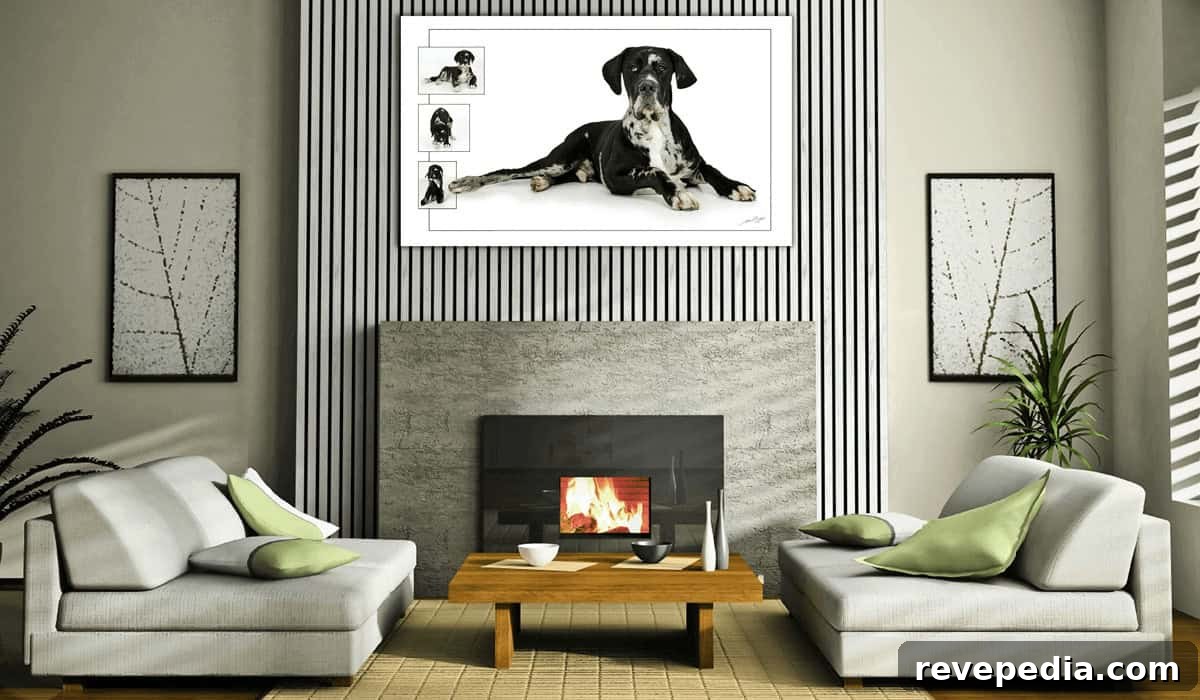
Photo from Dundee Deco
Dundee Deco textured 3D wall panels are decorative claddings that add depth and tactile interest to flat surfaces. Their raised patterns draw inspiration from brick, stone, wood and modern geometric motifs, transforming plain walls into architectural statements.
Common Materials & Benefits
Different materials target different needs, making it easy to pick the right option for the application:
- PVC: Moisture-resistant and often waterproof, ideal for kitchens, bathrooms and other humid spaces.
- Styrofoam (EPS): Extremely lightweight and budget-friendly, suited to DIY projects and large interior areas where ease of handling matters.
- Fiberglass Reinforced Plastic (FRP): Offers superior durability and fine detail, useful when you need a balance of strength and texture.
Key Advantages
- Versatility: Suitable for residential accents like feature walls and headboards, as well as commercial spaces such as hotels and restaurants.
- Simple Installation: Many panels install with straightforward glue-on or peel-and-stick systems, reducing labor time.
- Performance: Some panels add weather resistance and thermal or acoustic benefits in addition to visual appeal.
- Low Maintenance: Occasional dusting or wiping with a damp cloth keeps panels looking fresh.
“We love the look of our front porch area. The tiles were easy to install. I would definitely use this product again.” – Donna Warman
| DIY Installation Tip: Not all adhesives are compatible with every material. Styrofoam panels require solvent-free glue because some construction adhesives can dissolve foam. Always check the panel backing for manufacturer recommendations. |
Secrets to Pro-Level Upgrades
Design professionals use texture to define space. Installing Dundee Deco panels in targeted areas can elevate a home from ordinary to bespoke.
1. The Living Room Focus
- TV Accent Wall: Dark, textured panels focus attention and reduce visual clutter for a cinema-like backdrop.
- Fireplace Surround: Faux stone panels can turn a fireplace into a dramatic, high-end centerpiece.
- Behind the Sofa: An accent wall behind seating anchors the layout so furniture doesn’t feel like it’s floating.
2. Rest & Transition
- Bedroom: A floor-to-ceiling textured headboard wall creates a luxurious hotel-style look.
- Entryways: Use textured cladding to create an immediate focal point and a welcoming first impression.
- Stairwells: Treat transitional walls as gallery surfaces with bold patterns or repeating textures.
3. The Modern Home Office
- Video Call Backdrop: A textured panel behind your desk gives a polished, studio-quality appearance for remote meetings.
| Designer Tip: Don’t be afraid to experiment with depth and shadow—wall panels can change the perceived scale and mood of a room. |
How to Select the Perfect Panel Pattern
 |
 |
 |
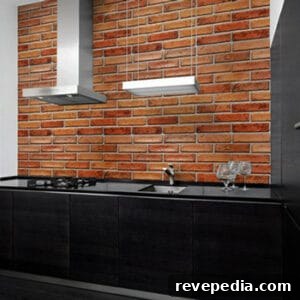 |
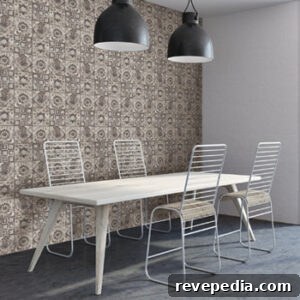
Selecting a pattern requires thinking about room scale and the effect you want to achieve.
1. Matching Pattern to Scale
- Large Walls: Choose bold, repeating geometric shapes so the pattern reads from a distance and makes a strong statement.
- Smaller Areas or Backsplashes: Finer textures like faux brick or small stone repeats suit compact spaces better.
- Architectural Harmony: Consider full collections and pick patterns that complement existing moldings, trim and room proportions.
2. Pre-Installation Checklist
Careful planning avoids awkward cuts and visible seams. Confirm these items before you begin:
| Task | Requirement |
| Estimate Coverage | Calculate total square footage and add 10–15% for waste and pattern matching. |
| Wall Condition | Surfaces should be clean, smooth and primed for optimal adhesion. |
| Mapping | Plan for outlets, switches and transitions so visible edges look intentional. |
Pros and Cons
Weighing the benefits against installation needs will help determine whether these panels are right for your project. Dundee Deco panels deliver impressive looks, but surface preparation is critical for long-term performance.
Pros
- Easy installation with glue or peel-and-stick options, making them accessible for DIYers without specialized tools.
- Lightweight materials enable quick handling and coverage of large walls, and many options are suitable for outdoor use.
- Realistic textures—brick, stone, wood—add depth and can provide acoustic and moisture-resistant benefits depending on material.
- Durable and low-maintenance: routine dusting or an occasional damp cloth keeps them in good condition; some styles are weatherproof.
Cons
- Precise cutting is required around outlets and corners; accurate measurements and planning are important for a seamless finish.
- Wall preparation—cleaning, sanding and priming—is recommended for reliable adhesion and to avoid future lifting.
- Adhesive selection is important for long-term hold; follow manufacturer guidance for the chosen panel material.
“Our HOA requires outdoor buildings to match our houses. I purchased a standard garden shed and used these brick-look panels to match our house, and it looks amazing. Installation was straightforward with all cutting with a razor knife, and panels were applied with construction adhesive.” – KayakDave
| Warning / Important: Never skip surface preparation. Applying panels to dirty, damp, or uneven walls will reduce adhesive performance and can cause panels to sag or detach over time. Ensure surfaces are clean, dry and flat before installing. |
Rating of the Product
We evaluated Dundee Deco 3D Wall Panels across key categories to give a clear picture of performance and value.
Texture
Dundee Deco produces sharp, well-defined patterns that interact with light to create believable shadow and depth. PVC finishes are smooth and paint-ready, while Styrofoam models offer a soft, matte look.
Specifications
Panels are manufactured in consistent sizes—examples include dimensions like 3.33 ft x 1.66 ft for some foam brick patterns—helping maintain straight lines during installation. Their lightweight construction helps keep panels adhered without sagging.
Durability
PVC and FRP options resist everyday wear and are suitable as durable accent surfaces. Styrofoam variants are lighter and more vulnerable to pressure marks, so place them away from high-traffic contact areas.
Materials
Materials used—high-quality PVC, EPS foam and FRP—are generally safe and non-toxic. PVC panels are notable for splashproof or waterproof properties, making them usable in humid environments.
Value
Given a moderate price point, these panels offer high visual impact for a fraction of the cost of real stone or wood. DIY installation eliminates labor costs, improving overall value.
Maintenance
Maintenance is minimal. Unlike wood that needs periodic polishing or wallpaper that can peel, Dundee Deco panels usually require only dusting or occasional wiping to stay fresh.
Dundee Deco vs Generic Brands
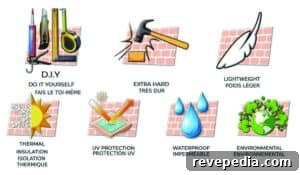
Dundee Deco competes closely with budget brands. While many competitors offer similar PVC designs, Dundee Deco stands out for a broader material selection that may include Styrofoam and composite options alongside PVC.
| Feature | Dundee Deco | Generic Brand |
| Materials | PVC, Styrofoam (EPS), FRP; moisture-resistant and weatherproof options | Basic PVC or foam; limited humidity and weather resistance |
| Design Variety | Wide selection of styles—brick, stone, wood grain, fluted and more | Fewer patterns, often basic repeats |
| Installation | Glue-on or peel-and-stick; consistent panel sizes for seamless fitting | Mostly glue-on; sizing may be inconsistent |
| Durability | Good impact resistance for PVC/FRP; suitable for outdoor use | Softer foam prone to dents; mainly indoor use |
| Added Benefits | Sound/heat insulation, paintable, low-maintenance | Minimal extras; basic cleaning required |
Generic brands may be cheaper, but Dundee Deco typically offers a wider material range and more detailed textures.
“The outlet stone look panels worked out perfectly for my small outdoor project, which was a facade of an old west jail to cover an exterior shed wall.” – Steven Green
Verdict and Recommendations
Dundee Deco 3D Wall Panels present a compelling option for DIY home renovations, striking a balance between professional aesthetics and user-friendly installation. They offer a cost-effective alternative to expensive architectural work and outperform temporary solutions like wallpaper in longevity and presence.
For a noticeable transformation, pick one feature wall and install a bold pattern this weekend. From contemporary geometric to rustic brick, there is a style to suit most design visions.
Start a DIY feature wall project to see how textured panels can redefine a room’s character and create lasting visual impact.
Frequently Asked Questions
Can 3D wall panels be painted?
Yes. Most Dundee Deco panels are paintable. Use paint suitable for the panel material—acrylic latex is a common choice for PVC.
Are 3D wall panels suitable for bathrooms and kitchens?
Certain types, especially PVC, are moisture-resistant or waterproof and are appropriate for high-humidity areas like bathrooms and kitchens.
How do I clean and maintain 3D wall panels?
Maintenance is simple: regular dusting with a soft brush or feather duster and occasional wiping with a damp cloth will keep panels looking like new.
Do I need professional installation?
Generally no—these panels are designed for DIY installation. For complex walls, ceilings or projects with many obstacles, a professional can help ensure the cleanest finish.