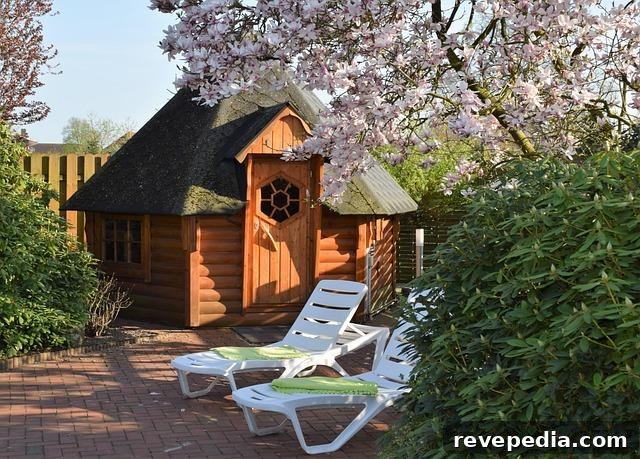
The four practical backyard wellness upgrades you will actually use are a privacy screen with anchored seating, layered ambient lighting, dedicated weatherproof storage, and a permanent heat and recovery area.
These focused improvements create a low-friction environment that supports daily habits. Rather than a showy setup used once a season, these changes convert an ordinary outdoor space into a functional retreat you’ll return to repeatedly.
There’s a clear difference between an elaborate backyard built to host a single summer event and a quietly considered space that serves a daily routine. The most effective outdoor upgrade is rarely the most expensive or visually complex; it’s the one that integrates seamlessly into your everyday rhythm.
Think of yard improvements as a layered system: each element enhances the usefulness of the next. A common and effective layout emphasizes a dedicated recovery sequence—adding a small cold plunge, a restorative red light sauna, or simply a quiet corner for reading can anchor a consistent routine.
Prioritizing usability over scale produces a daily retreat that truly earns its place in your life.
1. Small Privacy Screen and Anchored Seating Area
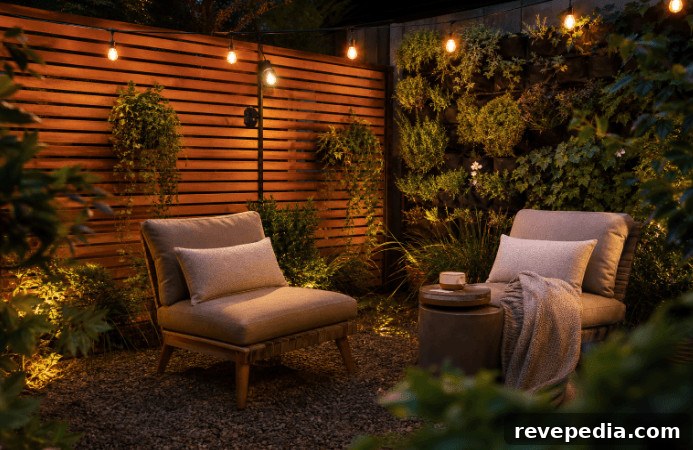
Before choosing materials, consider how environmental psychology shapes comfort. Spaces that feel exposed to neighbors rarely encourage unguarded relaxation. People naturally linger longer in designed privacy refuges when seeking restorative environments. The goal isn’t a sprawling patio but a sheltered outdoor nook.
Creating that sense of enclosure relies on targeted, modest barriers rather than major construction. Slatted cedar or composite screens can block specific sightlines; vertical garden panels provide a softer, living boundary that blends with the landscape. Renters and homeowners alike can achieve similar effects with weighted, weather-resistant freestanding panels.
Once you define the perimeter, choose seating that supports the space’s purpose. Anchored seating should have enough depth for comfortable lounging rather than shallow dining chairs meant for short sits. Pairing sturdy seating with all-weather cushions in neutral tones creates a calm space usable across seasons.
The privacy screen functions as both a visual shield and an ambient noise buffer. Inside this contained outdoor room, every further upgrade performs far better than it would in an open yard.
2. Intentional Lighting for the Margins of the Day
Poor lighting design often eliminates your best opportunities for outdoor relaxation. Bright security floodlights and cool-toned fixtures can make the yard feel surveilled rather than welcoming, undermining the quiet hours just before the house wakes and after obligations end. Those margins are when an intentionally designed outdoor space delivers the most value.
Reclaiming those hours means using layered lighting that guides movement safely and preserves a calm atmosphere. Warm, dimmable LED fixtures placed low to the ground provide necessary guidance without harsh glare. Shielded bollard lights form a navigation layer to safely move through the yard.
Finally, a therapeutic layer of red-spectrum or amber accent lighting supports evening relaxation and circadian health by limiting blue-light exposure after sunset. Designing lighting that works with human biology—not against it—turns your yard into an effective tool for decompression.
When the yard feels safe and inviting at night, its usefulness doubles. A well-lit nook becomes a convincing reason to step outside, any hour of the day.
| Key Insight: Warm, layered lighting reclaims the peaceful margins of the day, making early mornings and late evenings your most restorative outdoor hours. |
3. Dedicated Heat and Recovery Space
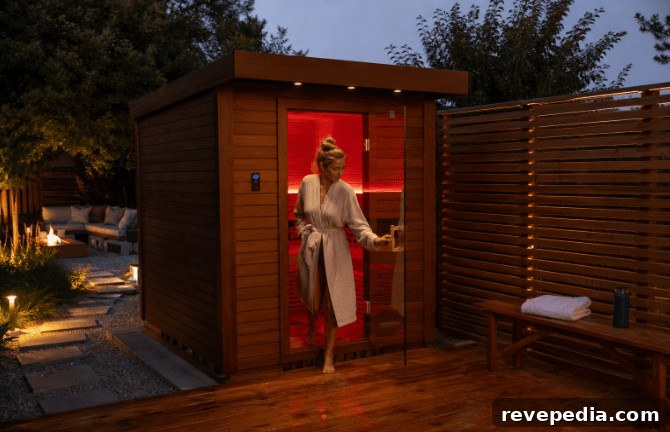
The ideal functional backyard actively supports physical recovery and stress relief. That requires installing permanent recovery infrastructure that anchors the yard’s design and changes how you interact with the space. A ready-to-use facility removes the final barriers to consistency.
Permanent installations need safe, permanent power. Confirm dedicated circuits and licensed hardwiring well before installation. Relying on extension cords creates safety and warranty issues and isn’t appropriate for long-term equipment. Coordinate panel amperage and installation timing with an electrician prior to delivery.
Ensure the equipment sits on a level, load-bearing pad—concrete, reinforced decking, or compacted pavers—to support heavy loads. Provide adequate airflow clearance on all exterior sides and orient doors toward your privacy screen to protect sightlines. Consider seasonal sun and wind patterns to avoid excessive heat buildup or freezing exposure.
Design for low-maintenance use; the easier it is to clean and maintain, the more likely you’ll use it. Choose interior surfaces that wipe down easily and confirm heater longevity and specifications. Check for low electromagnetic emissions to favor transparent engineering over opaque design.
| Warning/Important: Never rely on extension cords for permanent sauna installations. Hardwire dedicated circuits with a licensed electrician to avoid safety risks and warranty issues. |
4. Weatherproof Storage as Part of the Design
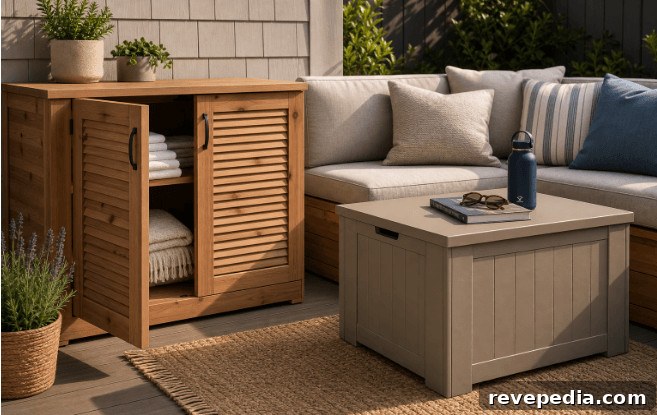
Small logistical gaps are what derail routines. A wet towel left indoors or a recovery tool stored elsewhere creates excuses to skip the outdoor ritual. The solution is better architecture, not more willpower: dedicated weatherproof storage reduces friction between intention and action.
Effective storage should be a considered design element within the wellness zone, not a utilitarian plastic bin shoved aside. A ventilated cedar cabinet beside the seating area keeps towels dry and organized, while a sealed deck box can double as a surface for a water bottle or book. Treat the storage unit as finished exterior furniture so it complements the aesthetic and remains fully functional.
Position storage within arm’s reach of the recovery space and fill it with essentials—dry towels, lightweight layers, and accessories—so you never have to make an interruptive trip indoors. Remove logistical barriers and the behavioral outcome changes: starting an evening wind-down becomes effortless, the natural next step of your routine.
Planning Checklist: Build a Wellness Zone That Fits Your Climate and Lot
Turning these ideas into a finished yard needs organized execution. Use this practical checklist to evaluate your site and coordinate logistics for a seamless upgrade.
Site and Structure Evaluation
Assess the physical landscape before buying equipment to avoid foundational mistakes and ensure the environment supports your installation:
- Confirm level ground and assess drainage patterns to prevent pooling.
- Verify structural load capacity for any deck or slab installation.
- Evaluate lot orientation for daily sun exposure and prevailing wind patterns.
Electrical and Safety Planning
Proper power management protects both people and equipment. Work with professionals and confirm requirements well before delivery:
- Confirm dedicated circuit amperage with a licensed electrician.
- Avoid extension cords or temporary power strips for permanent equipment.
- Coordinate hardwiring timeline with freight delivery and installation dates.
Privacy and Storage Integration
Ensure the space supports a relaxing, seamless daily routine. Thoughtful logistics keep the area enjoyable year-round:
- Assess neighboring windows, elevated decks, and property lines for privacy needs.
- Place weatherproof storage within arm’s reach of the recovery zone.
- Map a personal session sequence so the routine stays automatic across seasons.
The Bottom Line
The backyard you’ll use most often is usually the simplest one. Prioritize consistency over spectacle.
Treat outdoor upgrades as an integrated system: privacy screens create the psychological container, warm-spectrum layered lighting expands usable hours, weatherproof storage removes logistical friction, and a dedicated recovery space gives the yard its everyday purpose. Together, these elements make each upgrade more effective and ensure the space earns its place in your routine.
| Author Profile: Sun Home Saunas is a rapidly growing consumer services company focused on premium home wellness equipment, including residential saunas and cold plunge therapy systems. |