It’s been less than a year since you stained your deck, and now the finish is already flaking and peeling.
It might have looked fine for a few weeks, but then it went downhill fast. You may be blaming your technique, or wishing you had bought a higher-end stain. Those things can matter, but there’s another common reason for early failure that many DIYers overlook: the weather.
Even the best prep and products can be ruined by poor timing. If you stained on a humid day or right after a pressure wash while the wood was still damp, it’s no surprise the finish didn’t hold up. Some home improvement projects are particularly weather-sensitive, so read on to learn which tasks are most affected and how to avoid costly mistakes.
When Timing Makes All the Difference
It’s frustrating to pour a whole weekend into a big home project only to watch it fail within a few months. Skill and product choice are important, but atmospheric conditions—temperature, humidity, direct sun and wind—often play an even larger role in whether a job succeeds or fails.
Painting Your Home’s Exterior
Rain in the forecast is an obvious deal-breaker, but clear skies alone don’t guarantee success. Paint chemistry and application depend on suitable temperature and humidity ranges. If it’s too cold, paint will struggle to form a durable film and can begin to peel as weather cycles. If it’s too hot or the surface is in direct sun, the paint can dry too quickly, causing visible lap marks and preventing proper bonding to the siding.
Direct sunlight can “bake” the surface so the outer layer dries before the paint can properly bond, leading to cracking and early failure once temperatures change. Most paint products list recommended application temperature and humidity on the label—follow those guidelines. They’re there to help ensure the paint cures properly and lasts.
Pouring and Curing Concrete
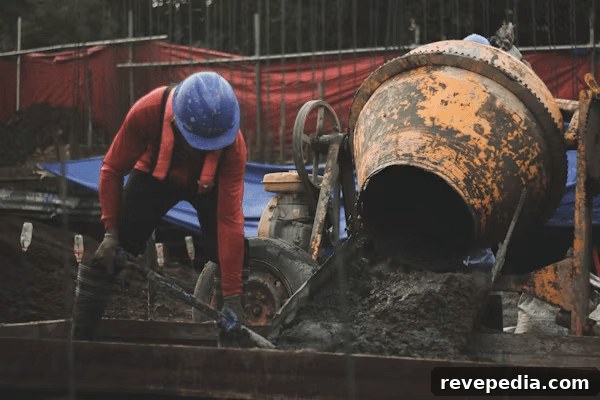
Mixing and pouring concrete is straightforward, but the curing phase determines long-term strength and durability. Curing is highly sensitive to weather. Hot, dry conditions accelerate evaporation, which can cause the concrete to shrink and crack while its interior remains incompletely hydrated. Cold conditions can stall the chemical reactions that harden concrete, risking a weak top surface that may flake or powder away.
Heavy rain during or just after pouring can wash out cement and leave you with a compromised surface or sandy, weak concrete. To protect fresh pours, use insulating blankets or enclosures in freezing conditions and curing compounds or shading to slow moisture loss in extreme heat. If the weather turns unexpectedly while concrete is curing, cover and protect the slab to keep moisture levels stable.
Roof Repairs and Replacements
Roof work is particularly weather-dependent. Safety is always a top priority—avoid working on wet, slippery surfaces. Beyond safety, materials behave differently depending on temperature and wind. Windy conditions make handling and aligning shingles difficult and can interfere with adhesives and fasteners. Extremely hot roofs can soften shingle adhesive strips, causing shingles to stick prematurely and potentially warp.
While emergency tarp-ups may be necessary in storms, planned repairs should be done in calm, dry weather with moderate temperatures to ensure materials install correctly and last as intended.
Staining or Sealing a Deck
Pressure-washing before staining is a common and often necessary step, but staining too soon afterward is a frequent cause of failure. Pressure washing soaks decking boards, and even if the surface feels dry, the wood can remain wet inside for days. Applying stain to damp wood prevents proper penetration and adhesion, leading to blotchy appearance and premature peeling.
Use a wood moisture meter to confirm the deck is dry enough before staining. A simple water test also helps: sprinkle a little water on a board—if it soaks in, the wood is dry enough; if it beads up, wait longer. Extreme heat is another issue: high temperatures can cause stain to dry too quickly on the surface, forming a thin film that blocks further absorption and weakens the finish.
Check the forecast for temperature and humidity, and avoid staining during or immediately after prolonged wet weather. Proper timing and patience will give you a more even, longer-lasting finish.
Practical Tips to Account for Weather
– Always read and follow manufacturer recommendations for temperature and humidity ranges on paints, stains, and sealers. These are not arbitrary numbers; they affect curing and adhesion.
– Monitor short-term and extended weather forecasts before scheduling critical steps like staining, painting, or concrete pours.
– Use moisture meters for wood projects and cover or protect fresh work during unexpected weather shifts.
– When in doubt, postpone non-urgent work. Waiting a few days for favorable conditions often saves time and expense compared with redoing failed work.
Conclusion
Skill, the right tools, and quality materials all matter, but you can’t ignore the weather. For many exterior home projects, timing is just as important as technique. If you proceed on a day that’s too hot, too cold, too humid, or too windy, you increase the risk of early failure—no matter how carefully you work.
Plan with the forecast in mind and give yourself flexibility to delay work when conditions are unfavorable. A patient, weather-smart approach will make your paint jobs, concrete pours, roof repairs and deck stains last much longer and save you money and frustration in the long run.