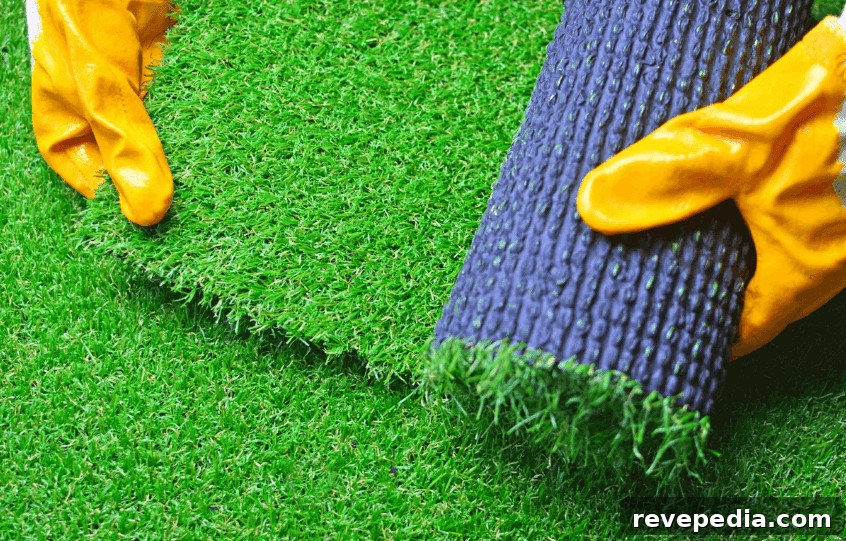
Keeping a lawn alive in Tempe is a constant challenge. Arizona’s desert climate brings scorching summers, ongoing drought pressure, and tightening water restrictions that make maintaining natural grass more expensive and time-consuming than many homeowners expect.
Artificial turf presents a practical alternative tailored to these conditions. Instead of paying for frequent irrigation cycles, seasonal reseeding, and fertilizers to keep grass from going dormant or dying, many Tempe residents are choosing low-maintenance synthetic turf that looks good year-round and requires far less attention.
This choice is rarely only about looks. When water conservation is both an environmental and financial concern, switching from natural grass to artificial turf becomes a sensible response to local realities. Below are seven clear reasons why more homeowners in Tempe are making the change.
Why Artificial Turf Makes Sense in Tempe Yards
Tempe’s intense heat, persistent drought, and high irrigation demand make natural grass expensive to keep healthy over time. Water restrictions tighten during dry periods, utility bills rise with every irrigation cycle, and even carefully tended lawns can thin out or go dormant under the Arizona sun. Artificial turf addresses these pressures by eliminating routine watering, minimizing regular upkeep, and maintaining a uniform appearance regardless of season. For many homeowners here, the appeal is practical first and aesthetic second.
The 7 Reasons More Homeowners Are Switching to Artificial Turf
The move toward synthetic turf in Tempe is not the result of a single factor. It’s the combined benefits—water savings, less labor, and stronger long-term value—that make the switch attractive. Here’s a closer look at each reason.
1. Lower Water Bills in a Dry Climate
Tempe sits in one of the most water-stressed regions of the United States, and natural grass is among the thirstiest landscape choices. Replacing grass with artificial turf almost entirely eliminates routine irrigation, producing a direct reduction in monthly water bills. Some nearby cities and utilities offer rebates or incentives for turf conversion, reflecting a regional push to conserve water.
2. Much Simpler Lawn Maintenance
Once grass is removed, mowing, edging, fertilizing, and reseeding become unnecessary. Artificial turf typically requires only occasional rinsing and light brushing to keep fibers upright—no seasonal treatments, heavy equipment, or weekly lawn service bills. For homeowners who previously spent hours each week on lawn care, that time savings is significant.
3. Consistent Curb Appeal Year-Round
Natural grass in Tempe can brown under summer heat or thin without adequate water. Synthetic turf maintains consistent color and density throughout the year, preserving curb appeal regardless of weather or season. That visual reliability is a major advantage in a climate where living lawns struggle to look vibrant year-round.
4. Better Performance in High-Traffic Areas
Modern artificial turf is made with UV-resistant fibers and durable backing to stand up to intense sun and heavy use. Areas that would become bare dirt under natural grass—play zones, pet runs, and high-traffic spots—tolerate everyday activity much better with synthetic surfaces, reducing the need for frequent repairs or reseeding.
5. Cleaner Play Areas for Pets and Children
Mud, pests, and pesticide residue are common complaints for households with natural lawns. Synthetic turf typically drains well, resists harboring insects, and stays cleaner after rain or pet activity, making it easier to maintain a sanitary outdoor space. These qualities make artificial turf appealing to families who need a durable, low-maintenance play surface.
6. Long-Term Costs Often Favor Turf
Upfront installation cost is the main hesitation for many homeowners, but the total cost picture shifts when you include ongoing water savings, eliminated lawn-care services, and the long product lifespan of modern turf systems. Evaluating artificial turf as a longer-term investment—rather than comparing it only to the immediate cost of sod—often shows a favorable payback period for many property sizes and local water rates.
7. Increasing HOA and Neighborhood Acceptance
Historically, homeowner associations were reluctant to allow synthetic turf, but attitudes have changed alongside growing drought awareness. Many Tempe neighborhoods now permit, or even encourage, grass replacement with approved synthetic alternatives. Homeowners should still check HOA rules and local guidelines before planning a project, since requirements can vary.
Key Tradeoffs Tempe Homeowners Should Consider
While there are clear advantages to synthetic turf, there are also tradeoffs to weigh. Two issues commonly come up: surface heat and environmental impact.
Heat Is the Largest Practical Drawback
Artificial turf retains heat more than natural grass. On a hot Arizona afternoon, synthetic surfaces can reach temperatures considerably higher than the surrounding air, making barefoot use uncomfortable during peak hours. Industry responses include cooling infill options—materials such as cork or coated sand—that lower surface temperatures compared with traditional rubber crumb infill. Shaded installations, lighter-colored turf fibers, and rinsing the surface before use can also reduce surface heat. These measures help, but they typically do not cool synthetic turf to the same level as living grass on the hottest days.
Environmental Impact Is Complex
Artificial turf does remove the need for irrigation, which is an important conservation benefit in a drought-prone area. At the same time, synthetic turf is made from petroleum-derived materials that are not biodegradable, which raises questions about disposal and end-of-life recycling. Large expanses of heat-retaining surface can also contribute to urban heat island effects. For homeowners seeking a middle ground, drought-tolerant native landscaping can deliver water savings with fewer synthetic materials, and many properties combine native plants with synthetic turf to balance benefits.
Frequently Asked Questions
Is Artificial Turf Worth It in Tempe?
For many Tempe homeowners, yes. The water savings, reduced maintenance, and reliable appearance make artificial turf a practical fit for the local climate. Upfront installation costs mean the full value is usually realized over several years, but the long-term benefits are significant for many households.
Does Artificial Turf Get Too Hot in Arizona Summers?
Heat retention is a valid concern. Synthetic surfaces can reach high temperatures in summer, but cooling infill options, strategic shading, and rinsing before use help reduce surface heat. This remains the most commonly cited tradeoff for Arizona installations.
Is Artificial Turf Cheaper Than Natural Grass Over Time?
Over the lifespan of the product, artificial turf often costs less when water savings, eliminated lawn services, and reduced maintenance are included in the calculation. The payback period varies based on yard size, installation choices, and local water rates.
Do HOAs in Tempe Allow Artificial Turf?
Many HOAs have become more accepting as drought conditions persist, but homeowners should always confirm specific guidelines and any required approvals before proceeding with installation.
Choosing What’s Right for Your Yard
Artificial turf offers clear advantages in Tempe where water conservation, low maintenance, and consistent appearance are priorities. Natural grass still has benefits—cooler surface temperatures and a living ecosystem feel—that many homeowners prefer. The best choice depends on your yard use, budget, and environmental priorities. Weigh the tradeoffs, consider hybrid approaches such as combining native landscaping with turf, and choose the solution that fits your household’s needs and local conditions.