The tile that looked flawless inside a showroom can behave very differently once it’s installed outdoors. A finish that feels grippy when dry may become slick in the rain, a rich color can fade a shade under the summer sun, or a hairline crack may appear after the first hard freeze. These are not accidents; they’re predictable consequences of choosing tiles for appearance rather than performance. A few checks before you buy will keep your patio looking and functioning well for years. Below are the practical points to run through before committing to any square foot.
The good news is that exterior-rated tile now offers a wide range of styles and finishes, so you rarely need to trade durability for looks. Many collections are built specifically for outdoor patios, letting you shortlist on appearance while confirming the technical specs in one place. Start with the six checks outlined here.
Is the tile rated for your climate?
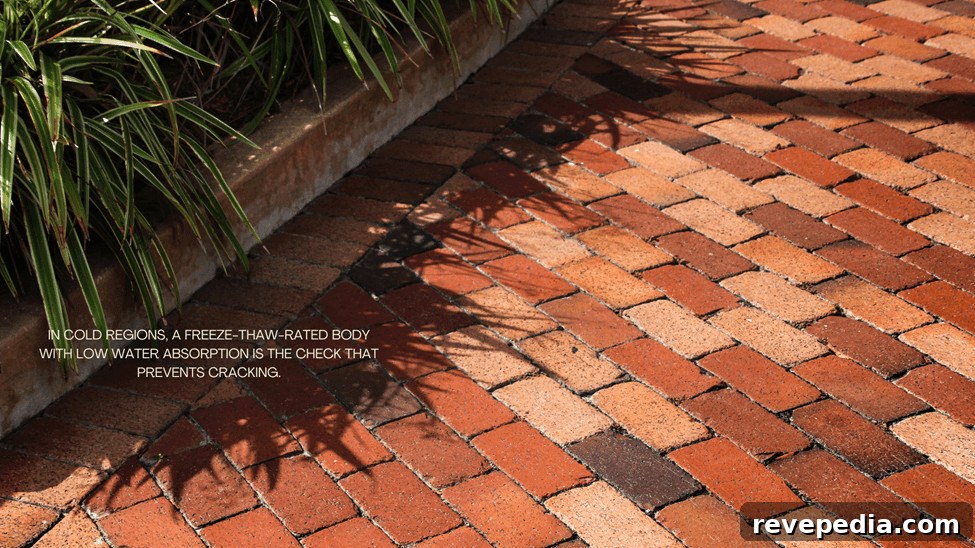
The top priority is whether a tile can survive your winters. Water penetrates a tile’s body and, in freezing climates, that water freezes and expands. Repeated freeze-thaw cycles will break down tiles that absorb too much water, eventually causing cracks and spalling. Look for tiles labeled freeze-thaw rated or frost-proof—these usually have a very dense body and very low water absorption. In warm, frost-free regions this is less critical, but in climates with freezing temperatures it’s the single most important factor to avoid a shattered patio after a few winters.
Always confirm the freeze-thaw rating on the product spec sheet rather than assuming. A label that simply says “outdoor” does not guarantee freeze-thaw testing.
How slip-resistant is it when wet?
Outdoor surfaces are exposed to rain, splashes, and bare feet, so traction is essential. Slip resistance is measured by the Dynamic Coefficient of Friction (DCOF). For wet areas, prefer tiles with higher traction: textured surfaces, matte finishes, or purpose-made anti-slip options rather than shiny, polished tiles. This is especially important around pools, steps, and entryways. As households age, fall risk becomes a bigger concern, so choosing a tile with a verified DCOF and having sensitive installations assessed by a qualified installer are smart safety steps.
Will the color and surface hold up to sun and heat?
Full sun and heat are tough on outdoor finishes. UV exposure will fade pigments that aren’t UV-stable, and dark surfaces can become uncomfortably hot underfoot. Tiles with fired-in glazes or through-body color generally resist fading much better than dyed or surface-coated products. Remember that outdoor materials will change with weather and time; choosing a UV-stable, exterior-rated tile helps ensure those changes are gradual and attractive rather than disappointing.
What will be beneath the tile?
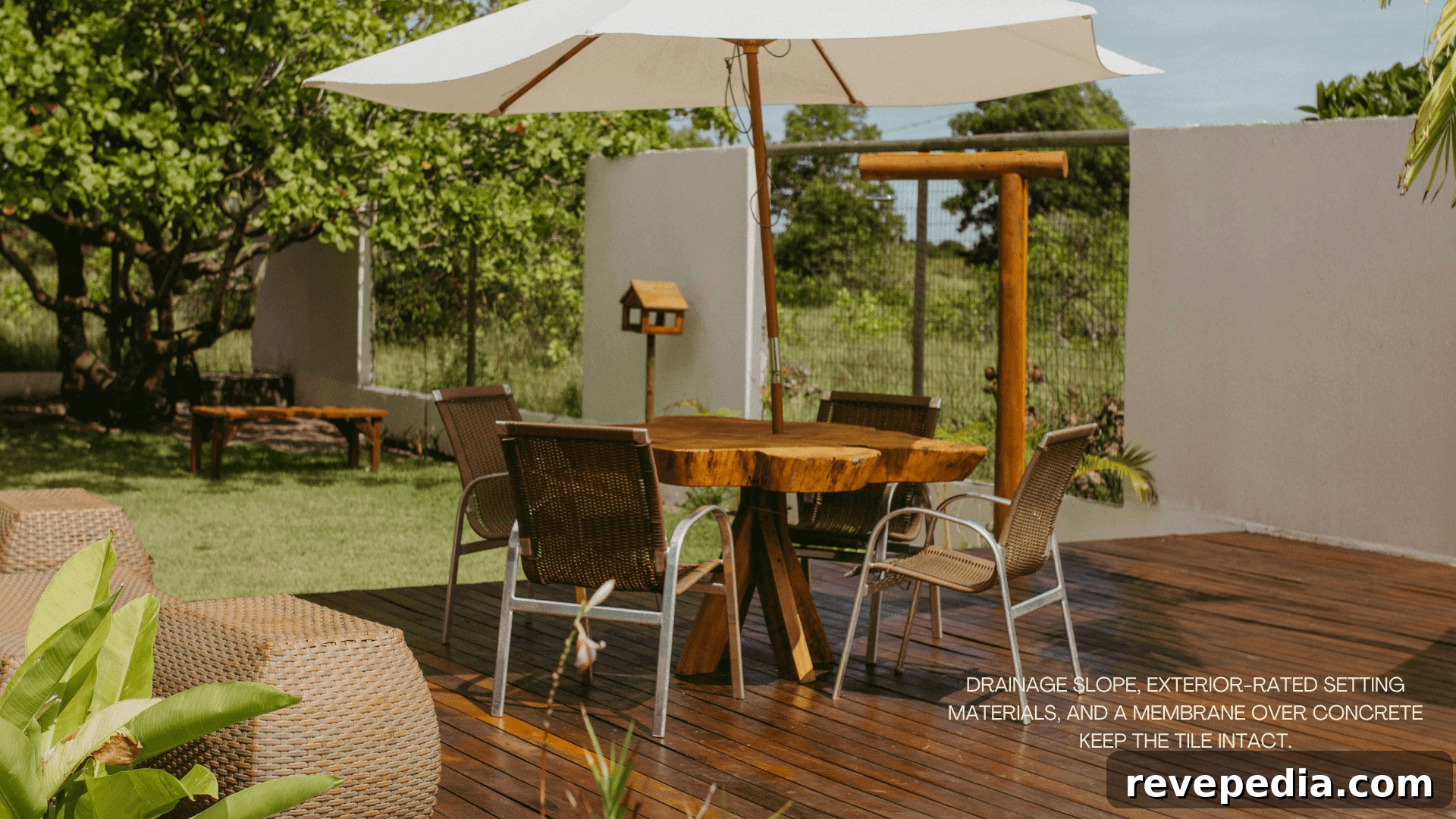
Even the best tile will fail if the substrate is wrong. A durable patio requires a stable, level base, a slight slope for drainage (commonly around one to two percent) so water runs off instead of pooling, and setting materials rated for exterior use. If you’re tiling over an existing concrete slab, it must be sound, clean, and often fitted with a crack-isolation or decoupling membrane so seasonal movement doesn’t telegraph through the tile. The same climate-first, foundation-first thinking that applies to building a durable outdoor deck should guide the work beneath any tiled patio.
Does the tile suit how you will actually use the patio?
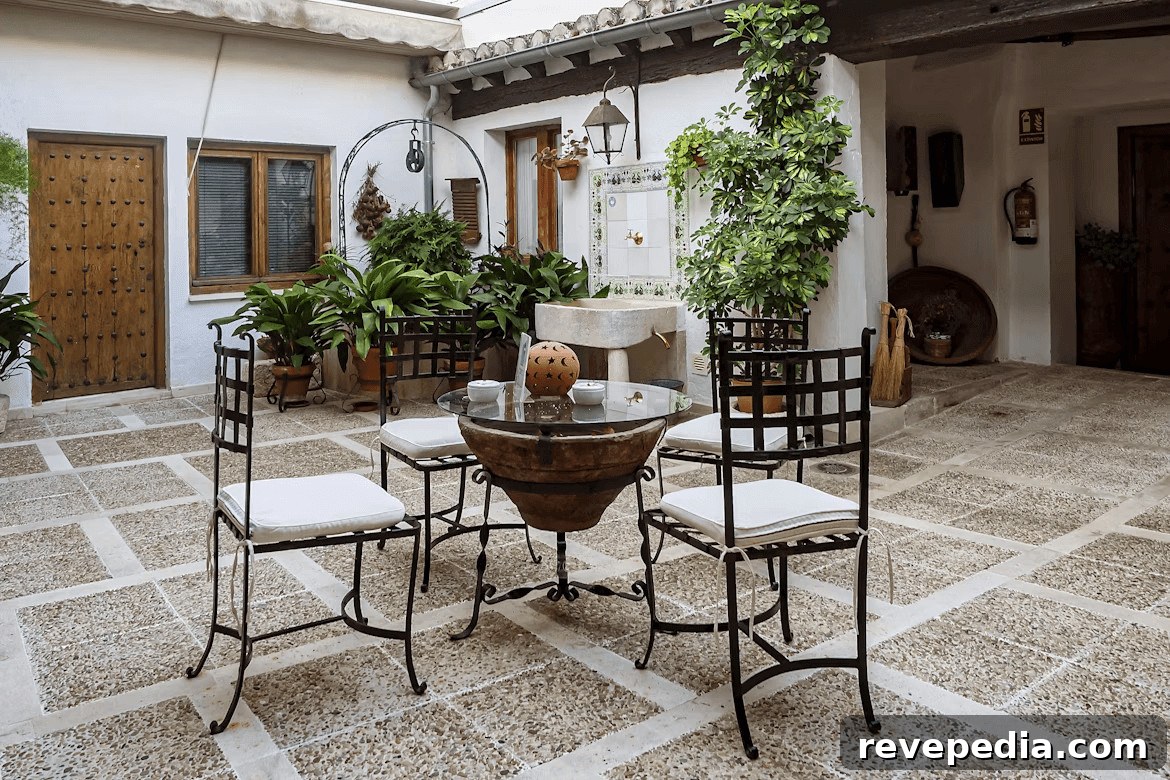
Match the tile to the life of the space. A high-traffic entertaining patio, a quiet reading nook, and a pool surround all demand different qualities in durability, traction, and tile size. Consider how the patio connects to the home: repeating a tone or material across a threshold helps the outdoor room read as part of the house rather than an isolated slab. Choose for real use, not just for the showroom photo, and the patio will remain useful and attractive for years.
Have you checked samples, sealing needs, and lead times?
Handle the practical details before you place an order. Always request physical samples and view them outdoors in natural light, next to existing materials, because handmade and natural tiles can vary in tone and texture. Ask whether the tile requires sealing—porous materials like terracotta and cement generally need sealing at installation and periodic resealing afterward. Also confirm lead times early: artisan, custom, or made-to-order outdoor tiles can take weeks to arrive, which is easy to underestimate in a project schedule.
The short version
Before you buy for looks alone, run this checklist: confirm the freeze-thaw rating for your climate, verify the wet DCOF for traction, ensure color and surface are UV-stable, plan a proper substrate and drainage, match the tile to how the space will be used, and sort samples, sealing requirements, and lead times. Get those elements right, and the tile you love on day one will still be the tile you love several seasons from now.