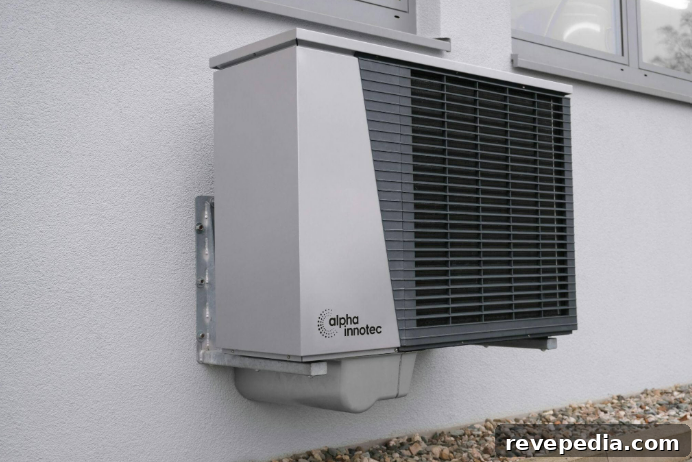
Searching for “reliable heat pump installation Raleigh, NC” can feel overwhelming—so many options and little clarity about which provider is best. This guide explains what to expect when arranging heat pump installation in Raleigh, helping you compare costs, timing, and what should be included in a fair quote.
Seasonal demand affects pricing: HVAC services often cost more during peak seasons, so planning ahead can save you money and reduce wait times.
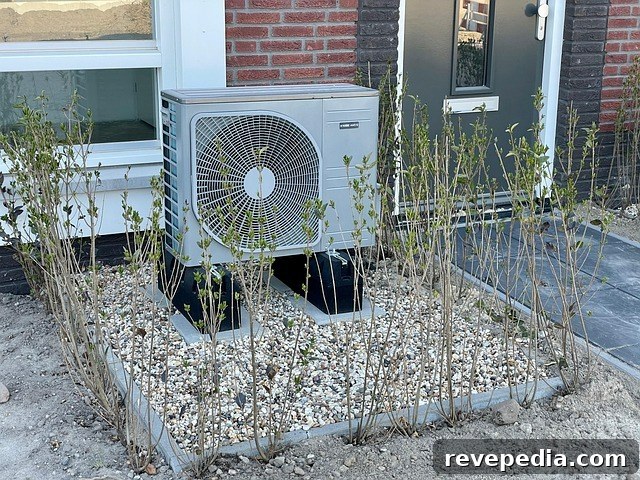
Average Heat Pump Installation Cost in Raleigh
In Raleigh, NC, installation costs vary depending on multiple factors: labor rates, system type, equipment features, and any additional work required. Understanding these categories helps you evaluate quotes and choose the best value for your home.
The primary driver of price is the system itself. More advanced models with higher efficiency ratings or smart-home integration will raise the overall cost, while basic units cost less to purchase but may be more expensive to operate over time.
Entry-level systems
Basic heat pump systems suitable for apartments or smaller homes typically range from $4,000 to $6,500. These units provide essential heating and cooling functions but lack advanced controls, variable-speed compressors, or extensive smart features.
Mid-range systems
Mid-range systems, common in many single-family homes, usually cost between $6,500 and $9,000. They often include better efficiency, improved components, and some convenience features that can lower operating costs compared to entry-level models.
High-efficiency systems
High-efficiency models prioritize energy savings and performance. These systems may include variable-speed compressors, enhanced defrost cycles, and seamless smart-home integration. While more expensive up front, they can reduce utility bills and improve comfort.
How Demand Season Pushes Prices Up
Heat pump installation pricing in Raleigh responds to supply and demand. When demand surges—during extreme weather or peak seasons—labor availability tightens and prices tend to rise. Knowing seasonal patterns helps you pick the best time to schedule installation.
Summer
Hot weather increases service requests for air conditioning and cooling issues. Companies may prioritize emergency repairs, making routine installations harder to schedule and sometimes more expensive due to higher demand for technicians and parts.
Winter
Cold weather drives heating-related calls. Technicians face higher workloads and limited availability, which can increase installation costs and lead to longer lead times for non-emergency work.
Emergency
After-hours, weekend, or emergency service often carries additional fees. Ask potential contractors about their emergency and weekend rates up front so there are no surprises if you need expedited service.
New systems
When new models arrive in limited supply, homeowners who need immediate installation may face higher prices. If timing is flexible, waiting for regular stock can avoid premium charges.
The Cheapest Time of Year to Install a Heat Pump
If your schedule allows, choosing the right season can lower your installation cost. Contractors are typically less busy in transition seasons, which can translate into better availability and occasional discounts.
Spring
Spring is often a quieter period for HVAC professionals. Installing in spring lets you prepare for summer cooling needs and can result in lower labor costs and faster scheduling.
Autumn
Autumn is another favorable time to schedule installations. With many homeowners not yet using heating or cooling heavily, contractors may offer off-season pricing or bundled service packages to balance workload through the year.
Membership program
Many contractors offer membership or maintenance plans that lock in service rates year-round and include regular tune-ups. These plans can provide price stability and priority scheduling, but confirm what services are covered and whether there are limits on appointment timing.
What’s Included in a Fair Installation Quote
A fair, transparent installation quote should clearly list costs and responsibilities so you can compare offers confidently. Reliable providers deliver detailed, upfront estimates with no hidden fees.
System details
The quote should identify the brand, model, capacity (size), and efficiency ratings of the proposed system, plus any optional add-ons. This lets you compare apples-to-apples between different offers and understand long-term performance expectations.
Labor
Labor charges should be itemized, including estimated hours, hourly rates, and any additional callout fees for weekends or after-hours work. A clear labor breakdown prevents unexpected charges on the final invoice.
Permits
A responsible contractor will handle permit applications and ensure the installation meets local codes and regulations. Permit fees and any associated inspection costs should be included or clearly stated in the quote.
In Conclusion
Understanding typical price ranges, seasonal influences, and what a complete quote should include helps you avoid overpaying and choose a trustworthy HVAC provider for a Raleigh, NC heat pump installation. Working with an established contractor provides peace of mind, proper permits, and professional installation that supports long-term reliability and efficiency.