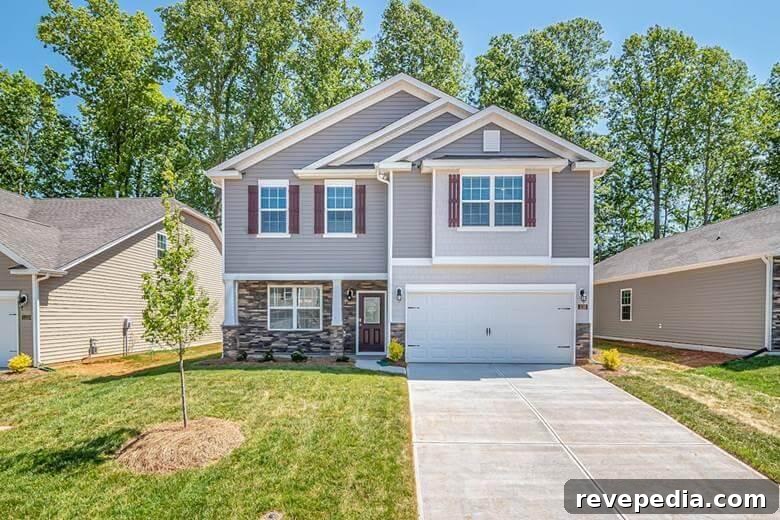
Step outside and you immediately sense a home that feels modern and calm. The exterior reads clearly: surfaces connect, lines guide the eye without interruption, and the whole composition feels ordered without resorting to dramatic gestures. Everything appears intentional, and that considered approach carries through the entire structure.
This direction in contemporary updates begins with a focused design mindset. Materials are selected thoughtfully, transitions are kept clean, and every element supports the overall composition rather than calling attention to itself. The outcome is a cohesive home that presents itself as a unified form.
Refining Windows and Siding
The placement of windows and the choice of siding shape how the exterior comes together. Consistent window alignment and siding that reads continuously across planes give the façade a clear, legible structure. Careful spacing, proportion, and material continuity create surfaces that feel unified from edge to edge.
Remodels that emphasize these relationships refine how parts interact. A consistent siding pattern paired with well-aligned openings allows the exterior to feel composed without added ornament. The house reads as a single connected form, where each section contributes to a balanced, steady appearance.
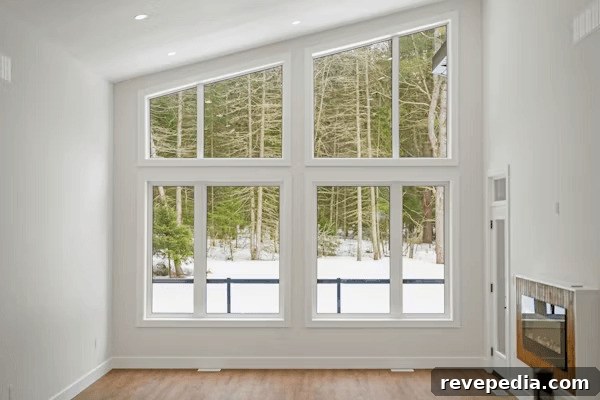
Letting Structure Lead the Design
When a home’s structure is clearly articulated, it becomes the primary visual language. Straight edges, well-proportioned volumes, and clean transitions provide direction and grounding. Each line guides the eye naturally, connecting one portion of the house to the next.
Allowing structure to take precedence makes the design feel deliberate. The form itself becomes the focus, giving the home a distinct identity that reads consistently from every vantage point.
Lower, Simpler Roof Profiles
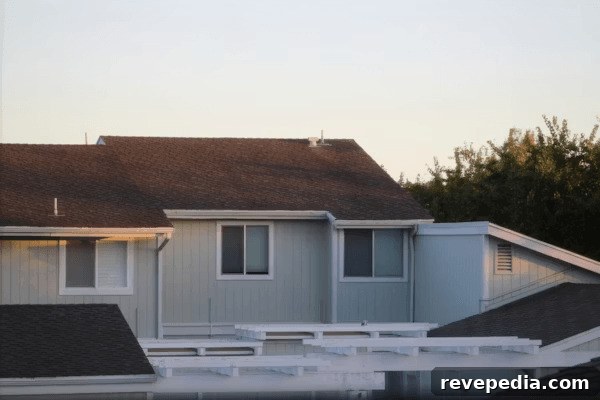
Rooflines significantly influence how a house relates to its surroundings. Lower, simpler profiles promote a horizontal flow that feels balanced and integrated. A restrained roof treatment supports the overall form without distracting from it.
This strategy produces a seamless transition between roof and walls, helping the home read as a complete, unified object.
Landscaping With Restraint
Thoughtful landscaping complements the home when plantings are deliberate and spacing is considered. A curated selection of species, clean edges, and intentional placement create an outdoor setting that feels orderly and connected to the architecture. Each element has room to breathe and contributes to a balanced composition.
This approach keeps the house at the center while integrating it with its surroundings. The exterior reads as a coherent environment where built and natural elements support one another.
Simplified Outdoor Layouts
Outdoor areas become more usable when their layouts are straightforward. Clearly defined zones for seating, circulation, and gathering establish a natural flow. Each part of the space serves a purpose that aligns with daily life, making the exterior feel like an extension of the home.
A simplified plan accommodates a variety of activities without constant reconfiguration. The area feels prepared and accessible, encouraging regular use throughout the day.
Using Color with Intent
Color choices strongly influence perception of the exterior. A restrained, cohesive palette enables the structure and materials to take center stage. When tones remain within a thoughtful range, the home achieves a smooth visual flow that’s easy to appreciate from any angle.
This restraint establishes visual balance across the façade. Surfaces relate naturally to one another, and transitions feel seamless. Color supports the design rather than competing with it, helping the home maintain a unified presence.
Allowing Surfaces to Breathe
Large, uninterrupted planes create an open, calm exterior. Walls that extend without frequent breaks form a continuous field, letting the eye move smoothly across the building.
These uninterrupted surfaces make the overall form easier to comprehend at a glance, contributing to a refined, grounded appearance.
Keeping Details Light and Intentional
Fixtures and hardware, though small, shape the overall impression. When these details are chosen with care and kept visually light, they support the composition rather than interrupt it. Thoughtful placement makes them part of the whole rather than focal points on their own.
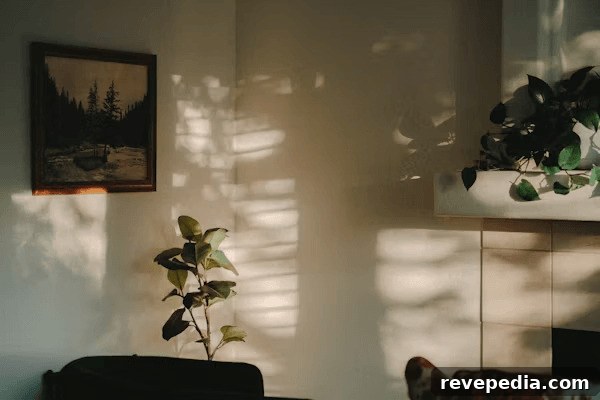
This level of restraint keeps the exterior cohesive. Each detail feels purposeful, contributing to a consistent visual language across the home.
Choosing Materials That Feel Grounded
Natural-finish materials lend a steady, authentic presence to the exterior. Wood grain, stone textures, and subtle composite finishes connect the house to its context and give it comfortable visual weight. These materials add depth through texture rather than contrast, creating rich surfaces without excess complexity.
This material approach yields an exterior that feels current and timeless at once, with character emerging from tactility rather than embellishment.
Selecting Outdoor Features with Purpose
Outdoor furniture and features work best when chosen for everyday use and aligned with the scale and tone of the exterior. Pieces selected to match the home’s proportions create an integrated setting rather than a separate vignette. Each addition enhances how the space is used and experienced.
The result is a natural extension of the interior: outdoor areas feel ready for routine use, with elements that fit the environment without adding visual weight. The exterior carries the same clarity and purpose as the house itself.
Blending Storage into the Design
Storage can be integrated into exterior design so the overall look remains clean and uninterrupted. Built-in solutions, concealed storage, and strategic placement keep essential items accessible while maintaining the visual integrity of the façade.
This considered approach supports both function and aesthetics. The home feels organized, with every element accounted for within the design.
Simplicity at the exterior shapes how a home is perceived at first glance. From material choices to layout, each decision contributes to a cohesive presence that feels steady and intentional. The design projects quiet confidence that comes from alignment and restraint rather than excess.