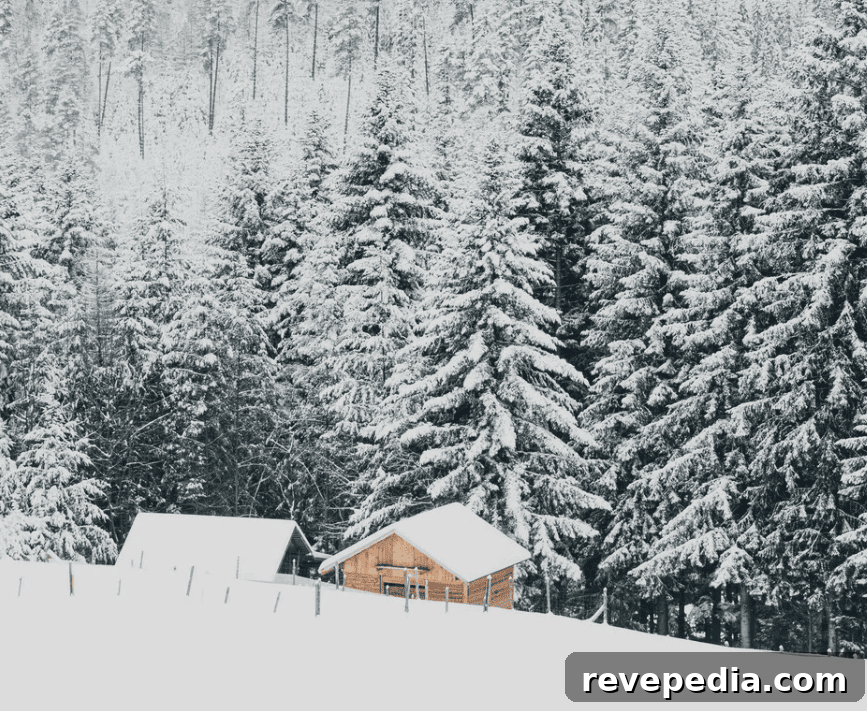
Homes on the Canadian Prairies endure extreme seasonal temperature swings, often ranging from about -30°C in winter to +30°C in summer. In areas such as the Bow Valley, maintaining year-round comfort and controlling energy costs depends largely on the thermal performance of the building envelope, with windows playing a critical role.
Homeowners planning upgrades should work with experienced local providers to ensure products and installation meet regional demands. Modern window systems frequently use advanced spacer technologies and multi-chamber uPVC frames to reduce thermal bridging, a major source of heat loss. Upgrading these components can lower the load on HVAC systems and improve overall energy efficiency during long, cold winters and warm summers alike.
Proper window replacement must also account for high winds, frequent Chinook events, and applicable building codes. Before installation begins, a thorough inspection of rough openings, flashing, and vapor barriers is essential to guarantee correct fit, effective sealing, and long-term performance.
High-performance glazing options often feature Low-E coatings—thin metallic layers that reflect interior heat back into the home while still admitting natural light. Selecting quality materials and ensuring professional installation helps prevent common failures such as seal breakdown and ensures the unit maintains airtight and insulating properties over time.
Accurate Technical Information About Triple-Pane Glazing and Inert Gas Insulation
High-efficiency windows depend on multiple components working together to improve insulation. Triple-pane glazing has become increasingly common for new construction and major renovations in cold climates because it offers improved thermal resistance compared with double-pane units.
Triple-pane windows contain three glass lites and two sealed cavities filled with inert gases such as argon or krypton. These gases reduce convective and conductive heat transfer, raising the overall insulating value (R-value) of the unit. Properly manufactured and installed units retain gas fill and preserve performance over decades.
Seal integrity between panes is crucial: a durable edge seal prevents gas leakage and moisture ingress, maintaining thermal and acoustic benefits. Besides improved insulation, triple-pane systems typically provide better sound attenuation, helping reduce noise from wind, traffic, and other outdoor sources.
How to Strengthen Surfaces and Extend Frame Lifespan
Window frames must resist continuous exposure to UV radiation, wind-driven snow, moisture, and wide temperature swings. uPVC frames are widely used in cold climates because they resist warping, cracking, and fading while providing low maintenance and good thermal performance.
Many contemporary frames are produced with fusion-welded corners, which create a continuous, airtight joint stronger than mechanically fastened corners. This construction reduces air infiltration and increases structural durability under seasonal stress.
When selecting frame materials and finishes, prioritize:
- UV-resistant finishes that retain color and surface quality over time
- Reinforced frame construction to withstand wind loads and handling
- Weather-resistant components that tolerate long-term exposure to moisture and temperature extremes
Choosing appropriate frame systems and protective finishes helps preserve both performance and appearance, particularly in demanding climates like Calgary and other Prairie regions.
Planning and Organizing a 2026 Installation
Correct installation is as important as selecting the right materials. A staged, well-coordinated installation protects indoor comfort and limits exposure to outdoor elements during the upgrade process.
Professional installation teams typically follow a structured workflow that includes:
- Removing old units in sections rather than all at once to maintain building integrity
- Installing and sealing new units immediately to prevent drafts and water intrusion
- Minimizing open-wall exposure and protecting interiors during work
Using high-quality sealants and flashing materials—such as ASTM-rated acrylic bonding products and proven vapor-retarder techniques—improves long-term thermal performance compared with basic rubber gaskets alone. These adhesives and sealants offer enhanced adhesion and durability when exposed to repeated freeze-thaw cycles and temperature extremes.
Careful staging and coordination reduce disruption, maintain occupant comfort, and ensure the new windows deliver the expected improvements in heating and cooling efficiency.
Future Trends: Smart Glass and Digital Thermal Monitoring
Window technology continues to evolve with the integration of smart features and digital monitoring. Newer systems can include sensors that monitor air leakage, temperature differentials, and overall thermal performance in real time.
These systems give homeowners and building managers the ability to:
- Monitor energy use and efficiency more accurately
- Detect performance degradation or seal failures early
- Make data-driven adjustments to ventilation, shading, and HVAC setpoints
As smart glass technologies and digital monitoring become more accessible, they will increasingly influence how residential building envelopes are designed, maintained, and optimized. The outcome is a more resilient, efficient, and responsive enclosure that sustains comfort and reduces long-term operating costs.