
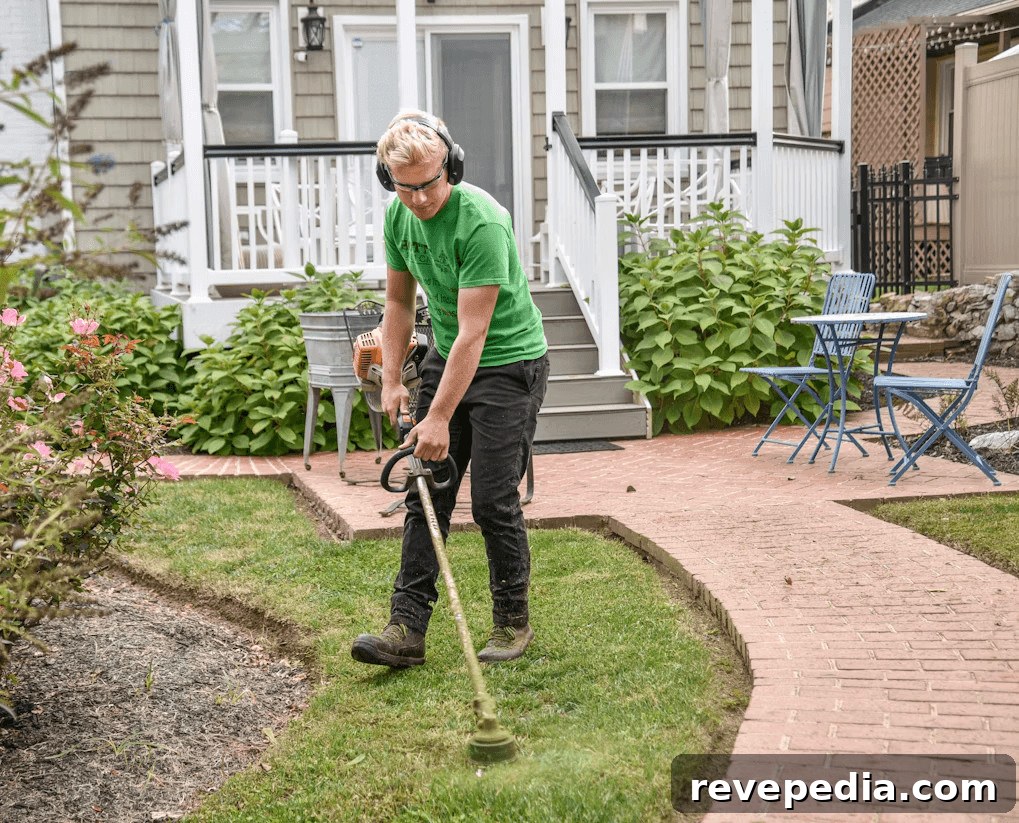
A yard requires attention year‑round, and tasks rarely arrive one at a time. Lawns need mowing while drainage problems demand repair, and a leaning fence may only become urgent after a storm. A sensible plan helps you prioritize, budget, and schedule work so you know what to do now and what can wait.
Begin with a thorough walk of the property before you make a list. Observe how water moves after rain, look for thinning or bare patches of grass, note overgrown trees and shrubs, and check irrigation zones for weak coverage. Inspect fences, gates, walkways, patios, and any areas where soil has settled or eroded.
Organize observations into two groups: repairs and upgrades. Always prioritize repairs. A low spot that collects water should be corrected before installing new sod, because fresh turf will fail in the same location unless the underlying drainage or grading is fixed. Address drainage, grading, and hazardous tree work before planting or decorative projects—money spent on structural fixes protects everything you add later.
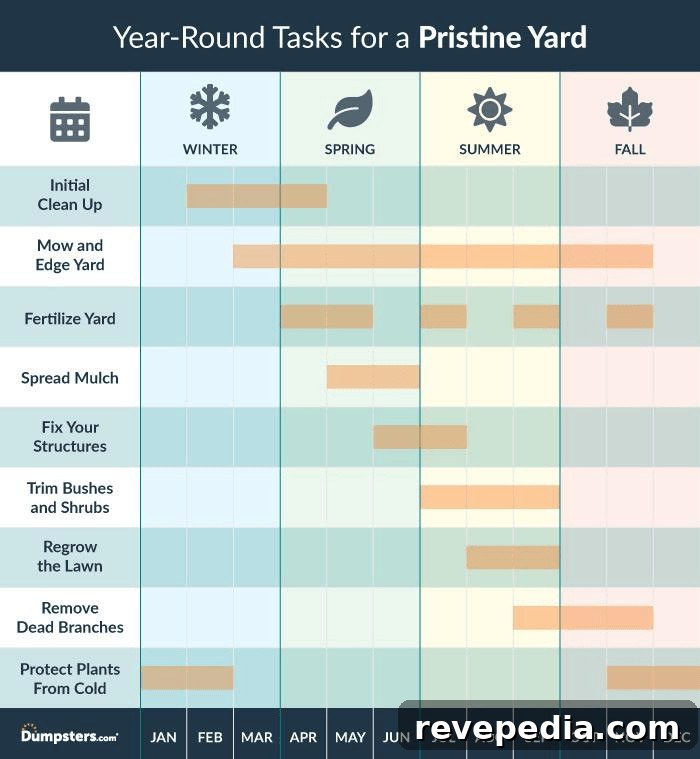
Write every job down together with a rough cost estimate and the season when you plan to do it. This becomes your yard plan: a simple roadmap that helps you say no to impulse purchases and avoid last‑minute scrambling.
Set a Realistic Budget With a Contingency
Price jobs comprehensively: materials, equipment rental, delivery fees, disposal of old material, and any paid labor. Rank tasks by urgency—safety and water‑related problems first, then lawn health, and then curb appeal. Add a contingency—10–20% depending on the project mix—to cover unexpected repairs like a broken sprinkler valve or a storm‑damaged tree. Unplanned issues happen, and having a cushion prevents a small problem from escalating into a costly emergency.
Spring: Groundwork, Drainage, and Prep
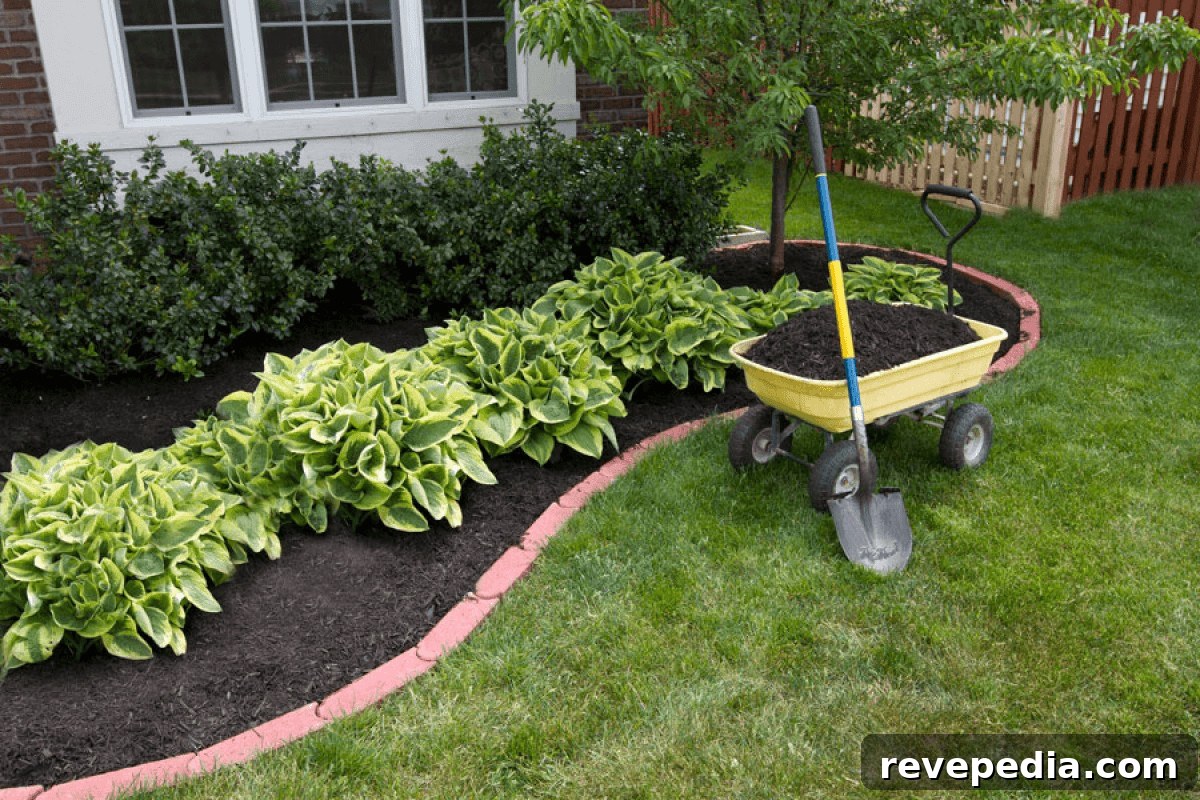
Spring’s mild weather is ideal for foundational work. Fix drainage issues, regrade low spots, and seed bare areas while the soil remains moist. Feed the lawn as growth begins and apply pre‑emergent weed control if crabgrass has been an ongoing issue—always follow product labels. Refresh mulch around trees and beds to retain moisture through the warmer months.
Spring is also the time to get equipment ready: sharpen mower blades, change oil and spark plugs on gas engines, test trimmers and blowers, and charge or service batteries. A half‑day tune‑up can prevent a breakdown during the busiest time of the season.
Summer: Routine Maintenance and Monitoring
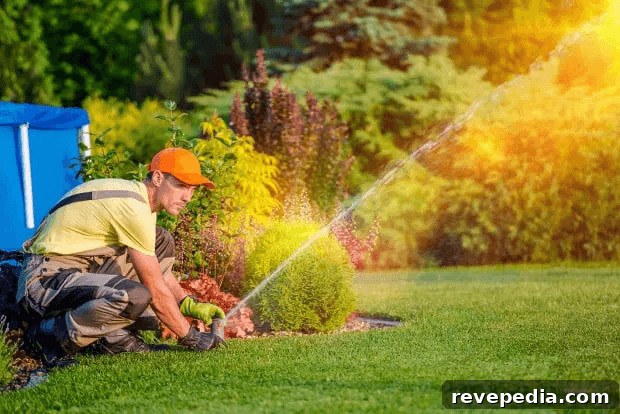
When grass grows quickly, maintenance becomes a weekly rhythm. Mow regularly, water early in the morning, edge beds and borders, and remove weeds before they set seed. Check sprinkler heads for clogs and misalignment at the start of the season. Water deeply and infrequently so roots grow downward and the lawn tolerates dry stretches better. During heat waves, raise mower height so taller grass shades the soil and reduces moisture loss.
Allow flexibility in your schedule: intense heat, heavy rain, or windstorms can undo a week of work in an afternoon, and cleanup may take priority.
Consider Automating Repetitive Tasks
Repetitive chores are good candidates for automation. Mowing is the largest repeating task; a robotic mower can run on a schedule and free up time for hands‑on projects like fencing or planting beds. If you evaluate a robotic mower, confirm coverage area, terrain handling, docking and charging needs, and whether it requires physical boundary wires or supports virtual boundaries. Match features to your yard’s size and layout before purchasing.

Robotic mowers vary by model—look for recommended lawn size, slope limits, and app or signal requirements. Choose a unit that fits your property and maintenance goals so automation truly saves time.
Fall: Cleanup, Soil Care, and Smart Purchases
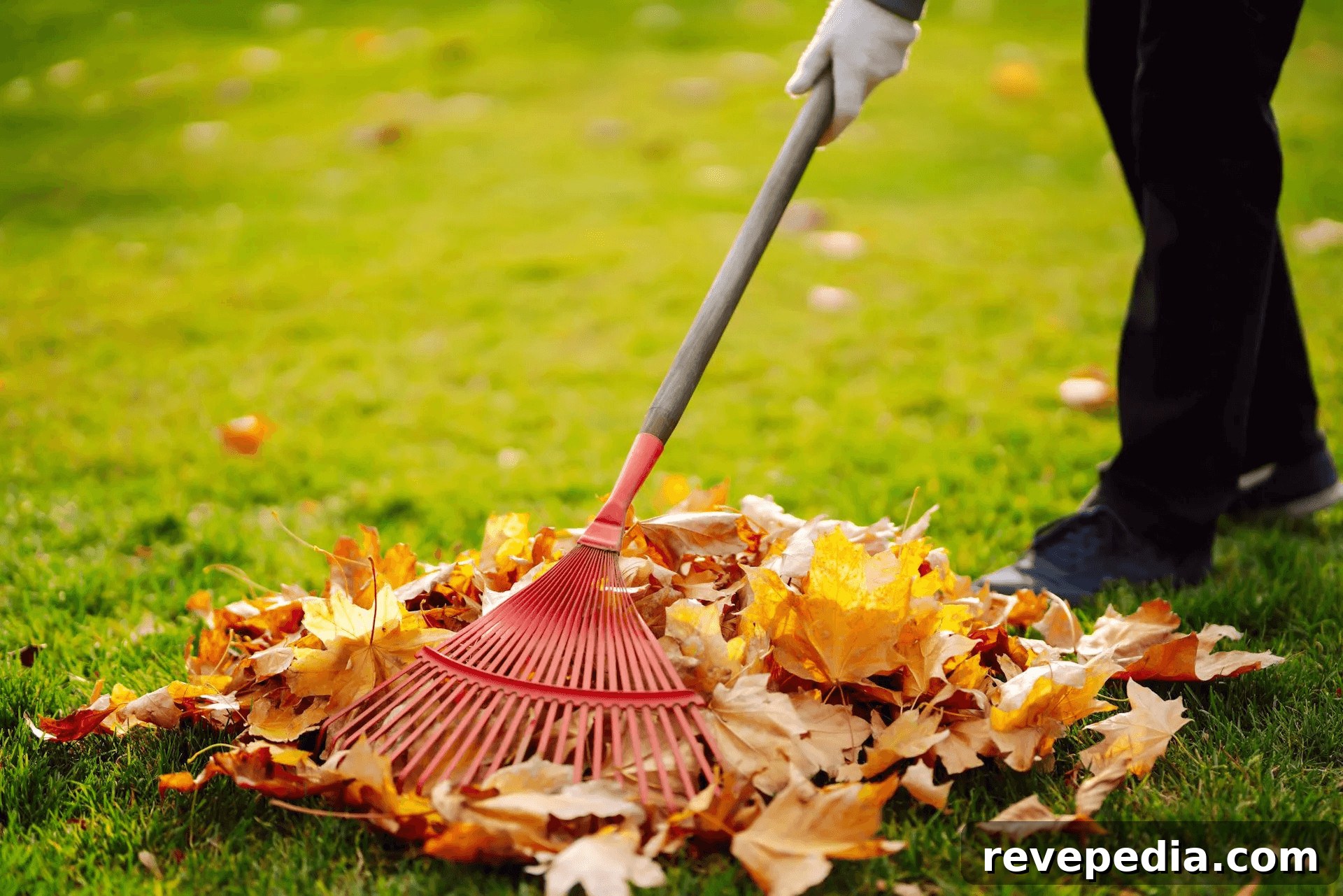
Falling leaves can smother grass, so clear them regularly or mulch them with the mower to return nutrients to the soil. Clean gutters and downspouts after leaves fall; clogged gutters divert water toward foundations and low spots in the yard. Core aeration in early fall relieves compacted soil, particularly in heavily trafficked areas, and overseeding immediately afterward increases seed‑to‑soil contact. Apply a fall fertilizer before the ground cools to support winter root growth.
Retailers often discount outdoor tools and furniture in autumn; if you have storage space, consider buying off‑season to save. Before the first freeze, drain hoses, shut off exterior water lines, and store equipment clean and dry.
Winter: Service, Planning, and Review
With outdoor activity slowed by cold, winter is the best time to service equipment—sharpen blades, replace worn parts, and arrange repairs before shops fill in spring. Collect estimates and schedule larger projects like fencing, major regrading, or hardscape work while contractors typically have more availability.
Use the downtime to review the year: tally actual costs for materials, equipment, and paid labor and compare them against your plan. If repairs gobbled more of the budget than expected, shift lower‑priority upgrades to the following year. This annual review improves future planning and helps you build a more accurate contingency.
Maintain a Simple Yard Tracker
A spreadsheet is ideal for keeping track. List each project with priority level, estimated cost, target season, amount paid, and next step. Record committed costs you haven’t yet paid so your available funds reflect booked work. Take photos of each area at the start of the year to document baseline conditions; seasonal snapshots make progress and problem spots easy to compare.
Review your tracker after each season and before major purchases. Success looks like a healthy lawn, functioning drainage, well‑maintained equipment, and a budget that carries you into the next year. Include postponed items in the plan so they don’t get forgotten—delaying work intentionally is part of good yard management when it helps you protect the most important investments first.