
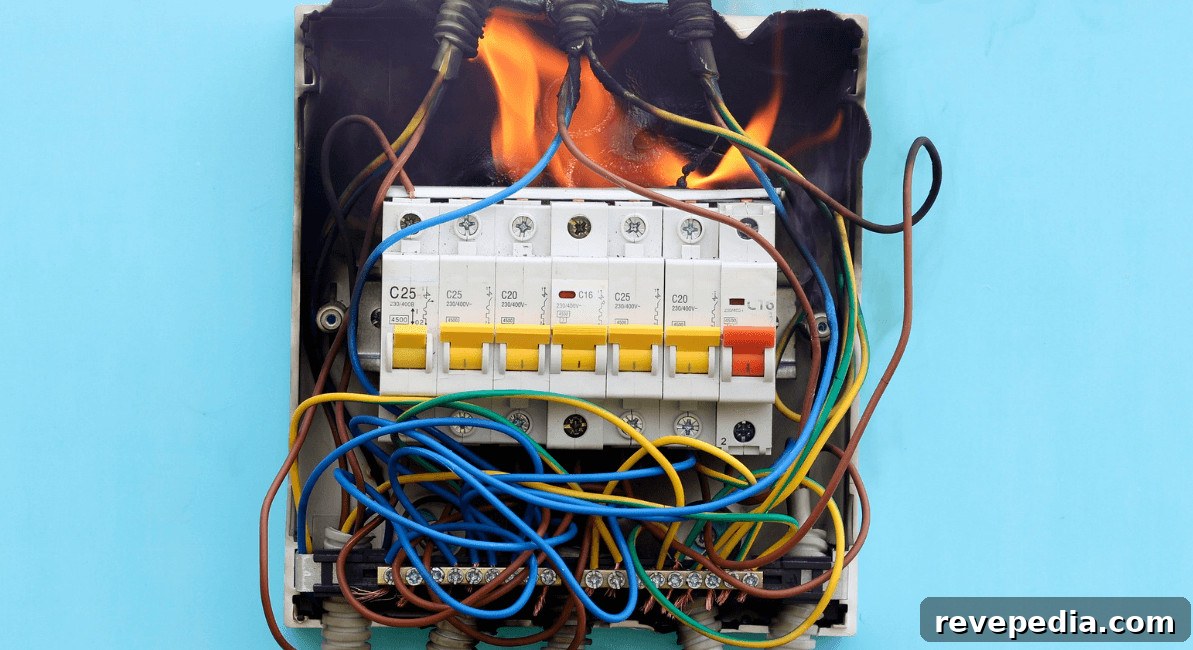
Not every electrical issue that feels urgent is a true emergency, but some problems should never be delayed. Homeowners across the Gold Coast—and elsewhere—should be alert to clear warning signs such as burning smells, visible sparking, exposed wiring, or electrical equipment that has been affected by water. Recognising those signs and acting promptly can prevent fire, injury, and costly damage.
Having spent time on the Gold Coast, I’ve seen how local weather and coastal conditions shape everyday life. Still, the basic electrical hazards and how to respond to them are familiar in most regions. What differs are the local rules, licensing requirements, and the emergency services available. For Gold Coast homeowners, understanding which faults require immediate professional help and which can wait until normal business hours helps avoid unnecessary after-hours callouts while ensuring genuine hazards are not ignored.
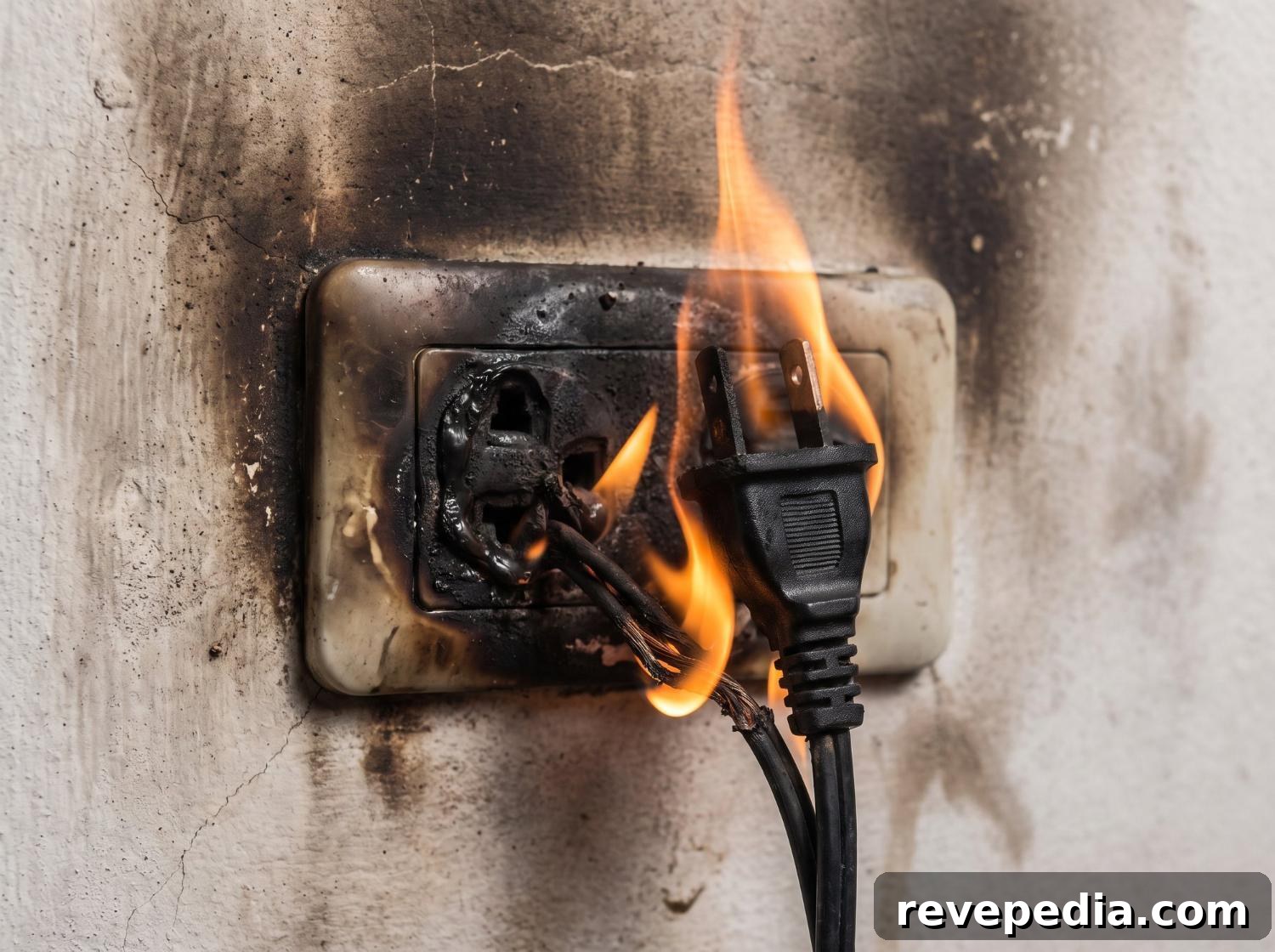
Image by user18366109 on Magnific
What Counts as a Genuine Electrical Emergency
Certain situations always merit immediate professional attention. A burning or acrid smell coming from a power point, switchboard, light fitting, or any electrical appliance is a strong indicator of overheating or a fault that could lead to fire. In such cases, stop using the affected circuit or appliance and contact a licensed emergency electrician rather than waiting to see if the smell disappears.
Visible sparking, arcing, or repeated short sparks from an outlet, switch, or switchboard should be treated as an emergency. These symptoms generate heat and can ignite surrounding materials. Exposed wiring after storm damage, impact, or flooding is equally dangerous—contact with water or structural damage can energise wiring and present a severe risk of shock or electrocution.
A total loss of power can also signal an urgent problem when neighbouring properties still have electricity and there is no obvious reason at the switchboard. In that case, professional diagnosis is needed to locate the fault and confirm whether it poses an immediate safety risk. On the Gold Coast, an emergency electrician is appropriate if the fault cannot be safely isolated or if it creates an immediate threat to people or property.
Problems That May Be Urgent but Can Often Wait
Not every inconvenient electrical issue requires an after-hours emergency call. If there are no signs of overheating, burning smells, sparking, exposed wiring, or water intrusion, some faults can be assessed during normal business hours. Examples include a single power point that has stopped working or an outdoor light that fails to operate overnight—these are inconvenient but not necessarily dangerous.
However, repeated tripping of circuits or unexplained faults should not be ignored. If a circuit breaker trips multiple times or resets repeatedly without a clear cause, that indicates an underlying problem that requires prompt professional assessment. When in doubt, avoid using the affected circuit or appliance and seek guidance from a licensed electrician.
Queensland Regulations and the Importance of Licensed Work
Warning signs of electrical danger are universal, but legal and regulatory requirements are location-specific. On the Gold Coast, Queensland’s electrical safety laws set out who may perform electrical work and how risks must be managed. Homeowners should not attempt regulated electrical repairs themselves. Work that falls under regulated electrical tasks must be completed by an appropriately licensed electrician.
During an emergency, the safest course is to keep clear of damaged electrical components, avoid makeshift fixes, and call a licensed professional. Equipment that has been affected by flooding, a fire, or severe impact should not be assumed safe once the immediate incident ends—the installation needs inspection and possibly replacement by a qualified tradesperson.
How Emergency Electricians Handle Fault Calls
When an emergency electrician attends a Gold Coast property after hours, their first priority is making the scene safe. Responses differ depending on the presentation: a burning smell or visible arcing requires isolating the hazard, while a straightforward power loss may involve sequential testing to locate the fault.
After securing immediate safety—often by isolating the affected circuit—the electrician will investigate the root cause. The goal is not simply to restore power but to ensure it is safe to do so. If a circuit has a known unresolved fault, temporarily restoring power without addressing the cause could leave occupants at risk. Emergency work frequently focuses on stabilising the situation, with further repairs scheduled to fully resolve the fault.
After the Emergency: Follow-up and Prevention
Once the immediate danger is controlled, it’s important to identify and address the underlying cause. An older property may reveal deteriorating wiring, a degraded switchboard, or inadequate protective devices that need replacement or upgrade. Recurrent tripping circuits, malfunctioning residual current devices (RCDs), or protective devices that fail tests should be inspected and repaired by a licensed electrician rather than ignored.
Emergency response aims first to make the property safe. Follow-up inspections and repairs reduce the chance of a repeat incident and help protect people and property in the long term. While exact licensing and safety requirements are specific to Queensland, the general approach applies broadly: take burning smells, sparking, exposed wiring, and water around electrical equipment seriously, don’t attempt complex electrical repairs yourself, and contact a licensed professional whenever you are unsure about safety.