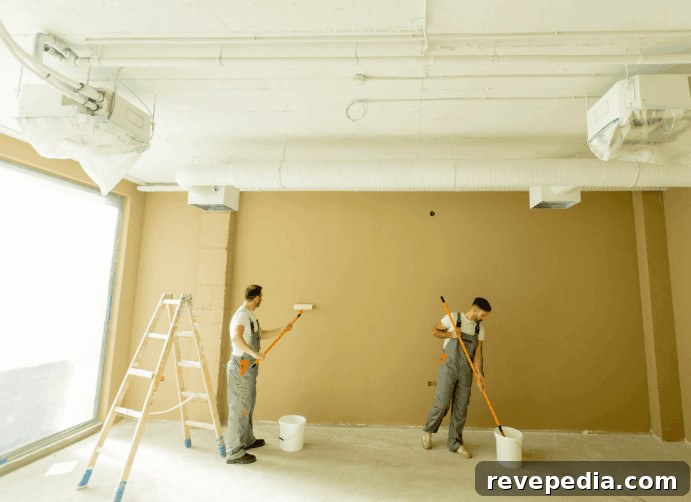
Commercial properties face a challenge residential spaces rarely encounter: keeping a professional appearance amid heavy daily use while controlling renovation costs and minimizing disruption. Full replacement of fixtures, surfaces, or flooring is costly, time-consuming, and often unnecessary.
An increasing number of commercial property owners and facility managers are choosing surface restoration as a cost-effective strategy. In many cases, properly executed restoration delivers results that rival or exceed those of full replacement, while saving time and money.
The Cost Gap Between Restoration and Replacement
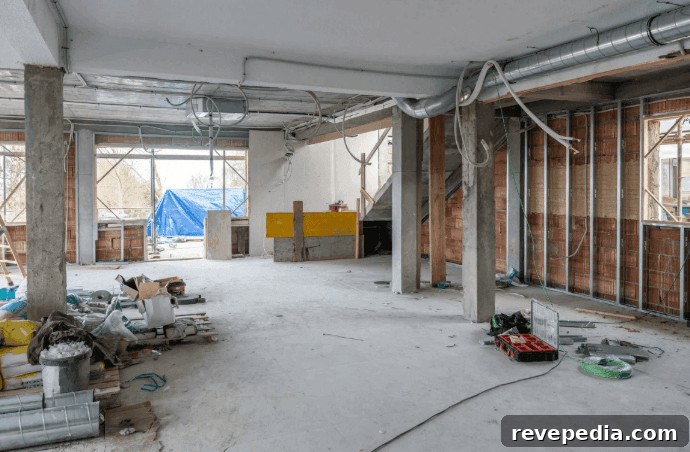
The economics of commercial surface restoration are compelling. Professional refinishing often costs 75–85% less than replacing the same fixture or surface. When that saving is multiplied across multiple units, rooms, or high-use surfaces in a commercial property, the cumulative financial benefit can be substantial.
Indirect savings add to the appeal. Replacement projects typically require demolition, disposal, procurement, and installation—processes that take spaces out of service. By contrast, refinishing projects are usually completed in hours rather than days and create minimal disruption for occupants or tenants.
What Commercial Refinishing Covers
Commercial refinishing services focus on the surfaces that show the most wear in business environments: bathtubs and shower surrounds in hotels and multifamily housing, countertops and vanities in offices and hospitality venues, tile in commercial kitchens and restrooms, and flooring in high-traffic corridors.
Each project includes careful surface preparation, application of durable coating systems engineered for commercial use, and a final quality inspection. Commercial-grade materials are formulated to resist common cleaning chemicals, withstand heavy traffic, and endure routine maintenance demands.
Multifamily and Hospitality Applications
Multifamily properties—apartment buildings, student housing, and extended-stay facilities—face continual turnover that creates frequent surface-restoration needs. Refinishing worn tubs, countertops, and tile between tenants is an effective cost-management tactic that preserves unit quality without the expense of full replacements.
Hospitality properties operate under similar pressures. Hotel fixtures receive intense daily use and must present well for each guest. Regular refinishing during renovation cycles keeps rooms looking fresh while avoiding the capital costs and downtime associated with replacement.
Planning for Minimal Operational Disruption
A major advantage of surface refinishing in commercial settings is scheduling flexibility. Work can be phased—completed unit by unit or section by section—so operations continue with little interruption.
Coordinating plans with facility management and notifying tenants or guests is straightforward when work is measured in hours per space rather than days. That flexibility makes refinishing easy to integrate into an active property’s maintenance calendar.
Long-Term Maintenance Considerations
Refinishing delivers the best long-term value when paired with appropriate maintenance. Cleaning crews should use non-abrasive cleaners on refinished surfaces, and staff should inspect surfaces regularly for small chips or wear so touch-ups can be made before issues expand.
Implementing a preventive maintenance schedule—addressing minor wear promptly rather than waiting for major deterioration—extends the life of each refinish and reduces the need for full retreatment.
Wrapping Up
Surface restoration is a practical strategy for commercial property owners who want to maintain a high-quality appearance without incurring the full costs of replacement. The financial savings are significant, operational disruption is minimal, and results are durable when followed by proper maintenance. For properties with aging surfaces, refinishing is often one of the most sensible facility management decisions.
Frequently Asked Questions
Is commercial refinishing durable enough for heavy-use environments?
Yes. Commercial refinishing uses higher-grade coating systems than typical residential applications and is formulated to handle the cleaning chemicals and traffic levels common in commercial properties. Durability depends on thorough surface preparation, correct application, and consistent maintenance.
How quickly can refinished surfaces be returned to service?
Most commercial refinishing systems require about 24 hours of cure time before normal use; some fast-cure products allow shorter timelines. Confirm the specific cure schedule with the contractor based on the products being applied.