
Storms do not affect every region equally, but many areas endure an annual storm season that can threaten homes and property. Homeowners who live where severe weather is common should take proactive steps to minimize storm-related damage.
Storm-resistant metal siding is one effective way to stormproof your home. If storms regularly challenge the safety of your house, it’s time to invest in essential upgrades. This guide explains practical measures you can take to create a home that stands up to even the toughest storm conditions.
What Types of Damage Do Severe Storms Cause?
If you’re new to a region with extreme weather, you may not yet recognize all the ways storms can damage a home. Common risks include debris and objects striking windows and siding, and moisture intrusion that can lead to rot and mold. High winds can damage roofing and siding, while hail can break windows, dent exterior materials, and cause costly repairs. Since each storm may present different hazards, it’s important to assemble a comprehensive storm-prevention plan tailored to the weather risks in your area.
How to Improve Your Home’s Storm Resilience
1. Storm-Resistant Siding
Installing storm-resistant siding is one of the most effective upgrades for homes facing high winds, hail, and heavy moisture. Impact-resistant siding can shield your home from flying debris and large hail and is often rated to withstand strong winds. Many storm-resistant products also offer enhanced moisture resistance, rot protection, and secure fastening systems that hold up under severe conditions.
Good choices for storm-prone areas include fiber cement siding, engineered wood, composite siding, impact-resistant vinyl, and metal siding. These materials provide a durable exterior envelope that reduces maintenance costs and lowers the risk of costly repairs after storms.
2. Storm Shutters
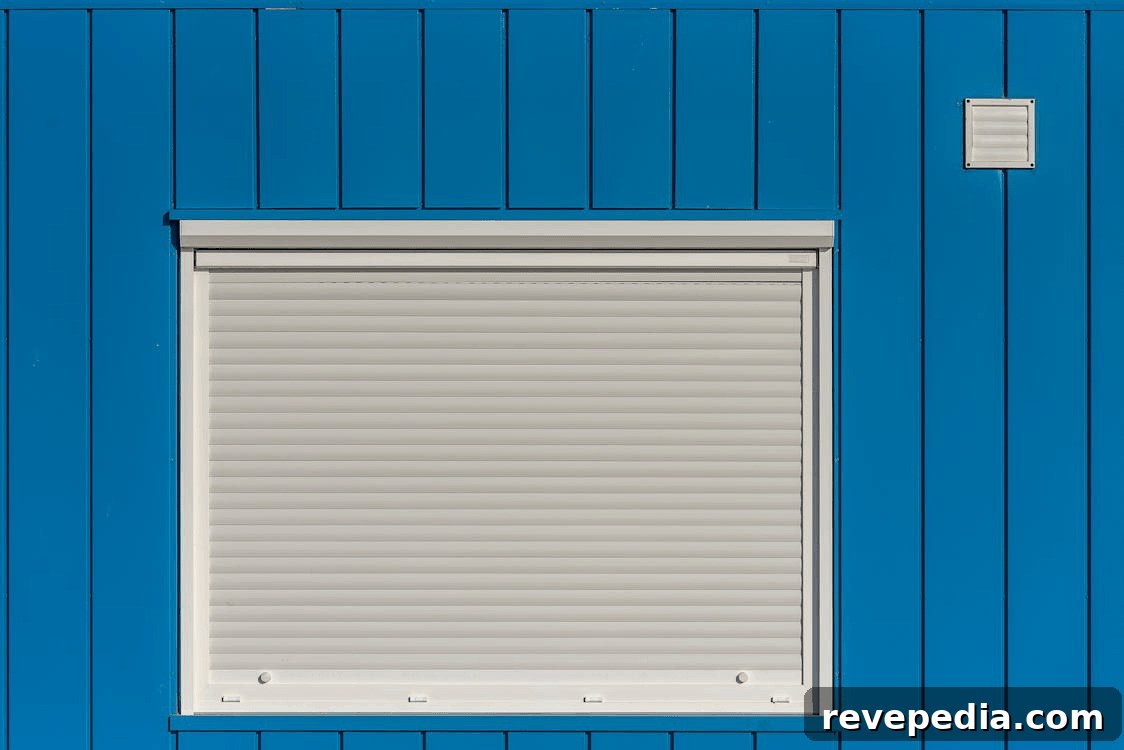
Storm shutters are designed to protect windows from breakage caused by hail, wind, and airborne debris. When windows fail during a storm, wind and water can rush into the interior, causing significant secondary damage; replacing windows can be expensive. For that reason, storm shutters are essential in regions with frequent severe weather.
Shutters come in multiple styles, including traditional panels, removable storm panels, accordion-style shutters, and roll-down systems. Many options deploy quickly and store neatly when not in use, offering a balance of convenience and curb appeal. Properly installed storm shutters provide a primary layer of protection for windows during severe weather.
3. Trim Trees and Maintain Landscaping
Homeowners often overlook the fact that trees, branches, and yard debris are frequent sources of storm damage. During high winds, limbs and other loose material can strike siding, windows, and roofs, causing damage that could have been prevented with routine maintenance.
Regularly trimming trees, removing dead branches, and keeping landscaping well-maintained reduces the risk of projectiles during storms. If you lack time or the necessary equipment, a professional landscaping service can perform periodic upkeep to keep your yard safe and confined.
4. Wind-Rated Garage Doors
Garage doors that are rated for high winds can reduce the chance of structural failure during a storm. A garage door that fails can allow pressurized wind into the home, increasing the risk of roof uplift and widespread damage. Strengthening the garage door helps protect the entire structure by maintaining the building envelope under severe conditions.
Investing in wind-rated garage doors is often cost-effective compared with the potential expense of repairing or replacing a damaged roof. If you’re weighing options, obtain quotes for both garage door upgrades and roof repairs to understand the cost-benefit of preventive measures.

Storm Protection Is Achievable with the Right Upgrades
Many homeowners in storm-prone regions maintain attractive, durable homes because they invest in appropriate protective measures. Preventing damage from flying debris, blocking moisture intrusion, and minimizing the risk of wind-related roof failure are achievable goals with a targeted approach.
Storm-resistant siding should be a top priority when planning upgrades; it offers broad protection for a home’s exterior and works well in combination with storm shutters, regular landscape maintenance, and wind-rated garage doors. Although these investments require upfront cost, they commonly pay for themselves by preventing repeated storm-related repairs and by preserving the value and safety of your home.
With thoughtful preparation and the right materials and installations, you can face storm season with greater confidence and far less stress. These improvements reduce the need to worry when severe weather approaches and help ensure your home weathers storms more reliably.