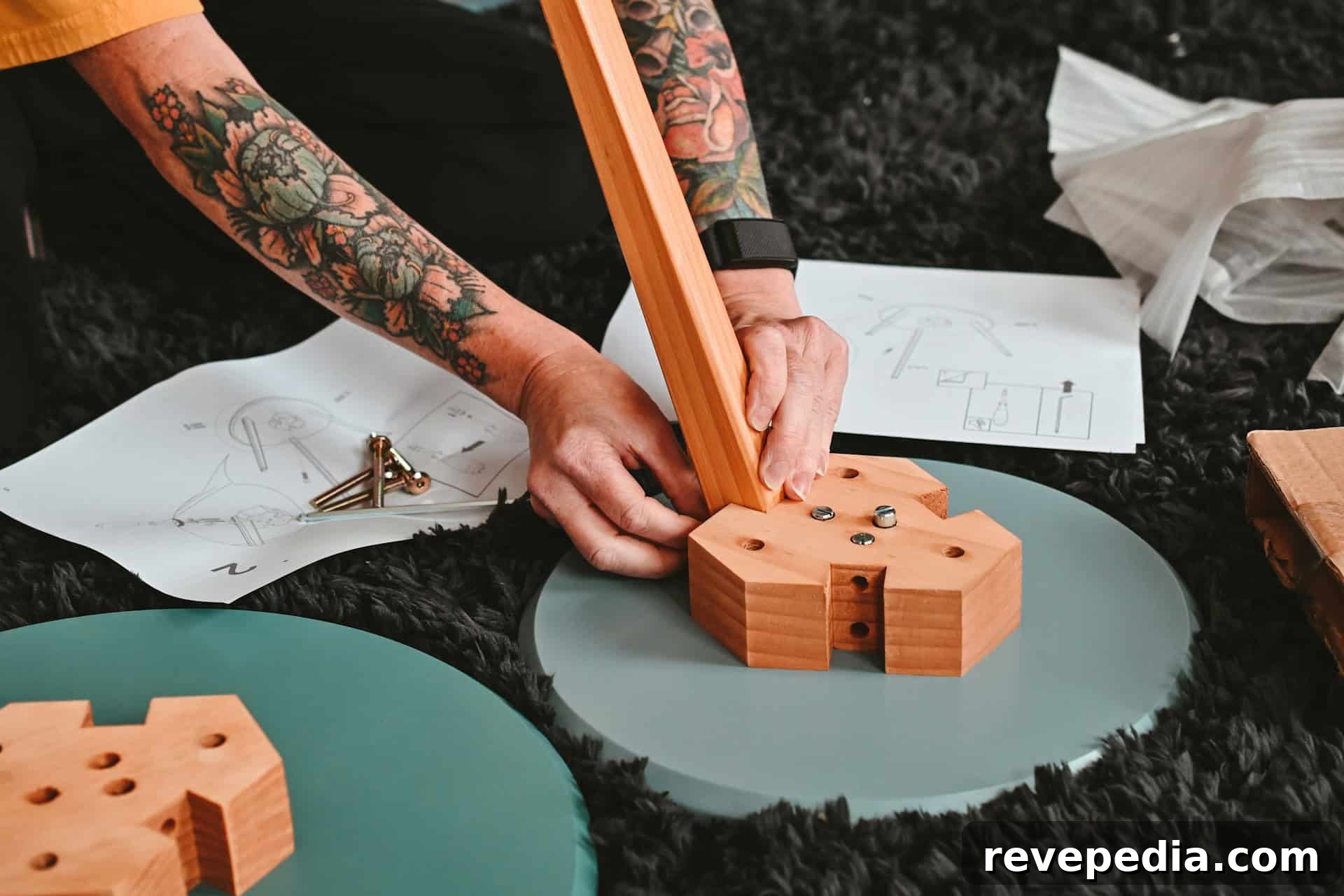
Artificial Intelligence (AI) has progressed rapidly in recent years, enabling tools like ChatGPT to provide real-time assistance across many aspects of daily life—including home improvement and DIY projects. Whether you’re an experienced DIYer or taking on your first repair, AI can offer useful guidance, troubleshooting tips, and creative inspiration to make projects smoother and more efficient.
This guide explains how to use an AI assistant like ChatGPT for everyday home improvement tasks, DIY project planning, and understanding where AI helps most—and where human professionals are still necessary. If you haven’t tried AI tools yet, read on to see how they can support your next project.
What ChatGPT Is and How It Helps
ChatGPT is a language model that understands and generates human-like text. When used effectively, it can help with everything from brainstorming project ideas to providing step-by-step instructions for repairs or installations. It adapts to the details you provide, so the more specific you are, the more practical and targeted the advice will be.
Common uses include troubleshooting appliances, suggesting materials and tools, guiding painting or woodworking tasks, and offering design ideas for furniture or storage. ChatGPT can help you think through options, list required supplies, and present clear procedures for straightforward tasks.
How to Write Effective Prompts
The quality of the response depends largely on the prompt you give. A prompt is the question or request you type in. Clear, specific prompts yield better answers. For instance:
- General prompt: “How do I fix a faucet?”
- Specific prompt: “How do I fix a leaky kitchen faucet that’s dripping from the spout?”
The second prompt provides more context, allowing the AI to offer precise troubleshooting steps and tool suggestions. Whenever possible, include manufacturer and model information, measurements, photos (if the platform supports them), and any diagnostics you’ve already performed. That context reduces guesswork and improves the usefulness of the guidance.
Practical Home Improvement Uses for AI
AI can be a practical assistant for routine repairs and upgrades. Examples of helpful uses include:
- Fixing appliances
- If your washing machine isn’t draining, a prompt like “My Kenmore top-loading washing machine won’t drain water. How can I fix this?” can produce suggested checks—inspect filters and hoses, test the pump, and identify common blockages or error codes.
- Painting tips
- For painting projects, ask targeted questions such as “What’s the best way to paint a small bedroom wall with semi-gloss paint?” The AI can recommend surface preparation, primer choices, brush and roller types, and techniques to avoid drips and achieve even coverage.
- Electrical and plumbing guidance
- While qualified professionals should handle complex electrical or plumbing work, ChatGPT can provide safe, basic instructions. For example, “How do I replace a ceiling light fixture?” can return step-by-step safety tips, required tools, and installation order—but always confirm local codes and consider hiring an electrician for anything beyond simple replacements.
- Sourcing materials
- AI can suggest where to buy materials or how to evaluate options. If you need reclaimed wood or specialty hardware, a prompt with your city and project details will yield practical sourcing ideas and tips for selecting quality materials.
Using AI to Plan DIY Projects
Beyond repairs, ChatGPT can help you plan and execute DIY builds—from furniture to storage solutions. Use it to refine designs, generate materials lists, and create step-by-step plans.
- Furniture design ideas
- Ask for style and construction suggestions, for example: “What are some modern design ideas for a DIY coffee table using reclaimed wood?” The AI can propose styles, joinery methods, finishes, and dimensions tailored to your space.
- Step-by-step project plans
- Request a clear build plan, such as “How do I build a simple outdoor wooden bench?” and receive a materials list, required tools, safety tips, and a sequenced construction process to follow.
- Space-saving storage solutions
- When space is limited, prompts like “What are creative storage solutions for a small bedroom?” can return ideas such as under-bed drawers, wall-mounted shelving, built-in niches, or multi-purpose furniture concepts.
- Repurposing and upcycling ideas
- AI can suggest ways to repurpose items, for example turning an old door into a dining table, with step-by-step transformation instructions and finishing recommendations.
Limitations and When to Call a Professional
AI is a powerful support tool but has important limits. Use it as a guide, not a substitute for professional judgment in certain situations:
- Complex structural, gas, or electrical work
- Projects that involve structural modifications, gas lines, or complex electrical systems require licensed contractors. ChatGPT can offer high-level guidance, but building codes, permits, and safety considerations demand professional expertise.
- No direct observation
- AI can only respond to the description you provide; it cannot inspect or diagnose problems in person. For issues like foundation cracks, roof damage, or hidden leaks, an on-site evaluation is necessary to assess severity and safety.
- Tool-specific and hands-on skills
- While ChatGPT can explain how to use common tools, it cannot replace hands-on training. Read tool manuals, follow safety guidelines, and practice basic techniques under supervision if possible.
- Local codes and up-to-date regulations
- Building codes and permit requirements vary by location and change over time. Always verify local rules with building authorities or consult local remodeling professionals before starting major structural or electrical projects.
Why AI Helps DIY Enthusiasts
AI tools like ChatGPT aggregate knowledge from many experts, tradespeople, and resources, bringing practical advice to your fingertips. They help demystify tasks, break projects into manageable steps, and offer creative solutions, making DIY less intimidating and more rewarding.
By learning to craft clear prompts and provide useful context, you can get more accurate, actionable responses that save time and reduce costly mistakes.
Final Thoughts
AI is transforming how we approach home improvement and DIY. Whether troubleshooting a common household issue or planning a creative project, ChatGPT can guide you through each step. Remember to respect its limitations—especially for complex or hazardous work that requires professional oversight.
For modern DIYers, AI functions like a knowledgeable assistant: offering ideas, step-by-step plans, and troubleshooting. As the technology evolves, these tools will become even more helpful in turning your home improvement visions into reality.
Other AI chatbots are also available and can be useful for different tasks or perspectives. When you’re stuck on a project, try an AI assistant—you might be surprised at how much it helps.