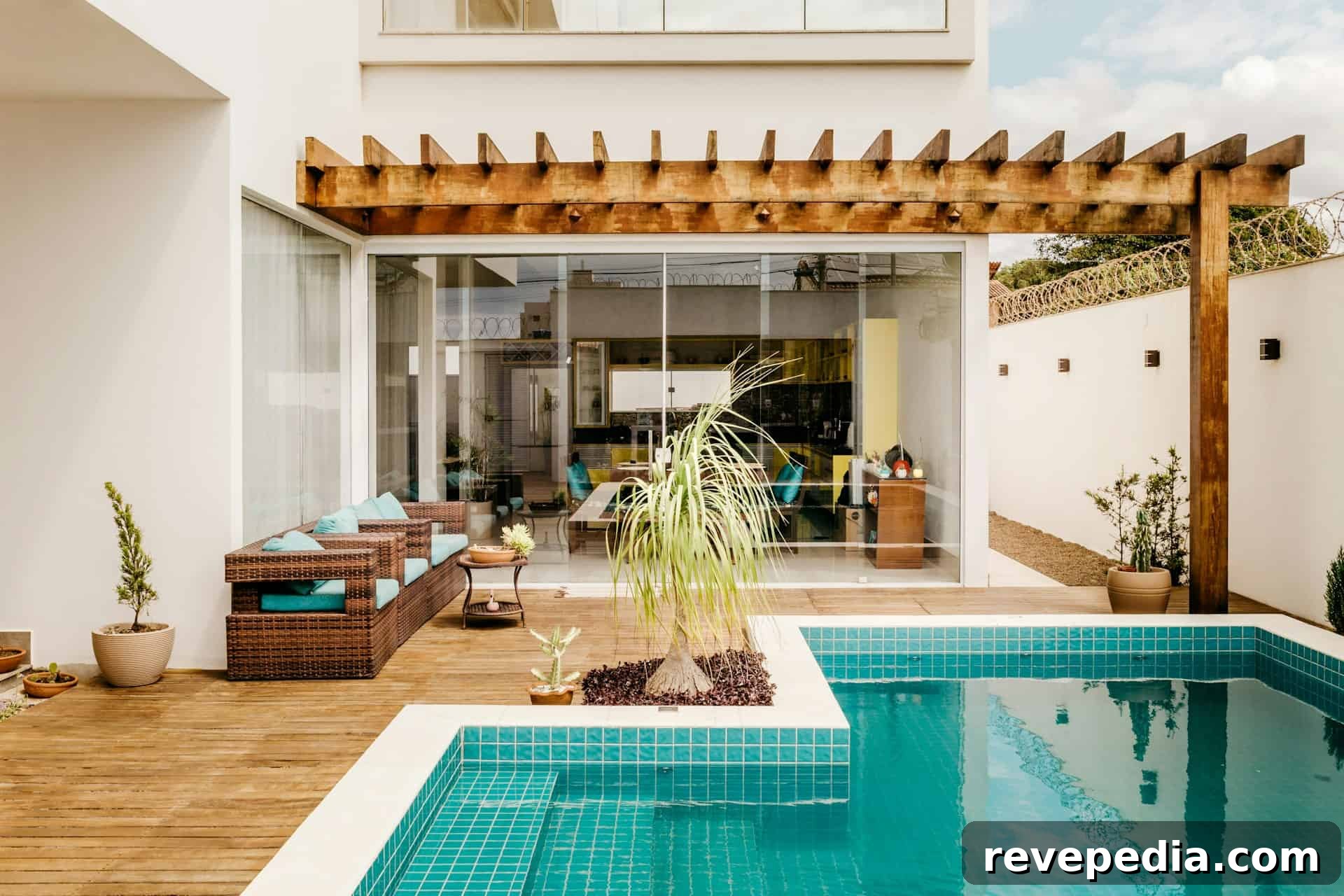
Outdoor living spaces have grown in popularity, offering comfortable, stylish areas for relaxation, entertaining, and socializing. Designing an outdoor space that balances function and style requires thought and planning to ensure it meets your needs while complementing your home.
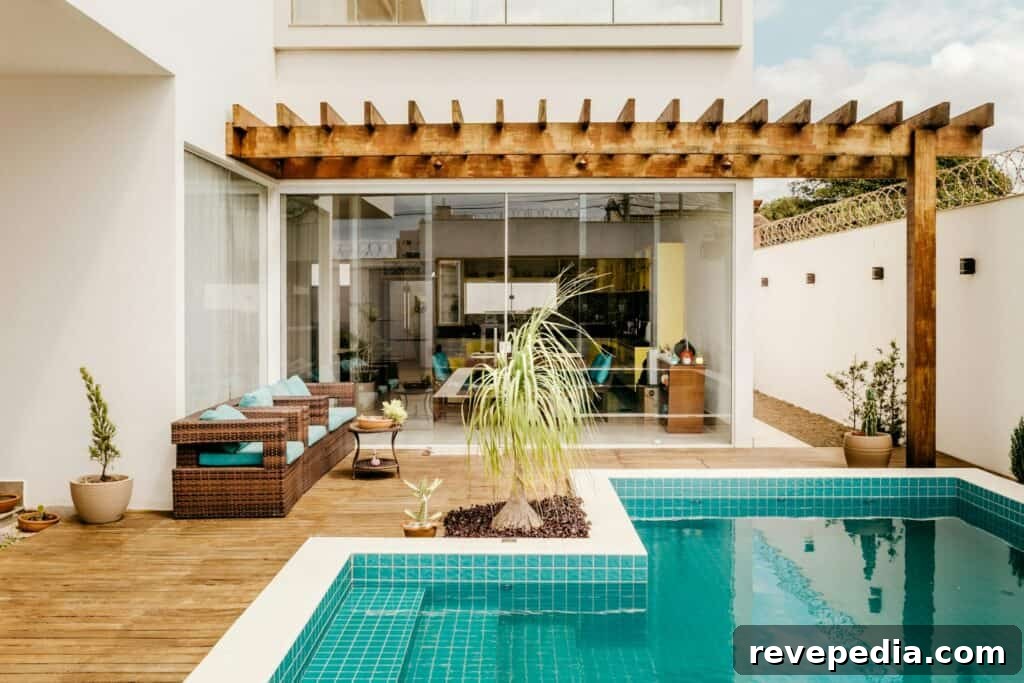
This article outlines the fundamentals of outdoor living space design, highlights essential components for functionality, suggests ways to add style, offers practical maintenance advice, and provides ideas for adapting outdoor spaces to different uses.
Understanding the Basics of Outdoor Living Space Design
Good outdoor design begins with thoughtful space planning. By treating the outdoor area as an extension of your home, you can create a seamless flow between indoors and out. Careful layout choices maximize usability and establish clear zones for different activities.
Consider sight lines, circulation, and how people will move between areas. The goal is to make the space welcoming and easy to use—whether you’re stepping outside for a quiet morning coffee or hosting a dinner with friends.
Importance of Space Planning
Space planning determines how well your outdoor living area functions. Start by measuring the available space and noting its shape, slope, and sun exposure. This information helps you place seating, dining, cooking, and play areas so they feel balanced and accessible.
Think about traffic flow: leave clear walkways between zones and allow enough room for chairs to be pulled out and for guests to move around comfortably. Proper planning prevents overcrowding and lets each zone serve its purpose without interference.
Choosing a Theme for Your Outdoor Space
A unifying theme gives your outdoor space direction and cohesion. Whether you prefer rustic charm, contemporary minimalism, or a tropical retreat, a consistent theme guides choices in furniture, finishes, plantings, and color palettes.
Match the outdoor theme to your home’s architecture and the surrounding landscape so everything feels harmonious. For example, a modern home works well with clean lines, neutral tones, and streamlined furniture, while a cottage-style house suits softer colors, layered textures, and informal plantings.
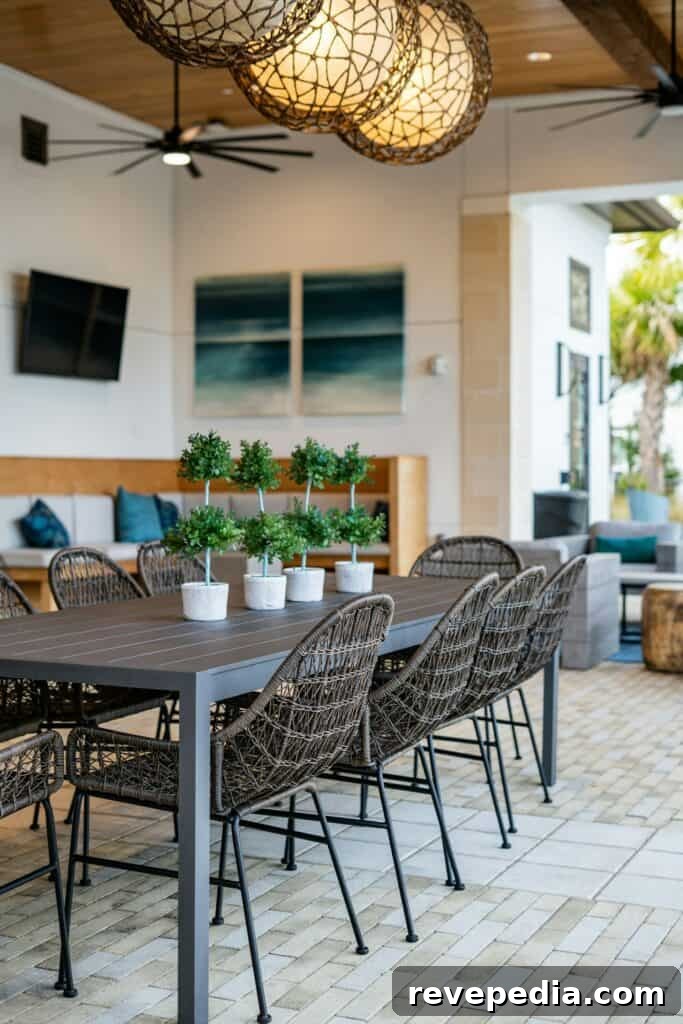
Essential Elements for a Functional Outdoor Living Space
A functional outdoor living area blends comfortable furnishings, appropriate lighting and heating, weather-resistant materials, and thoughtful layout. Below are several key elements to prioritize.
Outdoor Furniture Selection
Choose durable, weather-resistant furniture that fits the scale of your space. Materials such as treated wood, powder-coated metal, synthetic wicker, and high-quality plastics withstand the elements while offering a range of styles.
Comfort is important—opt for cushions and pillows made from outdoor fabrics that resist moisture, fading, and stains. Select pieces that can be rearranged easily to accommodate different group sizes and uses, and avoid overfilling the area so circulation remains clear.
Lighting and Heating Considerations
Good lighting extends usability into the evening and enhances safety. Layer ambient, task, and accent lighting: string lights and lanterns create atmosphere, path lights increase safety, and task lights illuminate dining or cooking areas.
For cool nights, add a heat source like a fire pit, outdoor fireplace, or electric patio heater. These features provide warmth and create focal points that encourage gatherings. Choose installations appropriate to your local regulations and safety requirements.
Adding Style to Your Outdoor Living Space
Styling your outdoor space makes it inviting and personal. Thoughtful use of color, texture, and decorative elements turns a functional area into an attractive outdoor room you’ll enjoy using.
Incorporating Color and Texture
Use a coordinated color palette that complements your home and landscape. Introduce color through cushions, rugs, planters, and accessories. Layer textures—wood, stone, woven fibers, and soft textiles—to add visual interest and tactile warmth.
Rotate textiles seasonally to refresh the look without major changes. Natural materials like teak, flagstone, and rattan help the space feel grounded and connected to the outdoors.
Selecting Decorative Elements
Decorative pieces personalize the space. Select art, sculptures, lanterns, or planters that reflect your taste and scale them to the area so they enhance rather than overwhelm. Group smaller items to create clusters of interest and use larger pieces as focal points.
Plants are essential decorative and functional elements—choose species suited to your climate and placement, mix heights and textures for depth, and incorporate fragrant or flowering plants to engage the senses. Planters and garden beds can help define zones and soften hard edges.
Maintenance Tips for Your Outdoor Living Space
Regular maintenance keeps your outdoor living space attractive and functional. Develop routines for cleaning, inspecting, and protecting furniture and finishes, and adjust care with the seasons.
Cleaning and Preserving Furniture
Clean furniture regularly with appropriate cleaners for the material and follow manufacturer guidelines. Apply protective treatments when recommended, and use covers or storage during extended bad weather to extend the life of cushions and fabrics.
Seasonal Care for Outdoor Spaces
Seasonal maintenance prevents damage from weather extremes. Inspect wood for signs of wear, reseal decks as needed, and check fasteners and hardware. Store or protect soft furnishings and delicate accessories during harsh winter months, and refresh plantings in spring for a lively start to the season.
Also maintain irrigation systems and drainage so plantings stay healthy and hardscape remains free of standing water. Regular pruning and weed control keep the landscape tidy and reduce long-term maintenance needs.
Maximizing Your Outdoor Living Space for Different Uses
Plan zones dedicated to relaxation, dining, cooking, and play to get the most from your outdoor area. Clearly defined spaces allow multiple activities to occur without conflict and make the area more versatile.
Creating Spaces for Relaxation
For relaxation, create a cozy seating arrangement with comfortable chairs, a loveseat, or a daybed. Include side tables for drinks and books, soft lighting, and shade options like umbrellas or pergolas to ensure comfort throughout the day.
Designing for Entertainment and Socializing
For entertaining, allocate room for a dining set and consider an outdoor kitchen or barbecue for convenient meal preparation. Provide flexible seating for larger groups and designate an activity zone for games or socializing.
Outdoor screens and projectors can turn an area into a seasonal media space for movie nights; pair them with weather-appropriate audio equipment and comfortable seating to create an immersive experience. When adding technology, plan power, connectivity, and weather protection to ensure reliable performance.
Designing a functional and attractive outdoor living space takes planning, appropriate materials, and ongoing care. By understanding the basics of layout, selecting durable furniture and lighting, adding thoughtful style elements, and keeping up with maintenance, you can create an outdoor environment that serves as a tranquil retreat or a lively gathering place—tailored to your lifestyle and preferences.