
A roof deck may appear sound at first glance, but hidden damage can develop quietly and lead to costly repairs. Small problems—like trapped moisture, surface cracks, or loose boards—rarely stay minor for long. Recognizing early warning signs and taking prompt action makes a real difference in preventing major issues.
This article outlines common roof deck problems and explains practical, cost-conscious solutions used by professionals to protect structural integrity and extend service life.
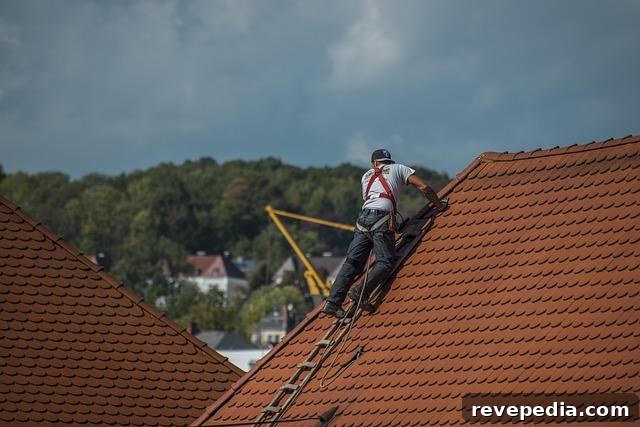
Water Damage and Moisture Buildup
Water is the primary cause of roof deck deterioration. Poor drainage, blocked outlets, or persistent ponding allow moisture to accumulate on the surface and within layers, promoting rot, mold, and structural weakening. Early indicators include soft or spongy spots underfoot, dark or discolored patches, and a persistent musty odor.
Professional repair starts with locating the water entry point and addressing the root cause before replacing damaged materials. Technicians remove compromised sections, thoroughly dry the affected area, and rebuild using treated wood or reinforced substrate systems. Improving drainage—by clearing outlets, adding scuppers, or regrading the slope—is often part of the solution to prevent recurrence and control long-term repair costs.
Cracks and Surface Deterioration
Surface cracking and deterioration result from repeated exposure to sun, rain, and temperature swings. These conditions cause materials to expand and contract, eventually producing fissures, flaking, or peeling finishes. Once cracks form, water can penetrate deeper layers and accelerate internal decay.
Repairs typically use compatible sealants, patch systems, or overlays designed for the deck material. Larger or deeply damaged areas may require removal and replacement of sections. After repairs, applying a durable protective coating helps seal seams and joints, restoring waterproofing and slowing future wear.
Loose or Warped Boards
Wood or composite boards can loosen or warp over time from moisture changes and repeated expansion and contraction. Warped boards create uneven walking surfaces, trip hazards, and localized stress points that compromise the deck’s overall structure.
Experienced crews follow a straightforward repair process:
- Assess the extent of movement and any hidden damage
- Secure loose boards or replace those that are beyond repair
- Use appropriate fasteners and reinforcements to stabilize connections
- Inspect adjacent areas to catch early signs of spread or decay
This method restores stability and reduces the chance of recurring problems, extending the deck’s usable life.
Poor Drainage System Issues
Inadequate drainage is a common cause of repeated roof deck problems. Blocked drains, insufficient slope, or improperly placed outlets create standing water that increases load and accelerates material breakdown. Persistent pooling also magnifies freeze-thaw damage in colder climates.
Technicians evaluate slope and flow, then take corrective steps such as improving the pitch, clearing or upgrading outlets, and installing additional drains or scuppers where needed. These adjustments promote efficient water removal, reduce long-term stress, and lower the frequency of future repairs.
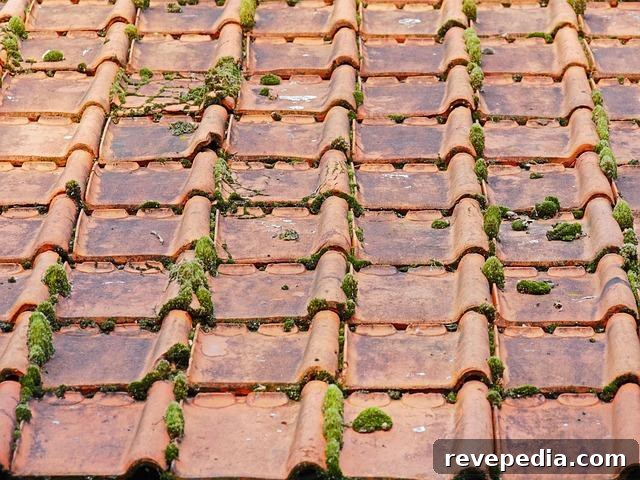
Coating and Sealant Failure
Protective coatings and sealants degrade over time due to ultraviolet exposure, temperature extremes, and general weathering. Once these protective layers fail, the underlying deck becomes vulnerable to moisture intrusion and thermal damage, which can lead to cracking and leaks.
Proper restoration includes removing worn coatings, addressing any underlying damage, and applying a modern coating system designed for the specific deck material. Technicians pay special attention to seams, edges, penetrations, and high-traffic zones to ensure consistent coverage. A well-applied coating provides a renewed waterproof barrier and reduces maintenance needs for years.
Professional Expertise Makes a Difference
Many roof deck issues remain hidden until a trained inspector identifies subtle warning signs. Professionals bring diagnostic tools and experience that help detect problems early and allow for precise, minimally invasive repairs. Their knowledge also ensures that chosen materials and methods match the deck’s construction and local climate conditions.
Using skilled contractors reduces the risk of recurring failures and ensures repairs meet safety and building standards. Careful selection of materials and accurate application techniques minimize follow-up work and protect the structure over time.
Keeping a roof deck reliable depends on timely detection and appropriate repairs. Controlling moisture, maintaining surface coatings, and addressing drainage or board defects early will limit damage and save money. Engaging experienced professionals to assess and repair problems preserves both safety and long-term value, preventing frequent maintenance cycles and avoiding large-scale restoration campaigns.