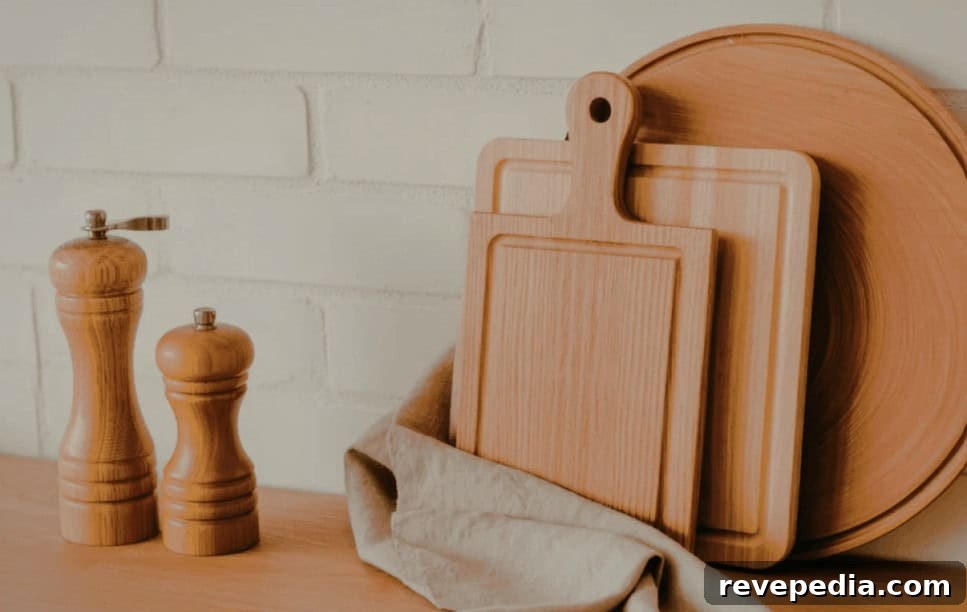
In an era when kitchens are filled with plastics, stainless-steel appliances, and high-tech gadgets, wooden kitchen tools remain uniquely valued. From classic stirring spoons to handcrafted cutting boards, wooden utensils combine practicality, sustainability, and timeless aesthetic appeal. Their lasting popularity shows that simple, well-made materials can offer some of the most reliable and meaningful solutions in the kitchen.
Wooden tools are more than functional items; they reflect thoughtful design, environmental awareness, and culinary tradition. Used by professional chefs and home cooks alike, they bring warmth, durability, and authenticity to the heart of the home.
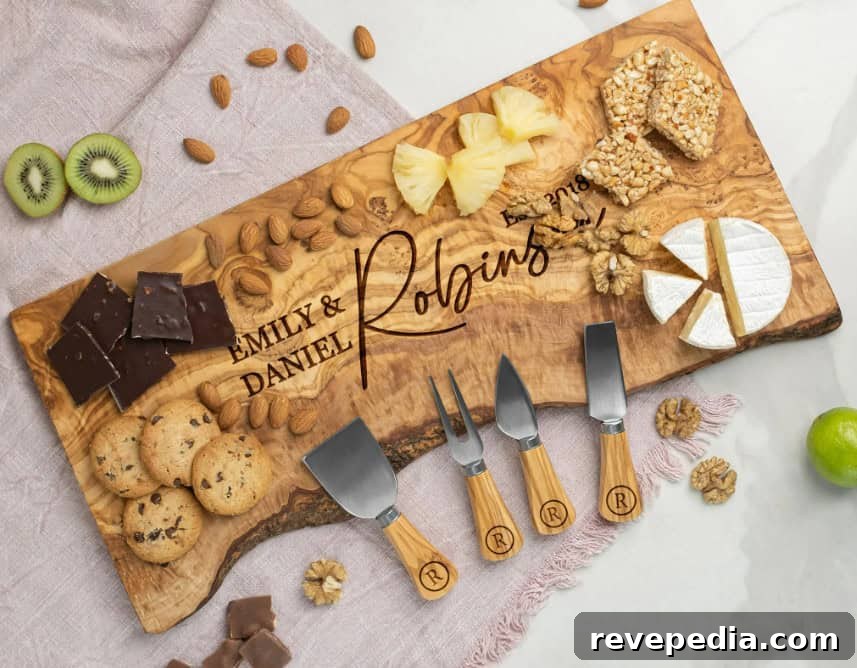
Image by Forest Decor
A Tradition Rooted in Culinary History
Wooden kitchen implements have served cooks for centuries. Long before plastics and silicone, people shaped wood into spoons, bowls, rolling pins, and chopping boards because it was abundant, workable, and naturally suited for food use.
Across many cultures, wooden utensils remain a preferred choice. Families often pass them down through generations because a well-crafted wooden spoon or board is durable and can withstand years of daily use. Over time these pieces can become treasured household items.
This deep-rooted history highlights wood’s dependability as a kitchen material. While modern tools may cycle in and out of fashion, wooden utensils consistently remain a staple in kitchens worldwide.
Gentle on Cookware
One major advantage of wooden tools is their gentleness on cookware. Metal utensils can scratch or damage sensitive surfaces like nonstick coatings, while wooden spoons and spatulas offer smooth, soft contact that protects pans and preserves finishes.
Wood’s lower thermal conductivity also means these tools stay relatively cool during cooking, making them more comfortable and safer to handle when working with hot pots and pans.
Natural Durability and Strength
High-quality hardwoods—maple, walnut, cherry, and teak—are commonly used for kitchen tools because they resist cracking, warping, and excessive moisture absorption. Their dense grain contributes to long-term strength and durability.
Properly cared-for wooden utensils can last for many years, unlike some plastics that may warp, melt, or degrade. Hardwood cutting boards offer a sturdy, knife-friendly surface that helps preserve blade edges while providing reliable support for food preparation.
This combination of robustness and longevity makes wooden items a sound investment for home cooks who want tools that endure.
A Sustainable Choice for Modern Kitchens
With sustainability becoming a major household priority, wooden kitchen tools are being reappraised for their environmental advantages. Wood is a renewable resource that, when responsibly sourced, supports sustainable forestry practices.
Wooden utensils are biodegradable and leave far less environmental impact than petroleum-derived plastics. Many manufacturers now choose sustainably harvested timber or reclaimed wood from old furniture and building materials, reducing waste and giving existing resources new life.
Opting for wooden kitchen tools supports an eco-friendlier approach to cooking and home living.
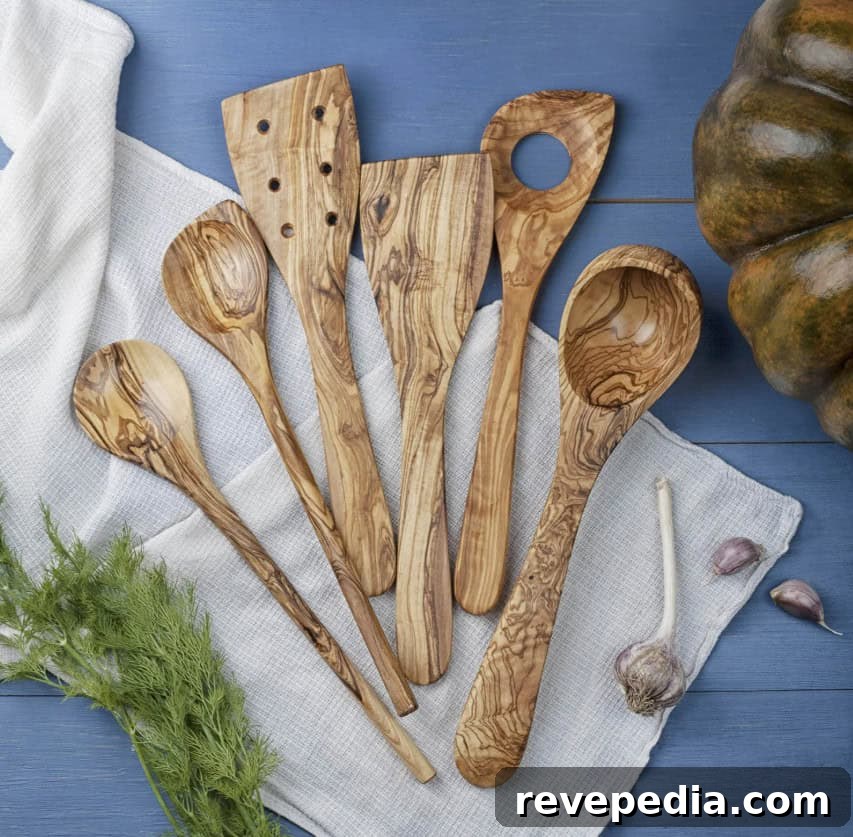
Image by Forest Decor
Natural Antibacterial Properties
Wood also offers natural antibacterial qualities that are often overlooked. Certain woods contain compounds and structures that inhibit bacterial survival. Bacteria that contact wood are frequently drawn into the fibers and die off, whereas plastic surfaces—especially when scratched—can harbor active bacteria longer.
When cleaned and maintained properly, wooden cutting boards and utensils are a hygienic choice: washing with warm water and mild soap followed by thorough drying typically suffices to keep them sanitary and safe.
Warmth and Aesthetic Appeal
Beyond utility, wooden kitchen items add warmth and visual interest. Natural grain patterns, tones, and textures bring a tactile, organic beauty that synthetic materials often lack. No two wooden pieces are identical, so each utensil or board carries its own character.
Wood complements many kitchen styles: in rustic spaces it reinforces a traditional, cozy atmosphere; in modern kitchens it provides a warm contrast to stainless steel or marble. Well-crafted serving boards, salad bowls, and utensils frequently serve both practical and decorative roles.
Versatility in Everyday Cooking
Wooden tools are highly versatile. They excel at stirring soups, mixing batter, sautéing vegetables, tossing salads, and serving food. Lightweight yet sturdy, they are comfortable to use for long periods and suit both novice cooks and seasoned chefs.
Common wooden kitchen items include:
- Wooden spoons for stirring and mixing
- Spatulas for sautéing and flipping
- Cutting boards for food preparation
- Rolling pins for baking and dough work
- Salad bowls and serving utensils
Because of their reliability and simplicity, wooden utensils often become everyday essentials in active kitchens.
Easy Maintenance and Care
Caring for wooden kitchen tools is straightforward. Regular washing with warm water and mild soap removes food residue and contaminants. Avoid soaking wooden items for long periods to prevent swelling or cracking. After cleaning, dry them thoroughly to prevent moisture buildup.
Occasional treatment with food-grade mineral oil or a natural wood conditioner helps keep the wood hydrated, enhances grain and color, and prevents the material from drying out and splitting. With basic care, wooden utensils remain functional and attractive for years.
The Emotional Connection to Cooking
Wooden kitchen tools often carry sentimental value. Cooking connects us to family traditions, shared meals, and cultural memories, and wood items are frequently part of those narratives. A spoon used for special family recipes or a cutting board brought out for holiday meals can become heirlooms.
Over time, wood develops a patina—scars and color changes that tell the story of countless meals and moments. That gradual aging gives wooden tools character and a meaningful presence in the kitchen.
Conclusion
Wooden kitchen tools remain relevant because they unite practicality, sustainability, and natural beauty. Their durability, gentle treatment of cookware, and eco-friendly nature make them an excellent choice for modern kitchens that value function and responsibility.
At the same time, their warm aesthetic and traditional craftsmanship bring authenticity and comfort to everyday cooking. In a world of disposable gadgets and synthetic materials, wooden utensils remind us that some of the best solutions are simple, natural, and enduring.
Incorporating wooden tools into your kitchen creates a space that is functional, inviting, sustainable, and deeply connected to culinary tradition.