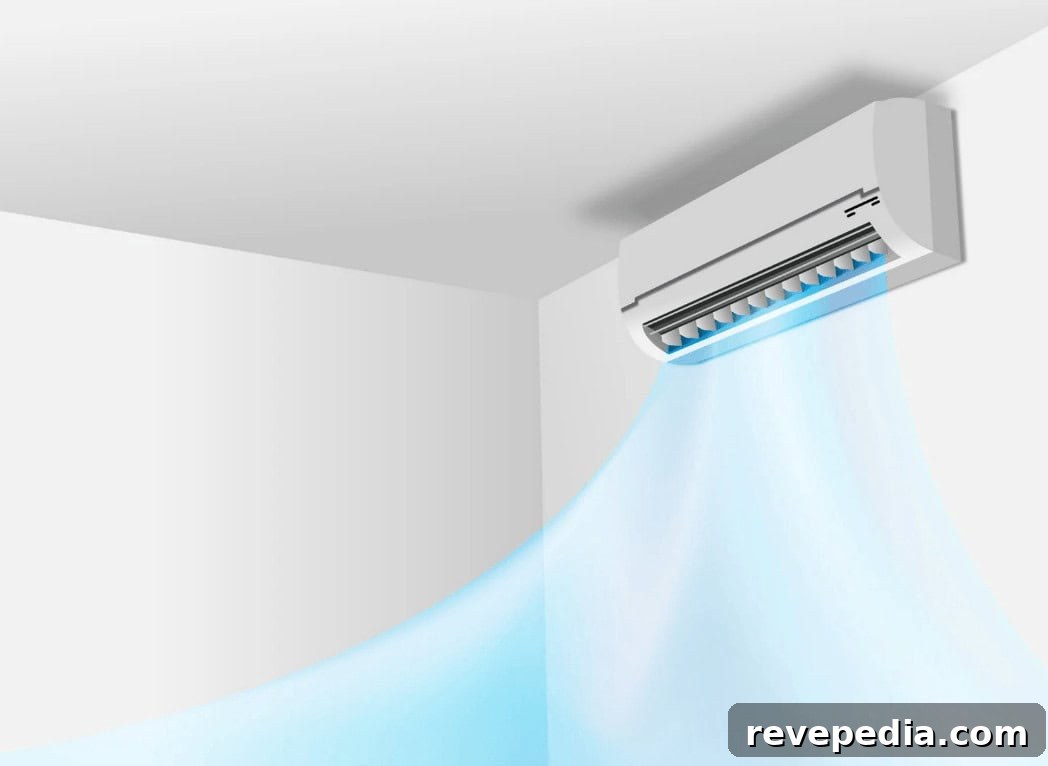
Air conditioning systems are essential for keeping homes cool and comfortable during hot weather. A properly functioning AC maintains a pleasant indoor environment and enhances overall comfort.
To ensure efficient performance, regular AC repair, installation, and maintenance are crucial. These services help avoid breakdowns, improve energy efficiency, and extend the service life of your air conditioner.
AC Repair to Resolve Problems Quickly
Air conditioning systems can develop issues over time because of normal wear and tear, electrical faults, or lack of maintenance. When your AC fails to cool properly or begins producing unusual sounds, professional AC repair services can diagnose and correct the problem.
Common signs that an air conditioner needs repair include:
- Warm air blowing from the vents
- Weak or reduced airflow throughout the home
- Unusual noises such as grinding, rattling, or buzzing
- Off or musty odors coming from the system
- Higher electricity bills without increased usage
Qualified technicians inspect the system, identify faults, and repair or replace components such as compressors, fans, coils, capacitors, and electrical connections to restore normal function.

Benefits of Timely AC Repair
- Restores effective cooling performance
- Prevents minor issues from escalating into major failures
- Improves energy efficiency and reduces wasted power
- Extends the operational lifespan of the unit
- Maintains comfortable indoor temperatures
Prompt repairs protect your investment and keep the system operating reliably.
AC Installation for Dependable Cooling
When an air conditioner is outdated or frequently breaks down, repair may no longer be cost-effective. In such situations, professional AC installation of a new system is often the best solution.
A new, properly sized air conditioning system can deliver better cooling performance and greater energy efficiency.
Professional AC installation typically includes these steps:
System Evaluation
The technician assesses your home’s size, insulation, window exposure, and cooling needs to recommend the appropriate system capacity.
Correct Unit Selection
Choosing the right-sized unit is critical. An undersized system will struggle to cool the space, while an oversized unit cycles too frequently and wastes energy.
Professional Installation
Experienced installers mount the outdoor and indoor components, connect electrical systems, integrate ductwork if needed, and ensure safe, code-compliant installation.
System Testing
After installation, technicians test the system to confirm it cools effectively, cycles correctly, and operates at peak efficiency.
Advantages of a New AC System
- Higher energy efficiency and potential cost savings
- Improved cooling performance and comfort
- Lower electricity bills with modern equipment
- Quieter operation and fewer disruptions
- Reduced need for frequent repairs
A professionally installed AC provides reliable, long-lasting comfort when chosen and installed correctly.
AC Maintenance to Prevent Future Problems
Routine AC maintenance is one of the most effective ways to keep your air conditioner running efficiently. Regular service uncovers small issues before they lead to costly repairs and helps maintain consistent performance.
During maintenance visits, HVAC technicians inspect, clean, and adjust essential system components.
Typical AC maintenance tasks include:
- Cleaning or replacing air filters and cleaning coils
- Checking refrigerant levels and sealing leaks if necessary
- Inspecting electrical components and connections
- Lubricating motors and moving parts
- Testing thermostat accuracy and controls
- Verifying proper airflow and duct integrity
Benefits of Regular Maintenance
- Improves system efficiency and lowers energy consumption
- Reduces the risk of unexpected breakdowns
- Extends the life of the AC unit
- Maintains stable, consistent cooling throughout the home
- Helps preserve indoor air quality
Many professionals recommend scheduling maintenance at least once a year, and in high-use climates, twice yearly—typically before the cooling season begins.
Ductless Mini-Split Systems for Flexible Cooling
Alongside traditional central air systems, ductless mini-split systems are an increasingly popular option. These systems provide efficient cooling without the need for ductwork.
Ductless systems are well suited for:
- Homes without existing ductwork
- Additions, renovations, or converted spaces
- Garages, basements, home offices, and sunrooms
- Rooms that require independent temperature control
Advantages of Ductless Mini-Splits
- High energy efficiency and targeted cooling
- Flexible, relatively simple installation
- Ability to zone temperatures for individual rooms
- Quiet indoor operation
- Increased occupant comfort and control
Ductless systems offer a practical, efficient solution when centralized ductwork is impractical or unnecessary.
Signs Your Air Conditioner Needs Professional Service
Pay attention to warning signs that indicate your AC requires professional attention to avoid more serious damage.
Common indicators include:
- The AC runs continuously but fails to cool the home
- Uneven temperatures or hot and cold spots between rooms
- Frequent short cycling or on/off operation
- Loud, unusual noises or excessive vibration
- Unexpected spikes in utility bills
If you notice any of these problems, contact an HVAC professional promptly to diagnose and resolve the issue.
Why Professional HVAC Services Matter
While basic tasks such as changing filters can be handled by homeowners, most repairs and installations require trained technicians. HVAC professionals bring the expertise, tools, and safety practices needed for accurate diagnostics and reliable work.
Hiring qualified technicians provides several advantages:
- Precise system diagnostics and troubleshooting
- Safe handling of electrical components and refrigerants
- Correct installation techniques and code compliance
- Access to quality parts and proper equipment
- Long-term reliability and performance assurance
Professional HVAC service ensures your system runs safely, efficiently, and dependably.
Conclusion
Air conditioning systems are vital for maintaining a comfortable living environment. Proper AC repair, installation, and maintenance help keep your cooling system efficient and reliable year-round.
Timely repairs prevent minor issues from becoming major problems, professional installation ensures optimal performance, and routine maintenance extends the life of your equipment.
Whether you are replacing an older unit, addressing a malfunction, or scheduling preventive maintenance, working with experienced HVAC professionals will help you achieve the best results. With appropriate care, your air conditioner can deliver dependable cooling and comfort for many years.
FAQ’s
What is the difference between AC repair, installation, and maintenance?
AC repair addresses specific faults when the system malfunctions. AC installation refers to fitting and commissioning a new air conditioning unit. AC maintenance covers routine inspections, cleaning, and adjustments to keep the system operating efficiently and to prevent future issues.
How often should an air conditioner be serviced?
Most experts recommend at least one service visit per year. In regions with heavy use, scheduling maintenance twice a year—typically before the cooling season—helps maintain peak performance and efficiency.
What are the benefits of regular AC maintenance?
Regular maintenance improves energy efficiency, lowers repair costs by catching issues early, prevents unexpected breakdowns, and extends the overall lifespan of the system while keeping cooling consistent.
When should I replace my air conditioner instead of repairing it?
Consider replacing the unit if it is more than 10–15 years old, requires frequent repairs, or leads to high energy bills. A new, energy-efficient system may provide better long-term value.
Can a new AC system reduce electricity bills?
Yes. Modern air conditioners are generally more energy efficient than older models. Installing a properly sized, high-efficiency system can reduce electricity consumption and lower monthly utility costs.