
When it comes to roof leaks, flashing is often the primary culprit. Flashing seals the joints where the roof meets walls, chimneys, vents, and other penetrations, and when it fails, water can easily find its way into your home.
Many homeowners encounter intermittent leaks specifically around areas where shingles meet side walls or around roof penetrations. This article explains the common causes of flashing leaks, the correct repair methods, and when to call a professional.
Why Flashing Leaks Occur
Flashing leaks usually result from improper installation, aging materials, or physical damage. The most common contributing factors include:
Improper Flashing Installation
Poor installation is a frequent root cause. For example, when a roof is recovered with a second layer of shingles without removing the old layer, step flashing can be installed incorrectly or not at all, creating gaps that allow water intrusion.
Correct flashing installation requires fitting the flashing under the shingles and around roof penetrations so water is directed away from joints and walls.
Common signs of improper flashing installation:
- Water damage around chimneys, skylights, or side walls
- Visible gaps or misaligned flashing pieces
- Leaks originating at joints or seams

Aged or Deteriorated Flashing
Flashing made from aluminum, galvanized steel, or other metals can deteriorate over time from exposure to weather. Corrosion, rust, and material fatigue reduce flashing effectiveness and allow moisture to penetrate.
Signs that flashing is deteriorating:
- Rust or corrosion visible on flashing
- Cracked, brittle, or warped flashing pieces
- Repeated leaks during rainstorms or thaw cycles
How to Repair a Flashing Leak
The repair approach varies with the extent of the damage. Below are practical steps to address typical flashing problems safely and effectively.
1. Inspect the Area to Find the Leak Source
Before beginning repairs, perform a careful inspection of the flashing and adjacent roofing materials. Water can travel, so the leak’s interior location may not match the exterior source.
2. Remove Damaged Shingles and Flashing
If the flashing is compromised, remove the surrounding shingles and the old flashing. This is particularly important when multiple shingle layers exist, because improper layering often conceals flashing errors.
3. Install Proper Step Flashing
Install new step flashing so each piece sits tightly against the roof and the wall. Overlap each flashing segment correctly so water flows down the roof without entering at the seams.
4. Reinstall Shingles and Apply Sealant
After the flashing is secured, reinstall shingles with proper alignment over the flashing. Apply a compatible roofing sealant to vulnerable edges to prevent water infiltration.
5. Add Ice and Water Shield Where Needed
In regions with severe weather or where water can back up under shingles, apply an ice and water shield around flashing to add a waterproof barrier and reduce the risk of leaks during heavy rain or ice dams.
When to Hire a Professional
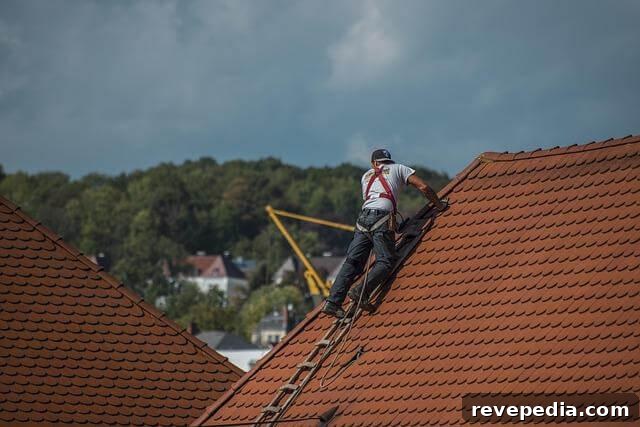
Homeowners with some roofing experience can often tackle minor flashing repairs. However, if the flashing is extensively damaged, the roof is large or steep, or you lack the necessary tools and safety equipment, hiring a professional roofer is the safer choice.
A licensed roof repair contractor has the expertise, materials, and safety practices to complete the job correctly and reduce the chance of future problems.
Indicators that You Should Call a Pro
- Flashing is missing or damaged in several spots
- Roof access is difficult or the slope is steep and hazardous
- You are uncertain about safely handling roofing materials or equipment
Preventing Future Flashing Leaks
Routine maintenance and periodic inspections are the best defense against recurring flashing leaks. Practical preventive measures include:
- Inspect flashing annually for signs of damage, corrosion, or displacement
- Keep debris cleared from valleys, gutters, and around flashings to prevent water buildup
- Seal small gaps or cracks promptly before they worsen
- Replace worn flashing during any roof repair or re-roofing project
Conclusion
Flashing leaks are a common but manageable roofing issue. Addressing improper installation, replacing aged materials, and repairing damage promptly will prevent more significant, costly problems later.
If you’re uncomfortable performing the repair or the damage is complex, professional roof repair services provide the correct tools and expertise to protect your home and extend the life of your roof.