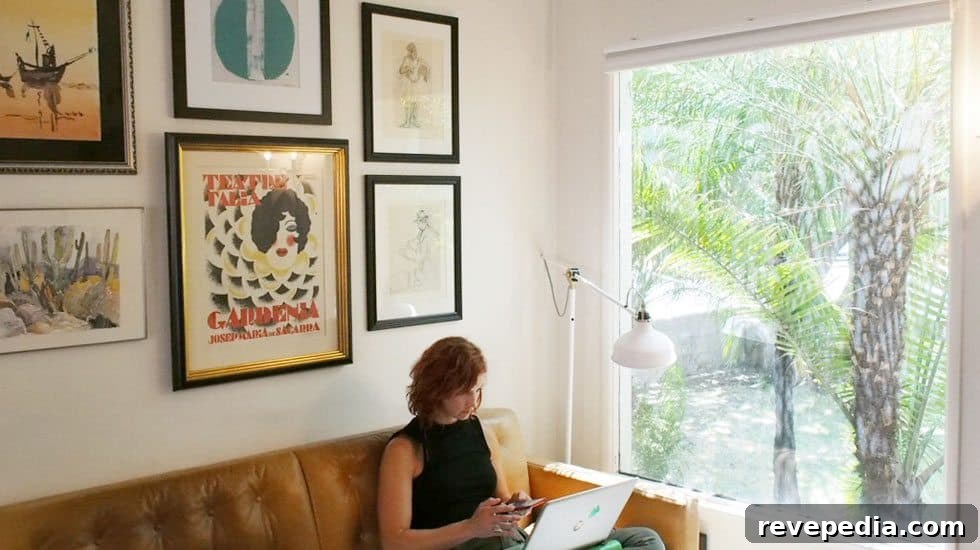
We enjoy abundant natural light in our home, but with it comes unwanted heat and UV exposure. We recently had LLumar residential window film installed, and the change has been remarkable. Below is our experience and why window film can be a smart upgrade for many homes.
We’ve never been fans of heavy drapes or conventional window coverings — they can look dated and collect dust. While curtains and blinds reduce heat, light, and increase privacy, we wanted a cleaner, low-maintenance solution that preserved daylight without the drawbacks.
After having LLumar film installed by The Tint Pros, we found it’s an excellent way to block UV rays and reduce solar heat gain. It functions similarly to automotive tinting but is designed for homes and often performs even better for interior comfort and protection.
Love/Hate our Window
Our large west-facing front window floods the living room with light throughout the day, which we love — but it also creates problems. In the afternoon the area near the couch becomes uncomfortably warm due to direct solar heat transfer.
We don’t use air conditioning because we live near the beach in West LA, so we rely on fans and open windows. Still, the space can get hot, and strong glare makes watching TV difficult.
Because the couch sits directly beside the window, we worried about fabric fading from sun exposure. We also wanted to reduce the UV that reaches our skin when sitting by the window.
Installation
The process began with a visit from our local LLumar dealer. Greg from The Tint Pros explained the benefits of residential window film and recommended Vista by LLumar for our living room. He showed sample swatches so we could see how different film shades affect natural light and choose the right balance between brightness and heat control.
We learned that LLumar blocks 99.9% of harmful UV rays, which helps protect skin and prevents fading of furniture and rugs. The film also rejects up to 57% of solar energy in the model we selected, meaning our room should stay noticeably cooler and use less energy to maintain comfort — especially useful since we don’t run A/C.
Greg returned the next day to install the film. He cleaned the glass with a mild soap-and-water solution, carefully cut the film to size, and applied it to the window. After trimming the edges and smoothing the surface, the installation was complete. He advised not to clean the film for at least five days to allow proper curing.
Results
After living with the treated window for several days, we’re completely satisfied. The difference is dramatic: the room now has a warmer, more pleasant light and stays much cooler during the afternoon. Glare on the TV is gone, and we can sit by the window all day without feeling overheated or worrying about UV exposure.
We also documented the change with a thermal imaging camera. The before-and-after heat-map photos were taken at roughly the same time on successive days. Outside temperatures were about 80°F. In the before image the couch and nearby surfaces showed much higher temperatures, indicating significant heat transfer through the untreated window. After installation, surface temperatures near the window dropped by around 10°F, clearly demonstrating the film’s effectiveness at reducing heat gain.
We appreciate Greg from The Tint Pros for a professional installation and for answering our questions throughout the process. The film delivered on the promised benefits: reduced UV exposure, lower surface temperatures, less glare, and an overall more comfortable living space.
I received product and compensation from LLumar for this post, but the opinions expressed here are entirely my own.