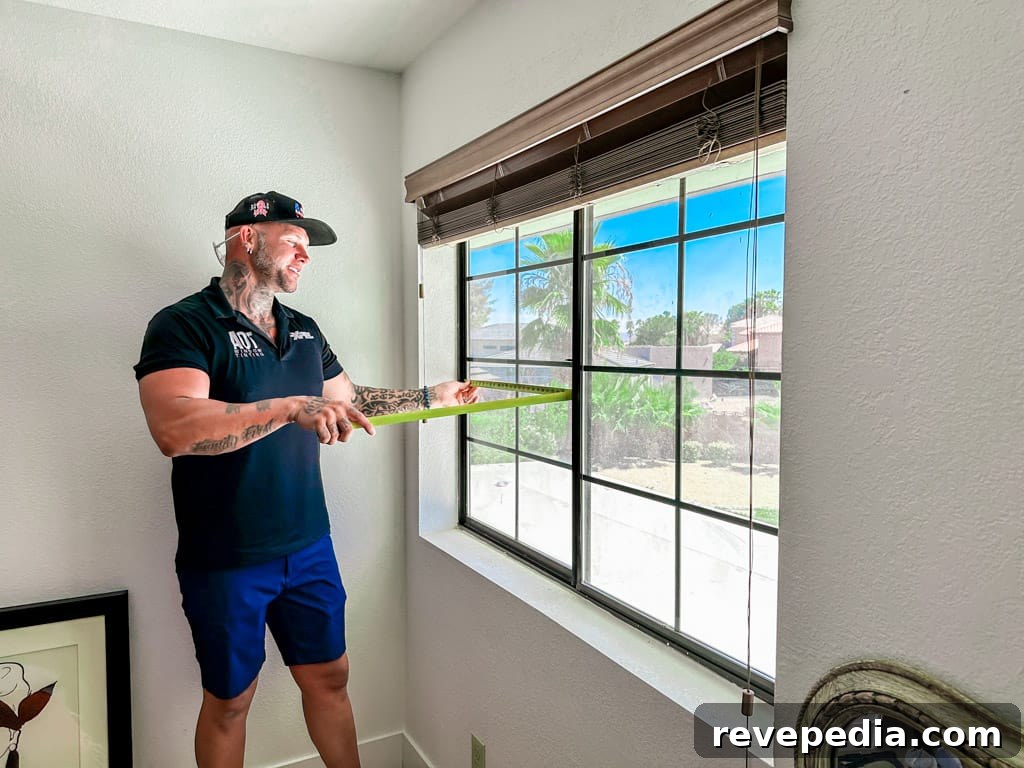
Two years ago I had XPEL window film installed on our home in Las Vegas. We did it for one reason: the heat. Our main living area has 15-foot ceilings, and in summer those high windows turn the room into a solar oven. We were spending a small fortune on electricity just to keep the space tolerable. Something had to change.
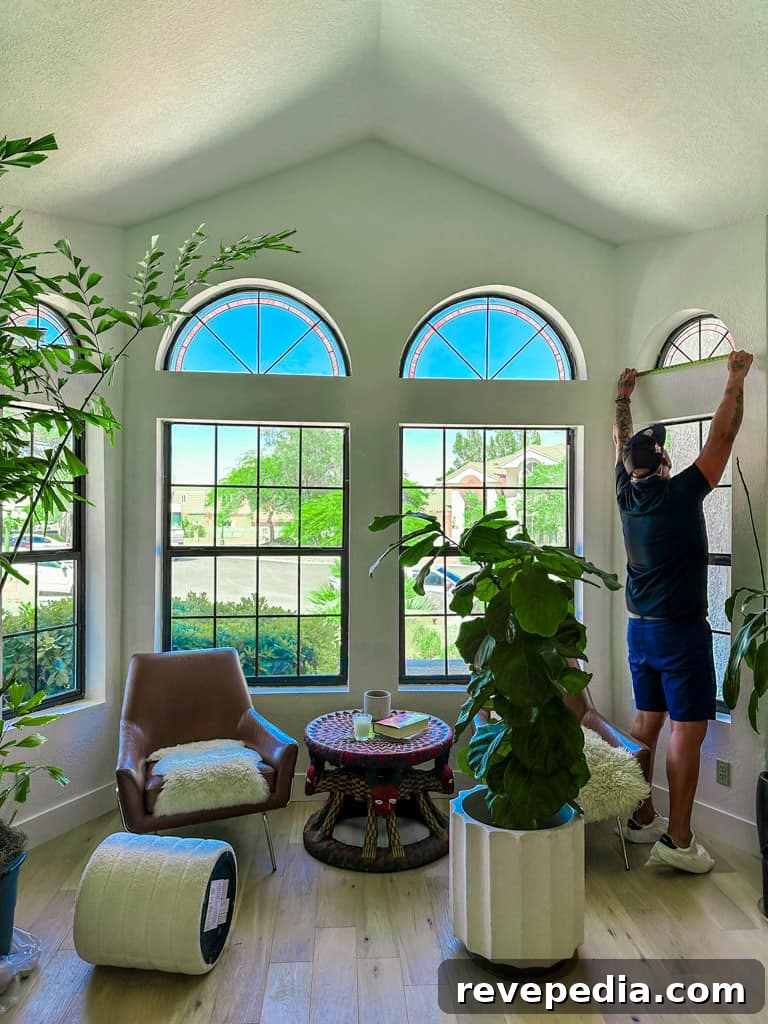
Two years later, our power bill during peak summer months is about 30 percent lower. That’s significant when you’re cooling a large desert home. The savings are tangible—not only on the electricity bill but in everyday comfort.
What Changed Inside the House
We now keep the main-floor AC off for most of the day. Temperatures hold steady without the system running constantly. In the evenings we use the bedroom unit and the upstairs stays around 76°F. The biggest difference is that the house no longer feels like it’s fighting the sun all day long.
The film itself remains flawless: no bubbles, no peeling, no distortion. Our installer checked in about a month after the job to confirm everything settled properly, and it did.
How XPEL Makes It Work
XPEL’s window film uses nano-ceramic layers that block heat while allowing natural light to pass through. That means bright interiors without the UV and infrared overload that make rooms overheating. The company’s technology is designed for long-term performance, unlike traditional dyed films that can fade or degrade. In industry interviews, company executives have emphasized that clarity and heat rejection don’t have to be mutually exclusive.
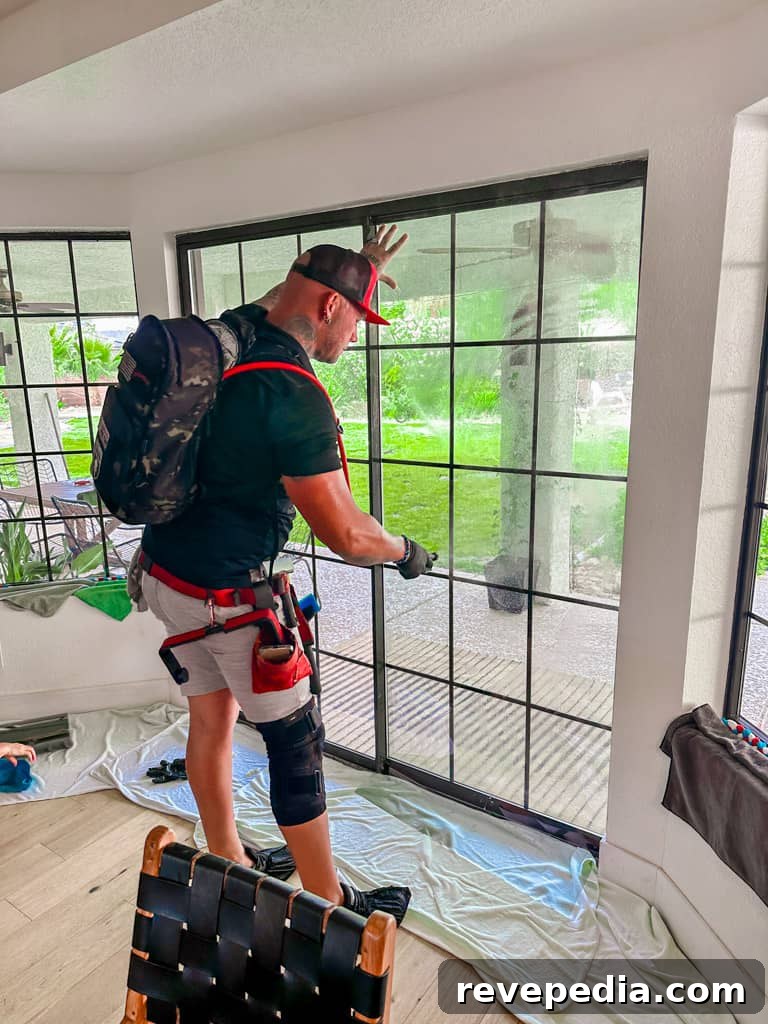
Authorized dealers also matter. Each installation is custom-measured and hand-cut to ensure a precise fit and clean finish. Our installer treated the job like a system upgrade rather than a quick add-on, which made a noticeable difference in outcome.
Where the Savings Show Up
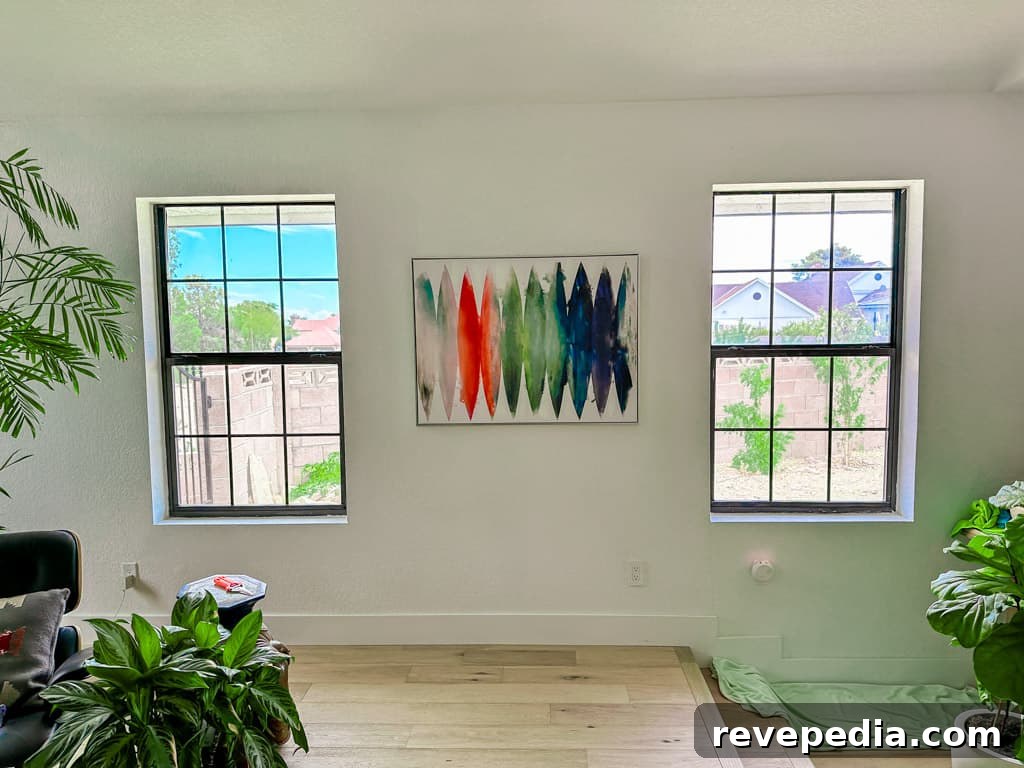
The real impact goes beyond comfort: it reduces the load on your HVAC system. When the air conditioner isn’t struggling against constant radiant heat, it cycles less, uses less power, and has less wear and tear. That’s where the long-term savings come from. For us, a 30 percent reduction in summer cooling costs means the install should pay for itself in under three years.
Given the age of one of our AC units, anything that lightens its workload is a clear benefit.
The Real Test: Does It Last?
After a year and beyond, the answer is yes. There’s no haze, no color change, and the glass still looks clear. You don’t notice the film visually, but you feel the difference in the room. It’s performed quietly and consistently—exactly what you want from a home upgrade.
Final Word
If you live where summers are long and hot and you have high ceilings like ours, XPEL window film is a worthwhile investment. It’s not flashy, but it delivers: cooler rooms, lower energy bills, and less strain on your HVAC system. This upgrade has matched its promise in both performance and durability.
No gimmicks—just a smarter way to keep your house comfortable in the heat.