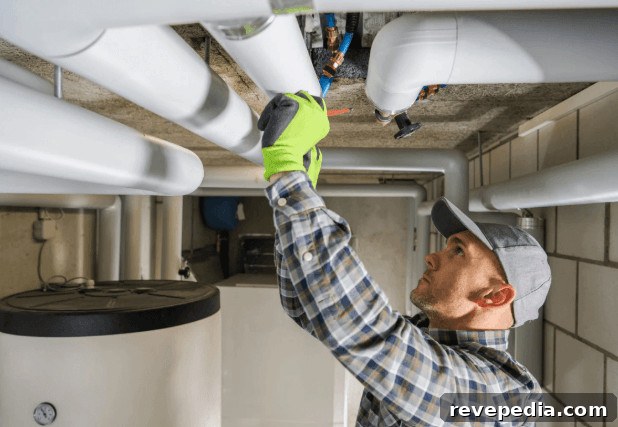
Seasonal HVAC and plumbing maintenance is essential for homeowners in Arkansas. Local climate swings place continuous demand on household systems: hot, humid summers increase cooling needs, while colder months strain heating systems and plumbing. Preventive maintenance reduces energy costs, minimizes unexpected repairs, and prevents disruptions to daily life.
Regular upkeep extends the lifespan of critical equipment and maintains indoor comfort as weather changes. Well-maintained systems run more efficiently and help preserve indoor air quality. Many homeowners rely on local professionals—such as Central Arkansas Service Company—for dependable HVAC and plumbing service throughout Central Arkansas.
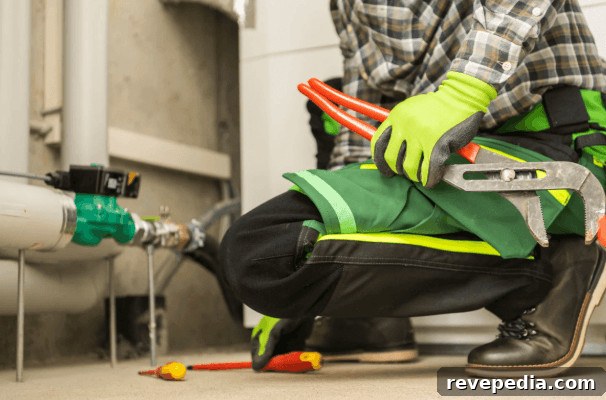
Why Seasonal Maintenance Matters in Arkansas
Arkansas experiences hot, humid summers and noticeably cooler winters. These seasonal swings place continual stress on home comfort systems. HVAC equipment works harder during peak seasons and can lose efficiency or fail sooner without routine care. Plumbing is also vulnerable: temperature changes can reveal leaks, affect water pressure, and accelerate wear on fittings and valves.
Preventive maintenance reduces the risk of sudden failures and often lowers overall repair costs. Regular service improves energy efficiency, keeps systems operating reliably, and contributes to healthier indoor air for residents.
Spring HVAC & Plumbing Maintenance Checklist
Spring is the ideal time to prepare HVAC and plumbing systems for warmer weather and heavier use.
HVAC Tasks for Spring
- Replace air filters to maintain proper indoor airflow and protect equipment.
- Set and program thermostats for summer schedules to improve efficiency.
- Clear leaves and debris from outdoor condenser units to ensure proper airflow.
- Verify refrigerant levels and inspect the system for leaks or performance issues.
- Check ductwork for leaks or disconnected sections that can reduce cooling efficiency.
- Schedule professional air conditioner service before the hottest months arrive.
Plumbing Tasks for Spring
- Inspect outdoor faucets, hoses, and sprinkler systems for winter damage.
- Check under sinks for leaks or moisture that could cause cabinet damage.
- Measure water pressure to ensure it’s within a safe range for pipes and appliances.
- Clean drains and traps to remove buildup and prevent odors or slow drainage.
- Flush sediment from the water heater to maintain efficiency and extend its life.
Professional inspections and tune-ups in spring help ensure systems are ready for higher cooling demands and reduce the chance of mid-summer failures.
Summer Maintenance Tips for Peak Performance
Summer maintenance focuses on keeping cooling systems efficient and plumbing reliable during peak usage and heavy weather.
HVAC Summer Checklist
- Keep vents and registers clear of obstructions so cool air reaches every room.
- Maintain clear space around outdoor units to ensure proper air intake and circulation.
- Watch for unusual noises, odors, or reduced airflow that could indicate a problem.
- Use programmable or smart thermostats to reduce runtime and lower energy bills.
- Replace or clean filters regularly—monthly when usage is high—for best performance.
Plumbing Summer Checklist
- Inspect washing machine hoses and connections to prevent sudden flooding from failure.
- Check sewer and main lines for signs of backup or slow drainage.
- Monitor water use to catch hidden leaks early.
- Test the sump pump and ensure it has power and a clear discharge path before storm season.
Routine summer checks and timely repairs prevent unexpected breakdowns during high-demand periods and keep cooling systems operating efficiently.
Fall Preparation Checklist for Heating & Plumbing Systems
Fall maintenance prepares homes for colder weather and helps avoid heating-season emergencies.
HVAC Fall Maintenance
- Test furnaces and heat pumps before cold weather arrives to confirm reliable operation.
- Inspect heat exchangers, burners, and safety controls for proper function.
- Seal drafts around doors and windows to reduce heat loss and lower heating bills.
- Clean vents and ensure ventilation pathways are clear for balanced airflow.
- Schedule a professional heating system tune-up for optimal winter performance.
Plumbing Fall Checklist
- Insulate exposed pipes to reduce the risk of freezing when temperatures drop.
- Drain outdoor lines and shut off exterior water when appropriate to prevent freeze damage.
- Service the water heater to ensure a reliable supply of hot water through winter.
- Inspect visible plumbing for signs of leaks or corrosion and address issues early.
Having furnaces tuned and plumbing inspected in fall reduces the chance of winter failures and emergency repairs.
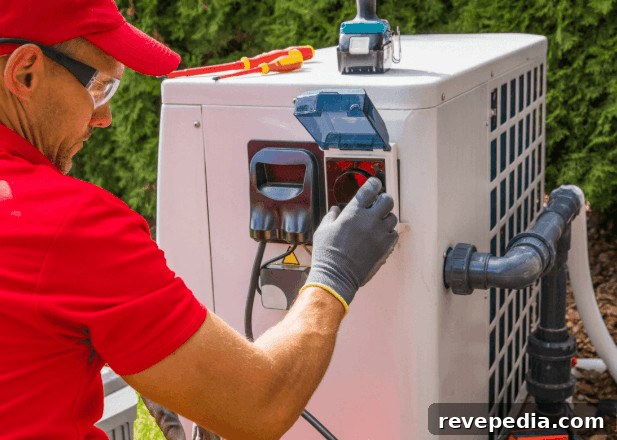
Winter Maintenance Tips to Prevent Emergencies
Winter maintenance helps protect HVAC and plumbing systems from the effects of sustained cold weather.
HVAC Winter Checklist
- Clean or replace filters so heating systems aren’t restricted by dust and debris.
- Check thermostats for accuracy to maintain consistent, comfortable temperatures.
- Keep interior vents open to ensure even heat distribution throughout the home.
- Listen for unusual furnace noises that could indicate mechanical issues needing service.
- Maintain proper indoor humidity to protect wood furniture and reduce static.
Plumbing Winter Checklist
- Prevent frozen pipes by allowing faucets to drip during extreme cold and insulating vulnerable lines.
- Open cabinet doors under sinks to allow warmer room air to circulate around plumbing.
- Monitor the water heater, which may run more frequently in cold months, and service as needed.
- After thawing, check for leaks that may have developed in weakened pipes.
Winter weather raises the likelihood of HVAC and plumbing emergencies. Regular maintenance and early repairs help detect minor issues before they become costly failures.
Signs It’s Time to Call a Professional
Homeowners should be alert for warning signs that indicate professional attention is needed. Common red flags include:
- Rising utility bills that suggest systems are losing efficiency.
- Uneven temperatures between rooms, indicating distribution or zoning problems.
- Unusual HVAC noises, which can point to worn or failing components.
- Low water pressure that may signal clogs, corroded pipes, or hidden leaks.
- Frequent drain backups, possibly indicating deeper blockages in sewer lines.
- Visible leaks or persistent moisture, which can quickly damage structure and finishes.
- Poor indoor air quality from dusty ducts or mold, causing respiratory discomfort.
Scheduling seasonal professional inspections prevents small issues from developing into expensive repairs and helps homeowners protect their investment while maintaining safety and comfort.
Final Thoughts
Consistent, year-round maintenance preserves the reliability and efficiency of home HVAC and plumbing systems. Prioritizing preventive care over reactive repairs saves money, avoids inconvenient emergencies, and ensures a comfortable, safe living environment for the whole family.
Local service providers—like Central Arkansas Service Company—offer experienced technicians who can handle seasonal tune-ups, inspections, and repairs. Professional maintenance extends equipment life, improves performance, and gives homeowners peace of mind through every season.