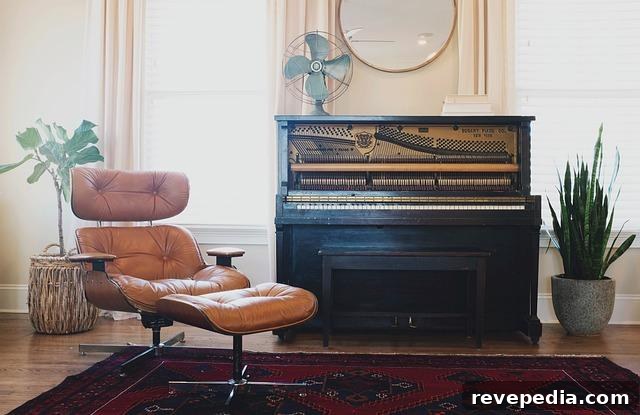
Updating a room doesn’t require tearing down walls or buying all new furniture. Often the quickest way to improve comfort and style is to start from the ground up. The right area rug can define open spaces, soften hard floors, and give a room a polished look without a major investment.
Many homeowners use rugs to add personality to spaces that feel unfinished or too plain. Contemporary brands have popularized layered textures, relaxed coastal influences, and versatile home décor that works in both modern and traditional interiors.
Choose the Right Rug Size First
One of the most common decorating mistakes is choosing a rug that’s too small for the room. A properly sized rug anchors furniture and creates a sense of balance throughout the space.
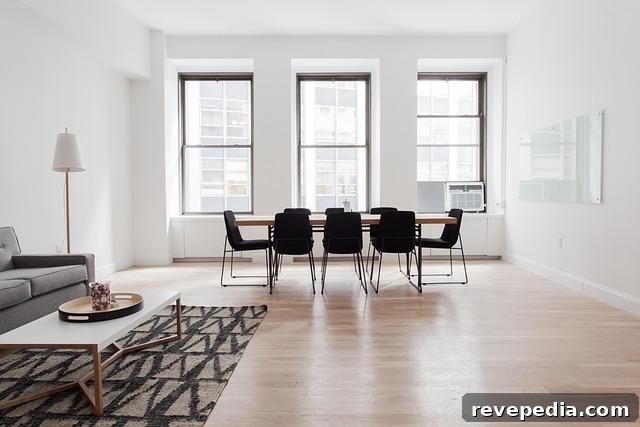
In living rooms, the front legs of sofas and chairs should sit comfortably on the rug. In dining rooms, the rug should extend beyond the table so chairs can be pulled out without catching on the edges. Bedrooms often benefit from larger rugs that extend beyond the bed’s sides, making the room feel softer and warmer underfoot.
Before shopping, use painter’s tape to mark potential rug dimensions on the floor. This visual guide helps you see how a rug will fit in the space and prevents costly sizing mistakes.
Materials Make a Big Difference
Different rooms call for different rug materials. High-traffic areas like entryways, hallways, and family rooms need durable fibers that withstand daily wear. Wool remains a popular choice because it’s resilient, relatively easy to clean, and naturally resistant to stains.
Synthetic fibers can be an excellent option for homes with pets or children. Modern synthetics mimic natural textures while offering strong resistance to spills, fading, and heavy use.
For bedrooms and reading nooks, softer textures create a cozy and relaxing atmosphere. Plush rugs add warmth to larger rooms and make them feel more inviting.
Use Rugs to Define Open Spaces
Open floor plans are popular, but large rooms can sometimes feel empty or disconnected. Rugs are an effective way to visually separate areas without adding walls or bulky dividers.
A rug under the dining table instantly defines an eating area. In expansive living spaces, multiple rugs can delineate seating zones, a home office, or an entertainment corner, giving each function a clear footprint.
Outdoor rugs have grown in popularity, too. Weather-resistant designs can transform patios, decks, and covered porches into comfortable extensions of indoor living.
Add Color and Texture Without Overdoing It
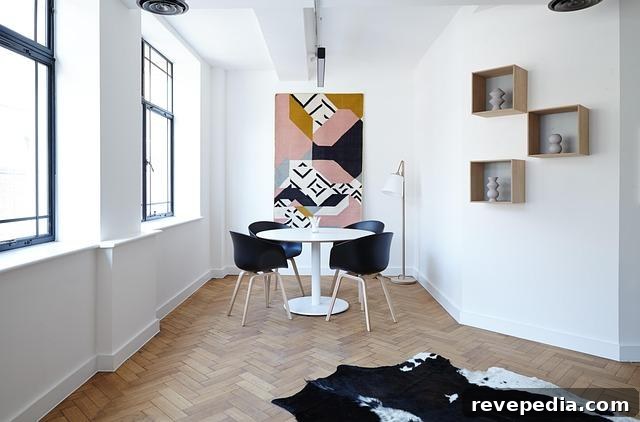
Rugs provide an easy, low-commitment way to experiment with color and pattern. Neutral rugs offer flexibility and blend easily with changing décor, while bold patterns can inject energy and personality into a space.
Texture plays a major role in visual interest. Layering rugs with different materials and patterns is a popular trend because it adds depth without overwhelming the room. Combining a flat-weave rug with a softer, high-pile layer introduces contrast and dimension.
If furniture or walls already feature bold patterns, a simple rug usually works best. In more neutral rooms, a statement rug can serve as the focal point and bring the overall design together.
Keep Rugs Looking Their Best
Regular maintenance extends a rug’s life. Frequent vacuuming removes dirt that can wear down fibers. Rotating rugs every few months prevents uneven fading and wear patterns from foot traffic and sunlight.
Washable rugs are increasingly popular because they offer convenience for busy households. They’re particularly practical in kitchens, mudrooms, and homes with pets or young children.
For high-quality rugs, professional cleaning every year or two helps maintain appearance and durability, removing deep-set dirt and restoring texture.
Final Thoughts
Home improvements don’t always mean major remodeling projects. Small, thoughtful changes can have a big impact. The right rug adds warmth, comfort, texture, and definition, helping to tie a room together and elevate the overall design.
With careful sizing, appropriate material choices, and simple maintenance, a rug can transform how a space looks and feels while offering one of the most cost-effective design upgrades for any home.