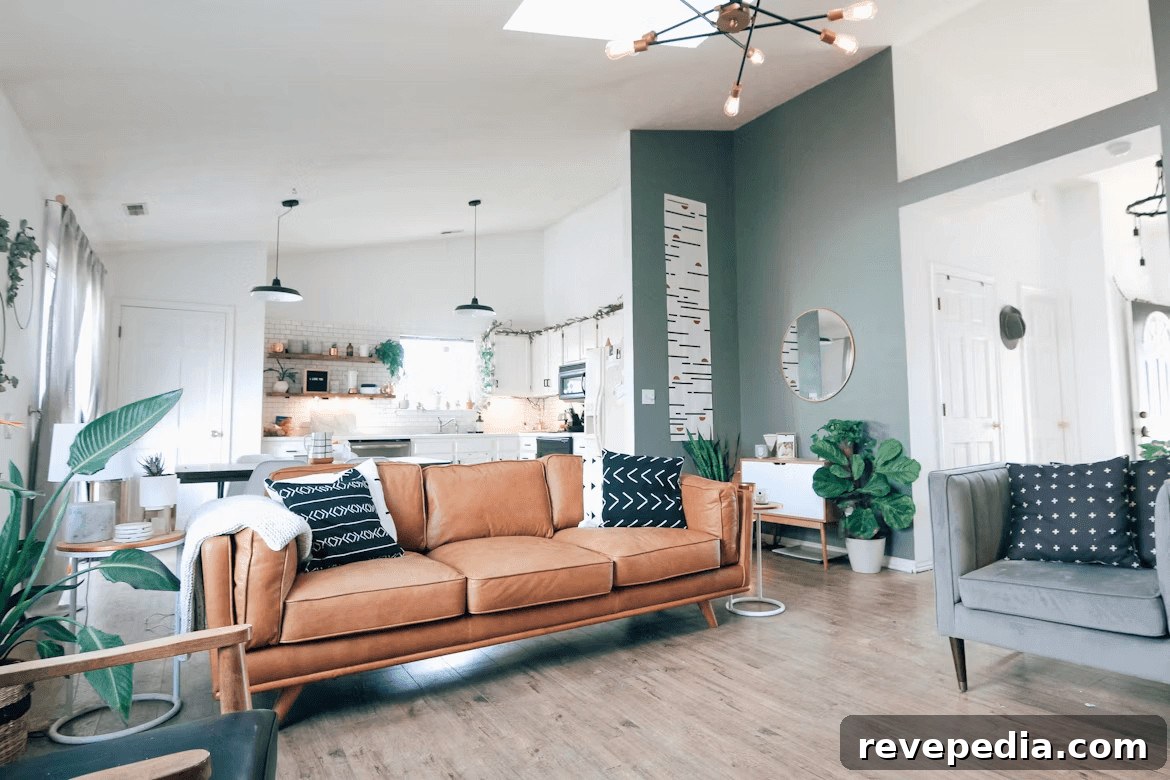
A part-time or secondary home often develops its own gravity, attracting duplicates and extras from your main residence: spare toiletries, mismatched linens, half-used pantry items, forgotten chargers, and “just in case” purchases picked up on the way. At first, these additions feel practical—an extra toothbrush here, a backup towel there—but gradually the house fills with more than it needs. Instead of being a calm place to land, it starts to require attention the moment you arrive.
Your away-home should do the opposite: reduce decisions, minimize visual clutter, and use simple systems that make arrival, rest, and departure easier. Whether it’s a second home, a family retreat, a seasonal property, or a guest-ready place, the best part-time homes are organized around how people use them, not around excess items.
Why Part-Time Homes Become Catchalls
Part-time homes have a different rhythm than primary residences. Long stretches pass with no one checking closets or drawers, allowing small overflows to go unnoticed. Then, when people arrive, the space is used intensely for a short period and emptied again without a reset. That stop-and-start pattern creates clutter quickly—trash bags go missing, towels get mixed with blankets, and multiple versions of the same pantry item accumulate.
When every cabinet holds a bit of everything, the house begins to feel busier than it is. The solution is to treat organization as foundational—alongside lighting and storage—so the home feels calm before anyone unpacks a bag. Clear systems reduce stress and streamline every stay.
Start With the Away-Home Audit
Before buying bins or labels, decide what the home should support. Is the goal a quiet retreat, a lively family hub, a remote-work escape, or a guest-ready rental? Clarifying purpose guides every organizational choice.
Sort belongings into three groups: keep, duplicate, and remove. Keep only what truly belongs there. Duplicate a short list of essentials that make arrivals easier—chargers, coffee filters, sunscreen, basic cleaning supplies, and pantry staples. Remove overflow that migrated from your primary home simply because there was room. Extra space is not a storage plan; it’s an invitation to be intentional.
Create Zones for Arrival, Reset, and Restock
Design the home around moments, not just categories. Start with an arrival zone: a single landing place for items people need within the first five minutes—keys, Wi‑Fi details, chargers, flashlights, sunscreen, bug spray, and a brief note about any house quirks. A tidy, predictable landing spot sets a calm tone.
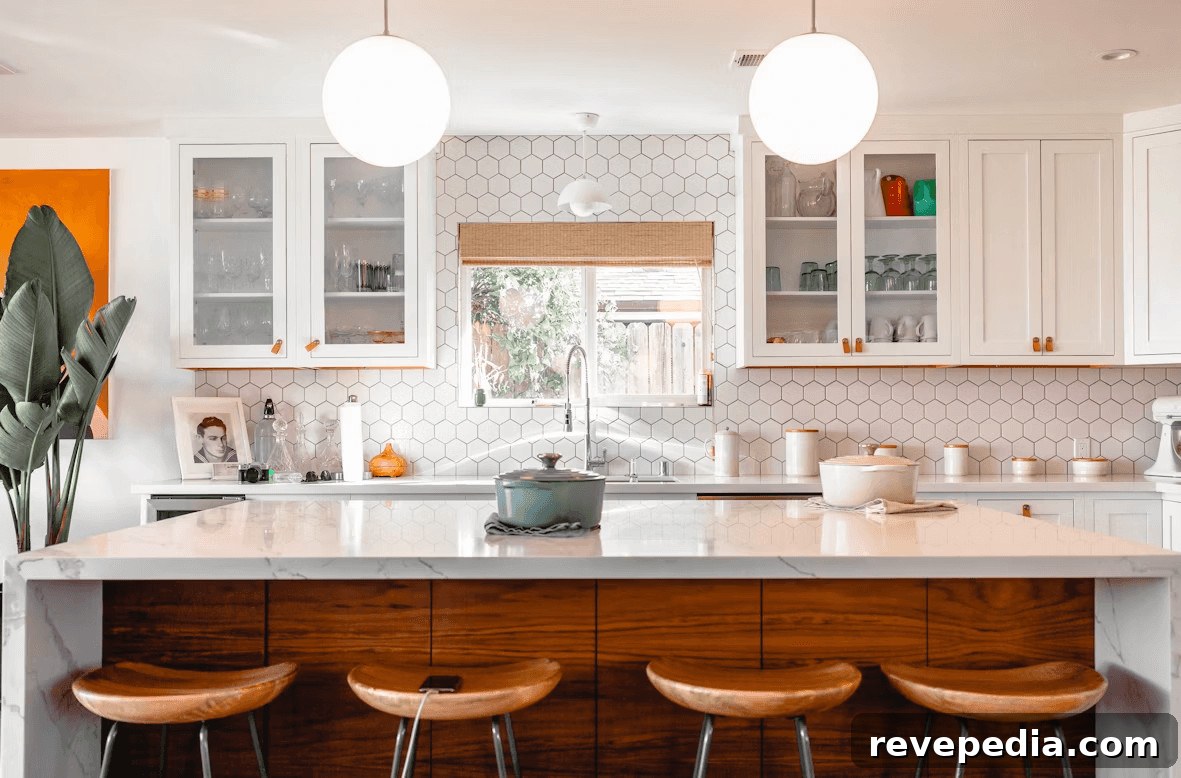
Next, create a reset zone stocked with extra towels, spare sheet sets, laundry supplies, trash bags, paper goods, and basic cleaners. Keep this area visible, pared down, and clearly labeled so the house can be refreshed quickly without opening every closet.
Finally, establish an owner-only zone: a locked closet, cabinet, or labeled bins for personal items, seasonal gear, maintenance tools, and sentimental objects that guests shouldn’t access. This boundary preserves shared spaces and prevents unnecessary rummaging.
Plan Before the Home Starts Working Harder
Some away-homes remain personal for years; others evolve into family hubs, guest accommodations, or income properties. That change can be gradual—a friend borrows the place, a relative stays longer, or renting begins to feel feasible. Before the house takes on a bigger role, plan practical layers.
Choose durable furniture and finishes that stand up to frequent use and are easy to clean. Make storage intuitive and accessible. Design maintenance access so it doesn’t require clearing out a closet. If you’re considering a rental or more formal hosting setup, research short-term rental loans and financing options to understand what upgrades are realistic before investing in supplies or equipment. Plan first, then organize around actual use.
Build in Safety Before Style
Style matters, but safety comes first. Keep a clearly labeled area for a first-aid kit, flashlights, spare batteries, emergency contacts, and concise instructions for the property. Make sure smoke and carbon monoxide alarms, and fire extinguishers are easy to find and simple to use.
For homes used by guests or renters, review vacation and short-term rental fire safety guidance and incorporate those basics into your regular reset routine. Safety should be a visible, reliable part of the system—not something you hope someone remembers.
Style the System So It Feels Effortless
With practical systems in place, make the home feel calm and intentional. Use matching bins where they’re visible, clear labels where they help, and open space where the eye needs a rest. A part-time home should never read like a storage unit dressed in nicer furniture.
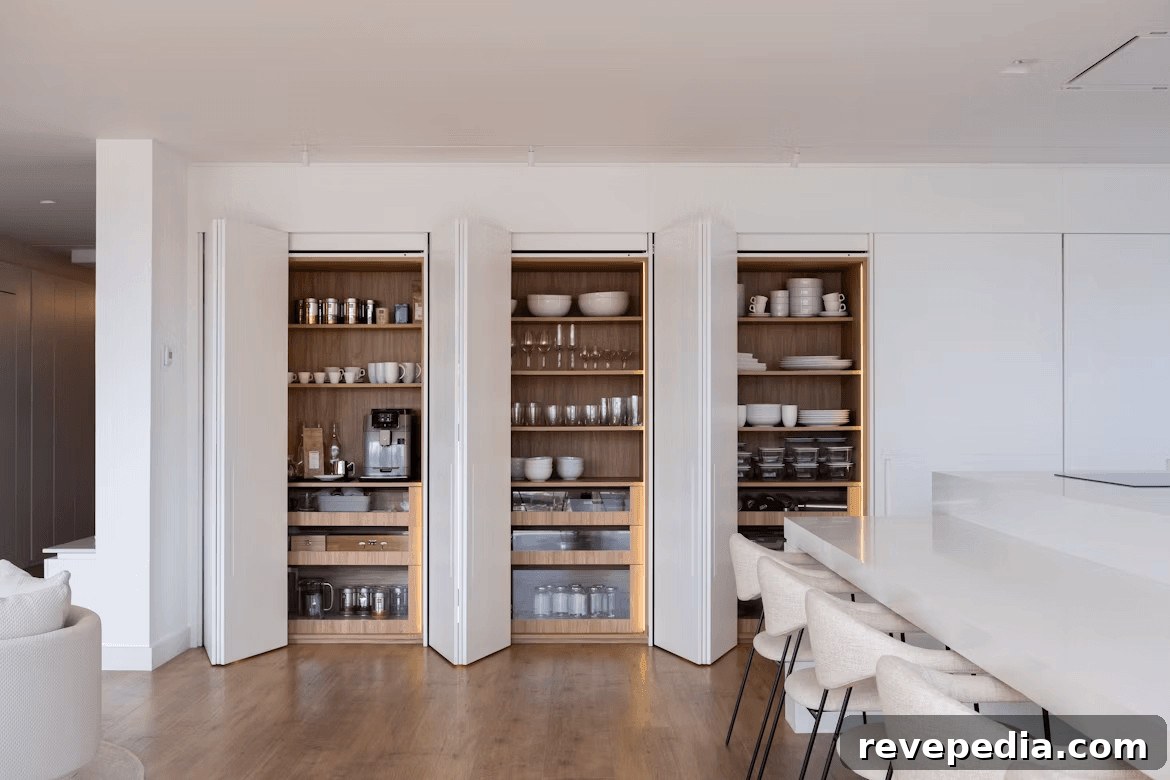
Do a final edit with a visual sensibility: remove duplicate mugs that never get used, let go of extra blankets that serve no purpose, and clear surfaces that habitually collect random items. Give every category a logical home that someone unfamiliar with the system can understand.
An effective away-home feels ready without being staged. It welcomes you back without demanding immediate decisions, is simple to reset without a full-day project, and supports why you chose it in the first place: to step away from the everyday, settle in quickly, and leave the house as calm as you found it.