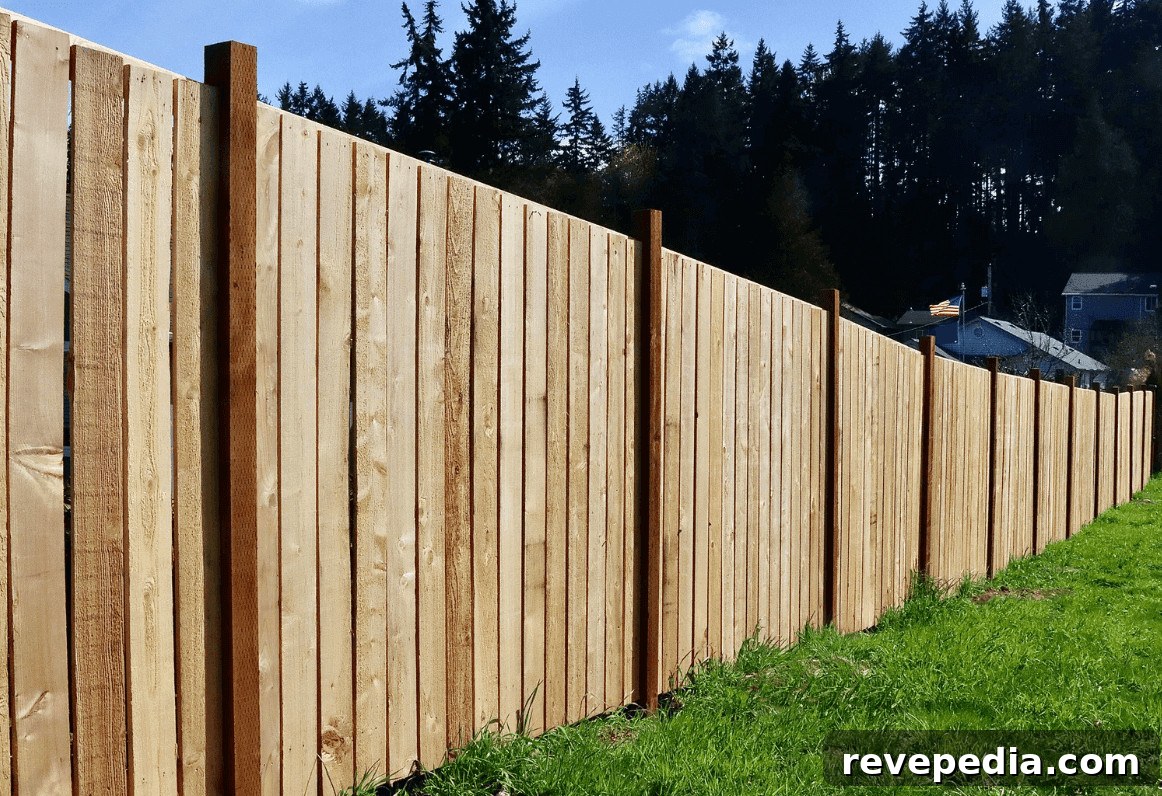
A thoughtfully chosen yard fence transforms a home’s appearance and atmosphere. Selecting the right perimeter style adds character, clarifies property lines, and enhances curb appeal. Wood remains one of the most popular materials for backyard boundaries because of its natural warmth, versatility, and ability to complement many architectural styles. With the right design and materials, you can create a durable, attractive fence that suits your property.
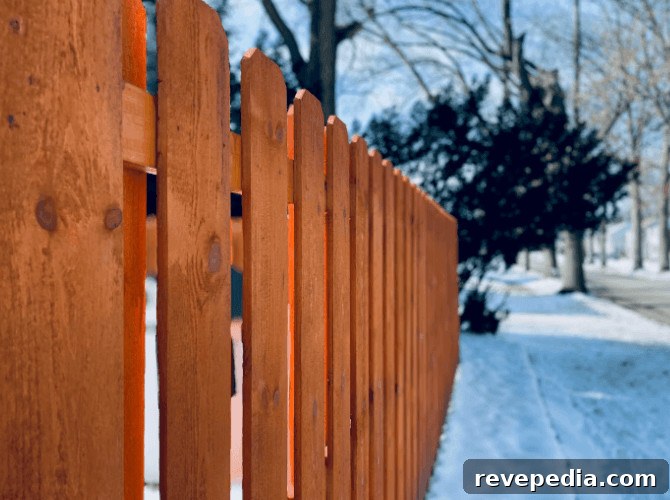
Classic Picket Designs for Front Yards
Picket fences provide a timeless, welcoming edge to front yards and traditional homes. Their open design defines boundaries without blocking sightlines, keeping neighborhoods feeling friendly and connected. You can vary picket spacing to suit your preference; around three inches between pickets maintains an airy feel while still marking the property.
Finishes affect both look and longevity. A crisp white paint is a classic choice that brightens the facade, while clear or semi-transparent stains showcase the wood grain and reduce the appearance of wear. Decorative top shapes, such as scalloped or arched pickets, add visual interest along a street-facing line and can increase curb appeal with only a small design change.
Complete Privacy with Vertical Planks
When backyard privacy is the priority, full-height vertical plank fences are an excellent solution. Board-on-board and tongue-and-groove layouts eliminate sight gaps and help maintain privacy even as wood naturally shrinks and expands with seasonal changes. This type of fence also performs well as a wind and noise barrier, creating a calm, secure outdoor living area.
A shadowbox or staggered vertical design offers a balanced approach by appearing attractive from both sides of a shared property line. That symmetry can be important where neighbors share a boundary and wish to preserve a neat view. Solid vertical panels also give a sturdy backdrop for gardens, patios, and play areas.
The Modern Appeal of Horizontal Slats
Horizontal slat fencing delivers a modern, streamlined aesthetic that works especially well with contemporary homes. Running boards horizontally can visually widen narrow yards and emphasize clean architectural lines. Choose wider boards for a bold, dramatic look or narrower slats for a more refined, textured appearance.
Spacing between slats lets you control light, airflow, and privacy. Tight-spacing maximizes seclusion, while small gaps allow light and breeze to filter through, reducing the feeling of confinement. Mixing board widths or alternating patterns adds a custom, eye-catching element that sets your fence apart.
Lattice Top Panels for Elegant Accents
For homeowners who want both privacy and decorative detail, combining a solid lower panel with a lattice or decorative top offers a versatile solution. Lattice tops let sunlight reach garden beds while providing a structure for climbing plants and vines, helping the fence blend into the landscape.
Diagonal or square lattice patterns can suit different design goals: diagonal lattices lend a classic, cottage-style charm, while square grids feel cleaner and more contemporary. Leaving an open, patterned top reduces the visual weight of a tall fence and keeps the yard feeling welcoming rather than imposing.
Post and Rail Styles for Open Spaces
Large properties, farms, and rural homes often favor open fencing that defines land without blocking expansive views. Post and rail and split-rail fences frame fields and pastures while preserving sightlines to hills, trees, or distant horizons. These options deliver a rustic, natural aesthetic that complements open landscapes.
Common configurations include two-rail setups for low boundaries, three-rail systems for standard containment, and four-rail layouts for added strength. For added functionality, a wire mesh backing can be installed to keep smaller animals secure without changing the open look. These fences typically require less material and install more quickly over long distances than full privacy walls.
Choosing the Best Lumber Types
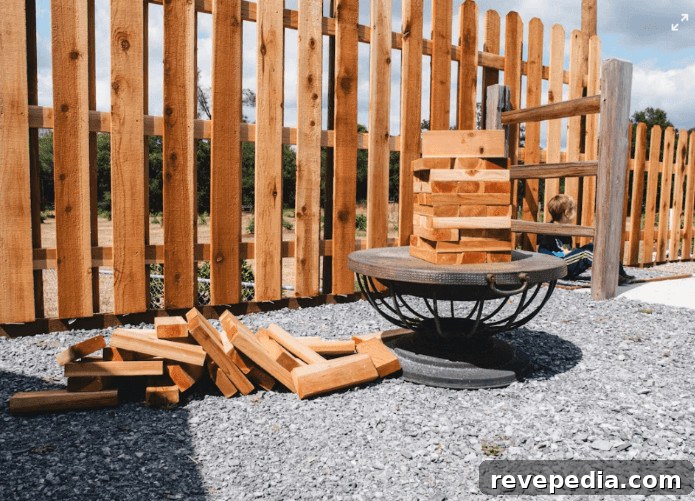
Choosing the right wood species is key to a long-lasting fence. Factors to weigh include natural resistance to rot and insects, availability in your region, cost, and maintenance needs. Cedar is a popular choice for fencing because it contains natural oils that help resist decay and insect damage, and it tends to remain stable with seasonal moisture changes. Pressure-treated pine is often more budget-friendly for larger projects; chemical treatment helps protect it from fungal decay and pests.
When selecting lumber, consider these practical factors:
- Durability and resistance to moisture or pests
- Local availability and cost of the wood species
- Long-term maintenance: staining, sealing, and repairs
- Desired look and how it will age over time
Investing in quality materials, proper installation, and routine maintenance will reduce repair costs and extend the life of your fence, keeping your property looking good for years.
Strategic Placement and Property Lines
Before installing any permanent fence, confirm your property lines to avoid future disputes. A professional survey marks official boundaries and clarifies which side of the line you should place posts. Check local zoning and homeowner association rules for height limits and setback requirements; front-yard fences often have stricter regulations than backyard panels.
Common practice places posts inside the property line and presents the smooth, finished side of the fence toward the street to maintain a tidy neighborhood appearance. Also plan for gates, post spacing, and drainage to avoid water pooling at the base of the fence and to ensure convenient access to outdoor spaces.
Maintenance Tips and Final Thoughts
Routine care helps wood fences last longer and stay attractive. Apply high-quality stains or sealants every few years to protect against sun and moisture, tighten or replace hardware as needed, and inspect posts for signs of rot or movement. Properly maintained fences not only serve their functional purpose but also add value and visual appeal to your property.
Whether you prefer classic pickets, solid privacy panels, sleek horizontal slats, or open post-and-rail fencing, wood offers design flexibility to match nearly any home style. Thoughtful material selection, correct placement, and timely maintenance will ensure your fence enhances your landscape and serves your needs for many seasons to come.