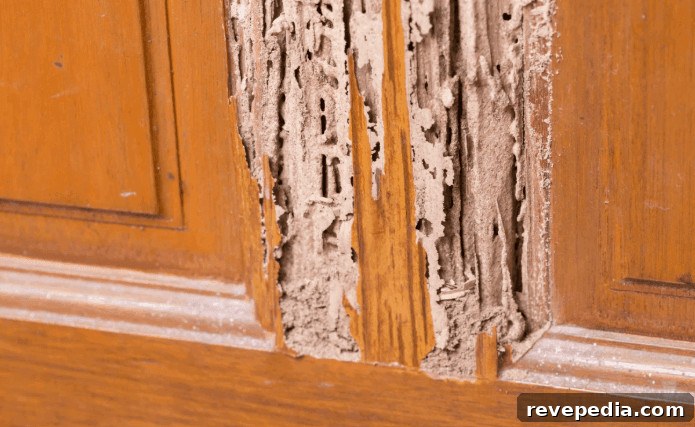
Termites in the United States cause more than five billion dollars in property damage each year. In many cases, that damage results not from nature alone but from inadequate or negligent pest control — whether because homeowners declined proper service, contractors performed ineffective work, or companies falsified records. When treatment fails and structural harm follows, homeowners may have legal options to recover repair costs, lost property value, and other damages.
Some failures are straightforward: a company might under-dose a chemical barrier, skip required drilling and injection points, or omit follow-up inspections. In other instances, companies have been found to falsify customer records or issue clearance reports despite ongoing infestations. Whether the homeowner has a viable claim, and what kind, depends on the facts, the contractual terms, and the applicable state law.
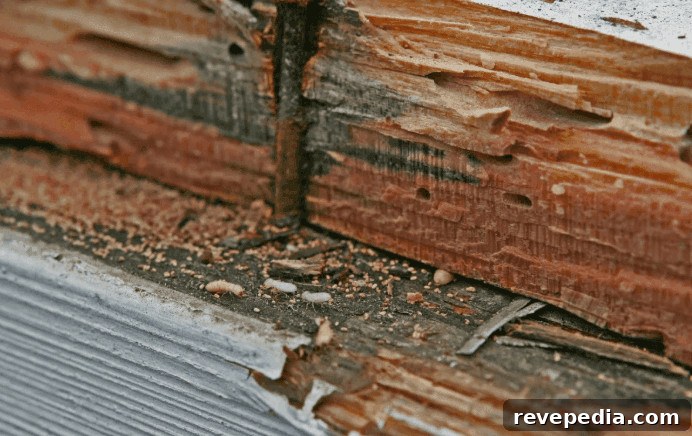
Three Common Legal Theories After Termite Treatment Fails
Legal claims stemming from termite treatment failures typically fall into three categories: negligence, breach of contract (often involving a termite bond), and fraud or misrepresentation.
- Negligence: A claim that the pest control company failed to perform services at the industry standard — for example, not applying a label-compliant termiticide, using inadequate volumes, or skipping necessary steps. To succeed you must show duty, breach, causation, and measurable damages.
- Breach of contract: Arises when a written agreement—such as a termite bond or service contract—promises inspections, retreatment, or repairs and the company fails to honor those promises.
- Fraud or misrepresentation: Occurs when a seller or a contractor knowingly conceals termite damage, issues a false clearance report, or misleads a buyer or homeowner about the condition of the property.
These causes of action often overlap. For example, a homeowner who purchased annual treatment under a service contract and later discovered structural damage might pursue both negligence and breach of contract claims against the pest control provider.
Negligence: Proving the Treatment Fell Below the Standard of Care
Federal and state pesticide regulations require that pest control professionals follow product label instructions and proper application techniques. When a provider dilutes a product improperly, fails to establish a continuous liquid barrier, or omits required injection points, those actions can support a negligence claim.
Proving negligence typically requires expert testimony. Entomologists and structural engineers can help establish when the infestation began, whether the damage pattern matches a treatment failure, and whether the company’s work met accepted practices. Causation is often the most contested issue; companies commonly argue that the infestation was new, that coverage was voided by a particular condition, or that termites entered through an untreated area. Clear, professional documentation and independent expert opinions strengthen a homeowner’s position.
Termite Bonds and Contractual Remedies
A termite bond is a common service contract between a property owner and a pest control company. Bonds usually require annual inspections, retreatment upon discovery of activity, and sometimes repair of damage that appears during a coverage period. When live termites or structural damage occur despite a bond, the company is often the first target for recovery.
Pest control companies often defend against breach claims by relying on contract exclusions, limiting coverage to certain termite species, building areas, or construction types. Some agreements include arbitration clauses requiring disputes to be resolved out of court. The enforceability of exclusions and arbitration clauses depends on the specific contract language and state law.
The most important evidence in a bond dispute is the contract and the company’s records: the full service agreement, inspection reports, treatment logs, invoices, and all communications. Missing or incomplete records can themselves be evidence of inadequate service.
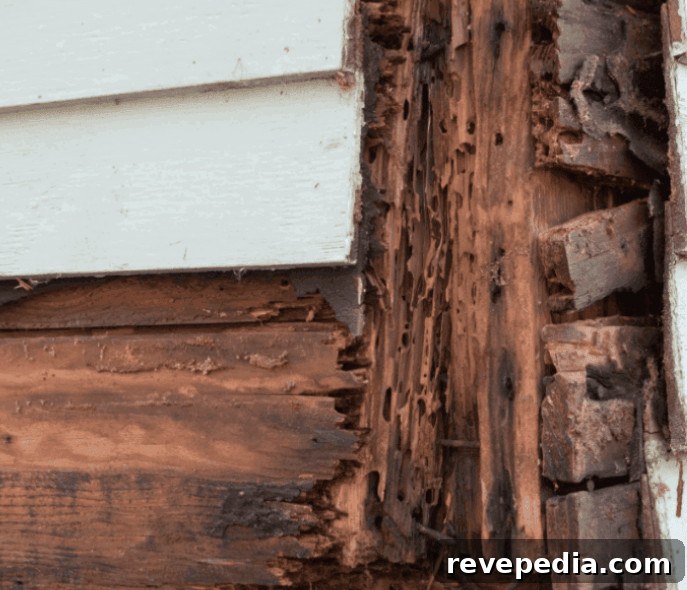
Pre-Purchase Inspections and Seller Disclosure Issues
Many termite claims arise during real estate transactions. State disclosure forms commonly require sellers to report known infestations and past damage. At the same time, Wood Destroying Insect Reports used in sales are expected to reflect real inspections and accurate findings. When sellers intentionally hide termite damage or when inspectors issue inadequate clearance reports, the buyer may have claims for fraud, misrepresentation, or professional negligence.
Because buyers often rely heavily on clearance reports to move forward with a purchase, a misleading or careless report can create a direct causal link between the professional’s failure and the buyer’s subsequent losses. Buyers and sellers should keep inspection reports, repair estimates, and all related communications to document what was known and when.
Federal regulation of pesticides falls to the Environmental Protection Agency, while state pesticide licensing boards oversee licensing and enforcement at the state level. Homeowners who suspect regulatory violations can submit complaints to state boards; those complaints may be useful supporting evidence in a lawsuit.
Recoverable Damages in Termite Cases
The primary measure of damages is normally the cost to repair the structural harm caused by termites. This requires professional assessment to determine the full scope of damage and the necessary repairs. In addition to repair costs, homeowners may be able to recover a diminution in property value, temporary living expenses, storage costs, and the expenses of additional treatments.
In claims involving fraud or particularly egregious conduct, some states allow punitive damages intended to punish and deter. Availability and standards for punitive damages vary widely by state.
Evidence and Timing Matter
Homeowners who find live termites after a treatment often assume the company will simply re-treat at no charge. While many contracts include re-treatment terms, re-treatment does not compensate for damage that accumulated between the failure and discovery. Successful legal claims focus on proving the damage that occurred as a result of the treatment failure and tying that harm to the defendant’s conduct.
Collect and preserve key documents before making major repairs: the service contract, inspection reports, treatment logs, receipts, photos, and independent expert evaluations. These materials are crucial for proving causation and quantifying damages. Without clear documentation and expert support, it is difficult to establish when an infestation began and how much of the loss resulted from the treatment failure rather than preexisting conditions.
Homeowners facing significant termite damage should consider consulting an attorney experienced in pest control disputes and construction or property damage claims. A skilled lawyer can assess the strongest legal theories, gather the right experts, and help determine the best route to recover repair costs, diminished property value, and other damages.