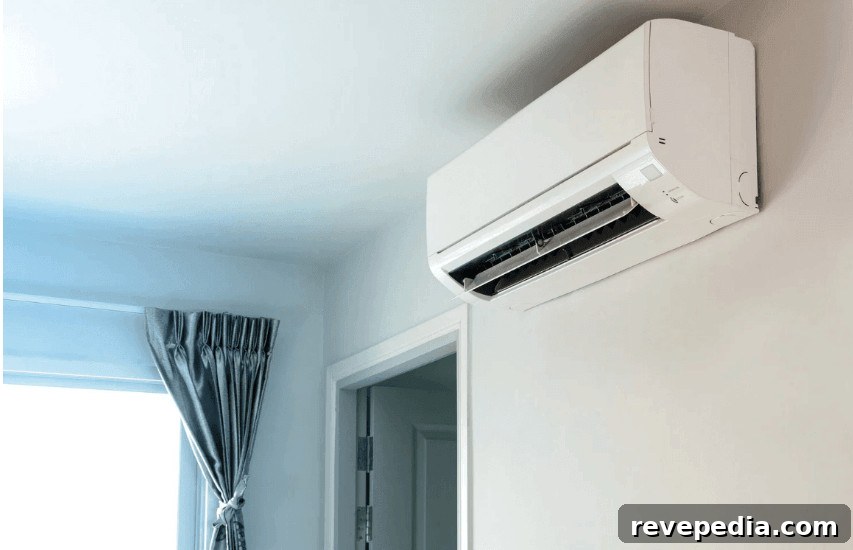
Finding the right air conditioner for an apartment improves comfort, lowers energy costs, and ensures efficient cooling without overwhelming limited living space. Apartments present special considerations—smaller rooms, shared walls, building regulations, and restricted installation options—so choosing the correct type and size of unit matters for both tenants and landlords in 2026.
A clear understanding of the common types of apartment air conditioners, their advantages and limitations, and the key features to evaluate will help you make a practical, cost-effective decision.
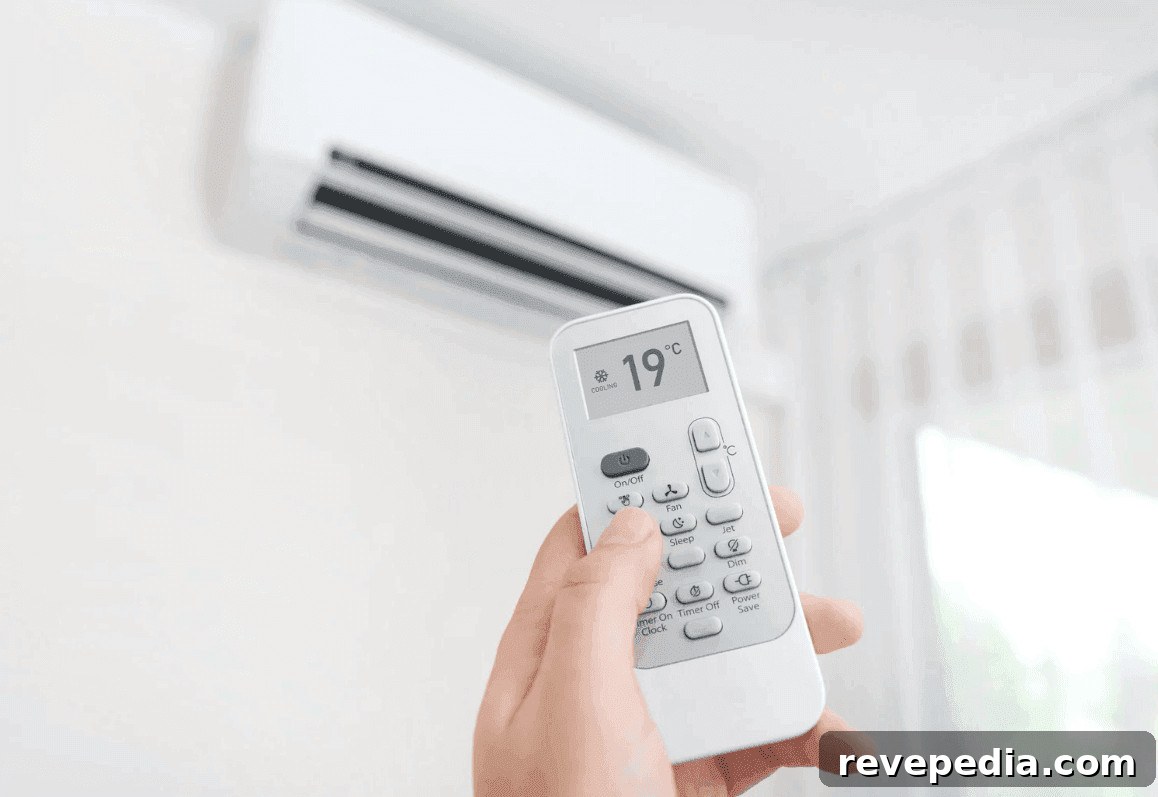
Types of AC Units for Apartments
1. Window Air Conditioners
Window air conditioners are compact, self-contained units designed to fit into a window opening or a dedicated wall sleeve. They are commonly chosen for single rooms or small apartments.
Benefits:
- Low upfront cost compared with more complex systems.
- Relatively simple installation that many renters can handle with landlord approval.
- Good efficiency when properly sized for the room’s square footage.
Considerations:
- Cooling is generally limited to a single room or adjacent space—multiple units may be needed for larger apartments.
- They occupy the window area and can reduce natural light and outside view.
- Some models produce noticeable noise, so check manufacturer noise ratings before buying.
2. Portable Air Conditioners
Portable air conditioners sit on the floor and exhaust hot air through a window kit or a small vent. They are useful when permanent installation is prohibited.
Benefits:
- No permanent alterations to the apartment are required, making them tenant-friendly.
- Can be moved from room to room as needed.
- Often include features like dehumidification and fan-only modes.
Considerations:
- Typically less energy efficient than window or mini-split units for the same cooling capacity.
- Require a window or vent opening for exhaust; venting kits may reduce insulation effectiveness if not fitted properly.
- They occupy floor space and may feel bulky in small rooms.
3. Split or Ductless Mini-Split Systems
Ductless mini-split systems consist of an indoor air-handling unit and an outdoor compressor linked by refrigerant lines. They are an increasingly popular solution for apartments that permit installation.
Benefits:
- Quiet, efficient operation with good temperature control for individual rooms or zones.
- No ductwork is required, avoiding the energy losses that ducts can create.
- Many models provide both heating and cooling, extending seasonal usefulness.
Considerations:
- Higher upfront cost compared with window or portable units.
- Professional installation is required to ensure proper refrigerant charging and mounting.
- Indoor units require unobstructed wall space and a small exterior penetration for the refrigerant lines.
4. Central Air Conditioning (When Ducts Are Present)
Some apartments—especially newer or high-end units—come with central air conditioning connected to building ductwork. This offers whole-home comfort but depends on the building’s infrastructure.
Benefits:
- Even, consistent cooling throughout the apartment with minimal visible equipment.
- Quiet operation since major components are typically housed remotely.
- Simple thermostat control for overall comfort management.
Considerations:
- Only available where ductwork already exists; adding ducts is usually impractical for individual apartments.
- Less individual-room control unless the system includes zoning features.
- Operating costs can be higher if you cool the entire apartment when only one or two rooms are occupied.
Key Features to Consider
Selecting the best air conditioner for an apartment requires attention to a few technical and practical details:
- Cooling capacity (BTU): Match the unit’s BTU rating to the square footage and heat load of the room. An undersized unit won’t cool effectively; an oversized unit will cycle frequently and waste energy.
- Energy efficiency (EER/SEER ratings): Look for higher EER (or SEER for split/central systems) to reduce electricity use and lower monthly bills.
- Noise level: Measured in decibels (dB), a lower rating means quieter operation—important in apartments with shared walls or sleeping areas nearby.
- Installation restrictions: Verify building and landlord rules for window units, venting requirements, or modifications before purchasing.
- Maintenance: Choose units with accessible, washable filters and clear drain or condensate management. Regular maintenance improves longevity and efficiency.
Benefits of Proper Air Conditioning in Apartments
- Consistent, comfortable indoor temperatures through hot months and in systems with heat mode, during cooler months.
- Improved indoor air circulation and reduced humidity, lowering the risk of mold growth.
- Potential energy savings when the system is correctly sized and efficient, helping control utility costs.
- Increased tenant comfort and potentially higher property value or renter satisfaction for landlords who invest in quality climate control.
Practical Tips for Owners and Renters
- Measure each room and calculate approximate BTU needs before shopping; many retailers provide size-to-BTU guides.
- Consider portable units when permanent installation is not allowed, and window units where portability is less important.
- Keep filters clean and follow manufacturer maintenance schedules to maintain performance and efficiency.
- Choose models with energy-saving or programmable controls to limit runtime and reduce costs.
- Always consult building management or the landlord before installing any permanent or semi-permanent systems to avoid lease violations.
Conclusion
Choosing the right air conditioner for an apartment involves balancing size, efficiency, noise, cost, and installation constraints. Window and portable units are practical, affordable options for renters or small spaces, while ductless mini-splits and existing central systems offer enhanced comfort and efficiency for larger apartments or long-term stays. By focusing on proper sizing, energy efficiency ratings, and landlord rules, tenants and property owners can create a comfortable, healthy, and cost-effective living environment in 2026.