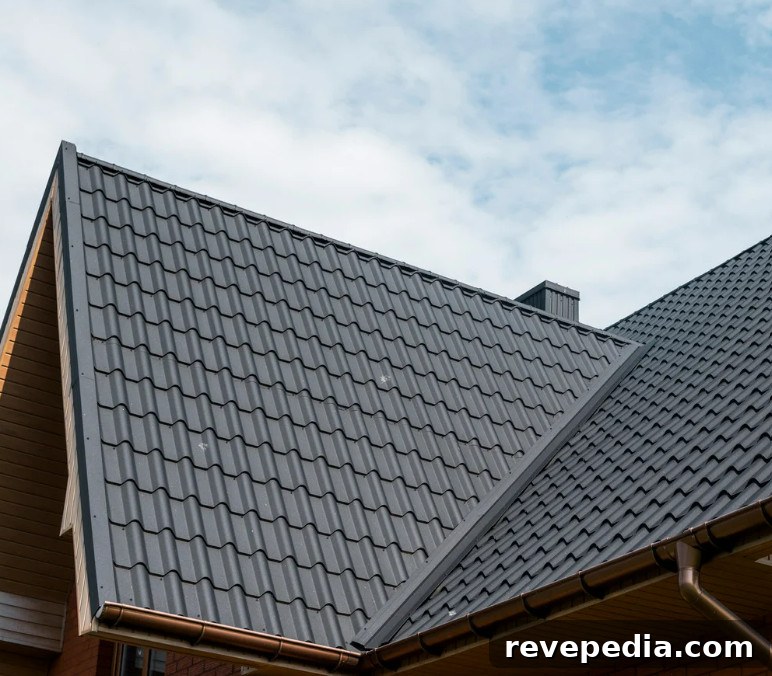
Although roofing technology has advanced, many property owners still choose built-up roofing in 2026. In the Bay Area and other commercial districts, built-up roofing remains a trusted solution because of its proven durability in harsh weather and heavy-use conditions.
Built-up roofing is highly waterproof and can tolerate foot traffic during repairs and routine maintenance. Its cost-effectiveness and long-term performance continue to make it a practical option for commercial properties that require reliable, low-maintenance roofing.
Roofworx has been installing commercial roofing systems in the Bay Area for more than a decade. But is built-up roofing still a worthwhile choice in 2026? Below is an updated, practical look at what built-up roofing offers, its limitations, and how it compares to modern roofing systems.
What Is Built-Up Roofing?
Built-up roofing (BUR) is a traditional multilayer roofing system made from alternating layers of bitumen and reinforcing fabrics, finished with a gravel or aggregate surface. This on-site, layered construction method has been used for over a century and relies on redundancy: multiple waterproof layers protect the roof so that damage to the top surface does not immediately cause leaks.
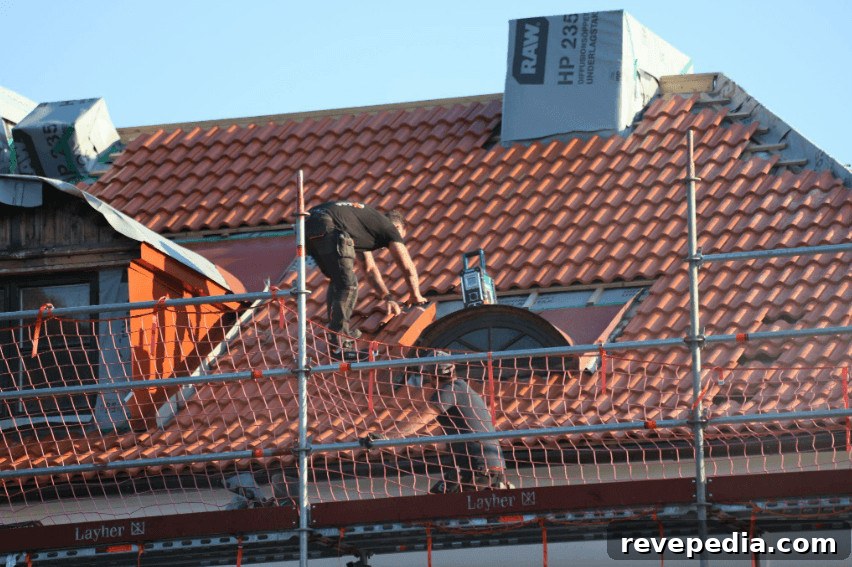
Why Built-Up Roofing Remains Relevant in 2026
Built-up roofing continues to be relevant because it delivers dependable performance for commercial flat roofs. Key advantages include:
- Durability: The aggregate surfacing and multiple reinforcement layers resist wear from weather and foot traffic, protecting the membrane beneath when technicians access rooftop equipment.
- Fire resistance: Components used in BUR installations are generally fire-resistant, enhancing building safety and code compliance.
- Waterproofing redundancy: Multiple waterproof layers reduce the risk of leaks and extend the service life of the roof.
- Longevity: With correct installation and regular maintenance, built-up roofs commonly last 20 to 30 years.
The Biggest Drawbacks of Built-Up Roofing
While strong in many areas, built-up roofing has trade-offs compared with newer single-ply systems. These drawbacks include:
- Heavy weight: BUR materials are relatively heavy, so roof decks and structures must be capable of supporting the load or reinforced accordingly.
- Labor-intensive installation: On-site layering takes more time and skilled labor than factory-made single-ply membranes, which can affect project schedules and labor costs.
- Potential moisture traps: If the surface layer is compromised, moisture can become trapped between layers and cause degradation over time if not detected and repaired.
- Longer installation timelines: Due to the multi-layer assembly process and curing times, built-up systems generally require more time to install than prefabricated options.
Built-Up Roofing vs. Modern Commercial Roofing Systems
Modern commercial roofing systems tend to be lightweight, factory-manufactured sheets that are installed quickly and offer predictable performance. Two common alternatives to BUR are:
TPO (Thermoplastic Polyolefin): A single-ply membrane composed of thermoplastic and rubber polymers, often reinforced with a polyester scrim. TPO is lightweight, energy-efficient when white or light-colored, and reflects solar heat to reduce cooling loads.
EPDM (Ethylene Propylene Diene Monomer): A durable, synthetic rubber membrane available in large sheets. EPDM is flexible, resists temperature-related cracking, and performs well in colder climates when seams are properly sealed.
Key Factors Commercial Property Owners Should Consider
Choosing the right roofing system requires evaluating building-specific and budgetary factors:
- Building age and design: Older structures may need lightweight systems for structural reasons, while newer projects might prioritize modern aesthetics and energy performance.
- Load capacity: Assess whether the roof deck can support the weight of a built-up system or whether a lighter single-ply membrane is preferable.
- Budget: Built-up roofing can be cost-effective upfront, but consider lifecycle costs, including maintenance and potential reinforcement.
- Local climate: Temperature extremes, UV exposure, and precipitation patterns influence which roof system will offer the best durability and performance.
Additional considerations include local code requirements, sustainability goals, and planned rooftop equipment that may affect roof access and wear.
Maintenance Requirements for Built-Up Roofing
Regular maintenance is essential to maximize service life. Recommended practices include professional inspections at least twice a year and after severe weather events, prompt removal of debris, and re-coating or spot repairs every 5 to 7 years as needed. Early detection of damage prevents minor issues from becoming costly problems.
Conclusion
Built-up roofing remains a viable and practical choice for commercial flat roofs in 2026. Its durability, fire resistance, and strong waterproofing make it well-suited for properties that need robust protection and easy rooftop access for maintenance. However, the system’s weight and installation demands make it important to evaluate structural capacity, project timelines, and long-term goals when deciding between BUR and modern single-ply alternatives.
Experienced contractors, such as those with long-standing local practices, can help assess needs, provide inspection services, and recommend the best roofing solution based on building design, budget, and climate.
What has your experience been with built-up roofing systems?