The design of commercial interiors plays a powerful role in shaping how customers, employees and business partners perceive a company. Retail stores, offices, hotels and showrooms communicate a brand long before any conversation begins, and the visual environment can influence behavior, trust and loyalty.
Because of this, many businesses are investing in visual solutions that refresh and elevate interiors without costly, disruptive renovations. These approaches focus on flexibility, consistency and impact—allowing spaces to evolve with marketing campaigns, seasonal changes and brand updates while remaining fully operational.
The shift toward flexible commercial design
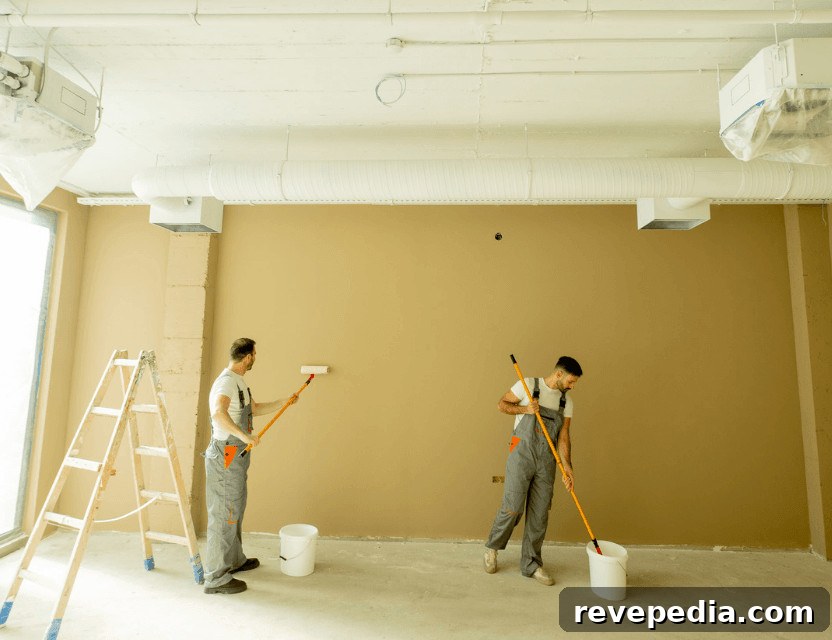
Traditional interior renovations are often expensive and time-consuming and can require business downtime. For many organizations, those constraints make regular updates impractical. With brands evolving faster than ever and competition intensifying, static interiors no longer meet business needs.
Contemporary companies increasingly favor flexible design strategies that can be adapted quickly and affordably. This includes modular furniture, interchangeable signage and display systems that can be updated without structural changes. The goal is to keep spaces fresh, relevant and meaningful without interrupting business operations.
This movement is particularly visible in retail and corporate environments, where seasonal shifts, product launches and rebranding demand frequent visual updates. Rather than undertaking full redecorations, businesses now rely on systems designed for continuous visual change.
Visual impact as a business tool
Interiors are more than aesthetics; they are an extension of marketing and communication. Thoughtful spatial design guides visitors through a space, strengthens brand identity and builds emotional engagement. Properly executed visuals can influence perceptions, support sales and enhance customer experience.
Modern visual systems turn empty walls and surfaces into dynamic communication platforms. These areas can carry branded imagery, storytelling graphics, promotional messaging or environmental visuals that set a space’s tone. Unlike permanent finishes, these graphics can be refreshed to align with campaigns or shifting brand priorities.
Using standardized visual systems also enables consistent messaging across multiple locations while allowing flexibility for local content. This balance ensures a unified brand presence while supporting region-specific promotions or messaging.
Modern display systems in commercial spaces
Tensioned fabric displays and seamless graphic systems are among the technologies driving this transformation. These solutions create smooth, architectural finishes that integrate with interiors more like built elements than traditional signage.
Custom silicone-edge graphic (SEG) frames are popular for their easy installation, clean aesthetic and ability to accept new graphics without altering the building. They are commonly used in reception areas, retail walls, meeting rooms and exhibition spaces where visual presentation is a strategic element of customer experience.
Because these systems support large-format visuals without exposed hardware, they deliver a contemporary, high-end look with minimal renovation work—making them ideal for businesses that want impact without construction.
Branding consistency across multiple locations
Maintaining consistent branding across several sites or franchise locations is challenging. Visual display systems provide a reliable way to standardize look and feel, ensuring customers encounter a familiar environment regardless of location.
By deploying the same core visual elements and templates, companies can preserve a cohesive brand identity while swapping localized content when needed. This approach is especially valuable in retail, hospitality and corporate services, where uniform customer experiences reinforce trust and recognition.
Updating interiors without disruption
One major advantage of contemporary display systems is the ability to refresh interiors with minimal disruption. Traditional renovations often require partial closures or relocation of staff and customers; modular visual components remove that barrier.
Graphics can be changed quickly without affecting structural elements, so spaces remain open and operational during updates. This is particularly useful in high-traffic environments such as shopping centers, hotels and corporate lobbies, where downtime carries significant cost.
Many organizations schedule visual updates to coincide with marketing campaigns or seasonal changes, ensuring interiors consistently support business objectives without construction delays or excessive expense.
Design applications across industries
These systems are versatile and applicable across many sectors. In retail they support promotional displays, feature walls and product storytelling. In corporate spaces they reinforce branding, internal communication and cultural values. Hospitality venues use them to create immersive atmospheres that elevate guest experience, while healthcare and education settings rely on visual systems for wayfinding, information display and environmental graphics.
The adaptability and aesthetic quality of modern display solutions make them suitable for nearly any commercial interior where visual communication matters.
Cost efficiency and long-term value
Although modular display systems can have a higher upfront cost than conventional signage, their long-term savings and return on investment are significant. Because graphics can be updated repeatedly without replacing frames or altering structure, businesses avoid recurring renovation costs.
The ability to refresh messaging frequently supports more agile marketing strategies and reduces lifecycle expenses, delivering strong value for organizations that regularly update branding or promotional materials.
Enhancing customer and employee experience
Interior design directly influences mood, behavior and productivity. A well-conceived visual system improves wayfinding, clarifies messaging and creates a more engaging environment for customers and employees alike.
Clear, attractive visual communication helps customers make decisions and improves overall satisfaction, while consistent branding and thoughtfully designed workplaces reinforce corporate identity and strengthen employee culture. In short, the right visual systems help interiors actively support business goals rather than simply decorate them.