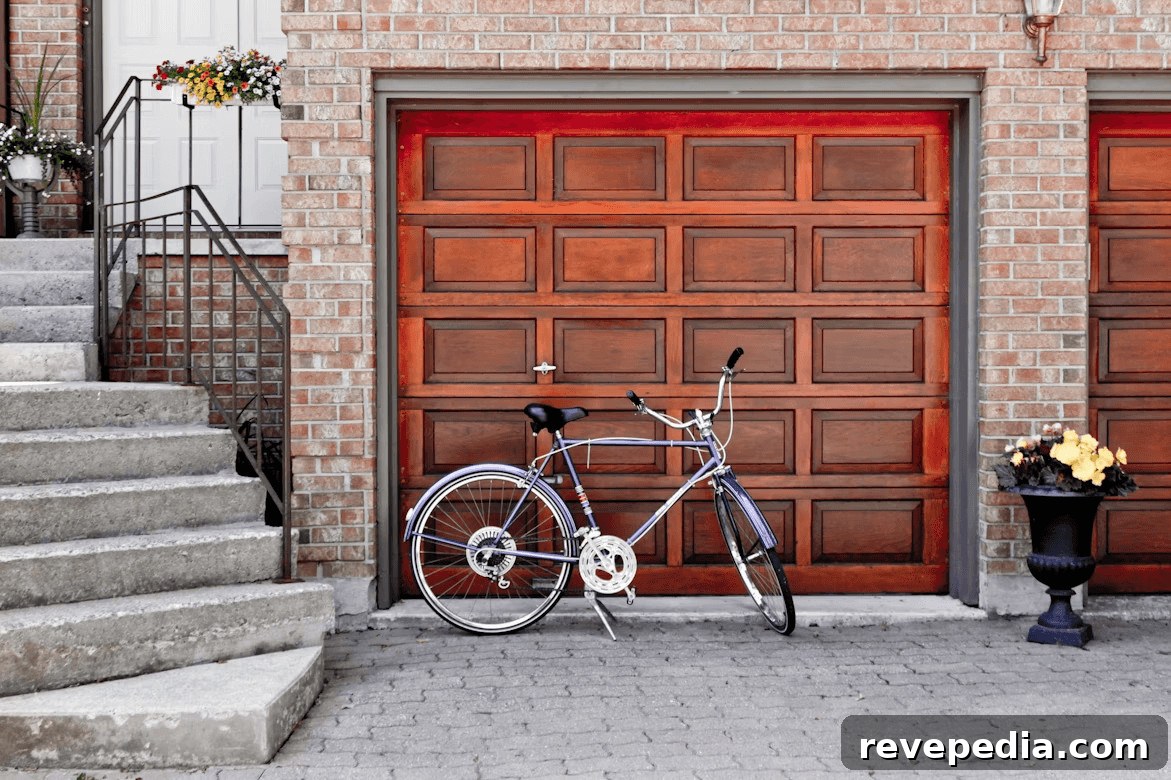
If you’ve been shopping for a new garage door, you’ve probably noticed one style everywhere: the sectional garage door. Walk down many residential streets and you’ll see the same basic design repeated—horizontal panels stacked one above the other that roll smoothly up and overhead rather than swinging out into the driveway.
That popularity isn’t accidental. Sectional doors solve practical problems older door styles never fully addressed, and they do it without forcing homeowners to compromise on appearance. They combine space efficiency, durability, and design flexibility, which is why they are often the default choice for new construction and replacements.
Space Efficiency Where It Matters
Unlike traditional one-piece or swing-out doors, sectional doors don’t require clearance in front of the garage to operate. Because they travel vertically and then horizontally along the ceiling, you can park much closer to the door and still open it freely. That makes sectional doors a smart option for homes with short driveways, narrow lots, or attached garages where every square foot of usable space counts.
Beyond parking, the vertical travel pattern frees up driveway space for activities, storage, or landscaping. For homeowners who need to maximize usable outdoor space or avoid moving vehicles to access the garage, this simple mechanical difference delivers meaningful convenience day after day.
Repairability and Lower Long‑Term Costs
Sectional doors are made of multiple horizontal panels connected by hinges, with rollers that run along vertical and horizontal tracks. That segmented construction offers a practical advantage: when one panel is dented or damaged, you can often replace only that section instead of the entire door. In many cases a technician can swap out the damaged panel and restore the door’s appearance and function quickly and at lower cost.
Compare that to single-panel doors, where damage to any portion of the surface frequently requires replacing the whole unit. Over the life of a garage door, the ability to repair individual panels can add up to substantial savings in maintenance and replacement expenses.
Insulation and Noise Control for Attached Homes
For garages attached to living areas, insulation is more important than many homeowners realize. Sectional doors are widely available with insulation options—layers of foam or other insulating materials sandwiched between steel or composite skins. These insulated panels help regulate garage temperature and reduce noise transmission into adjacent rooms.
If your garage is next to a home office, under a bedroom, or connected to living space, a well-insulated sectional door will make a noticeable difference in comfort and sound control. Proper insulation also helps protect stored items from extreme temperature swings and can reduce energy loss from the conditioned areas of your house.
Design Versatility to Match Any Home
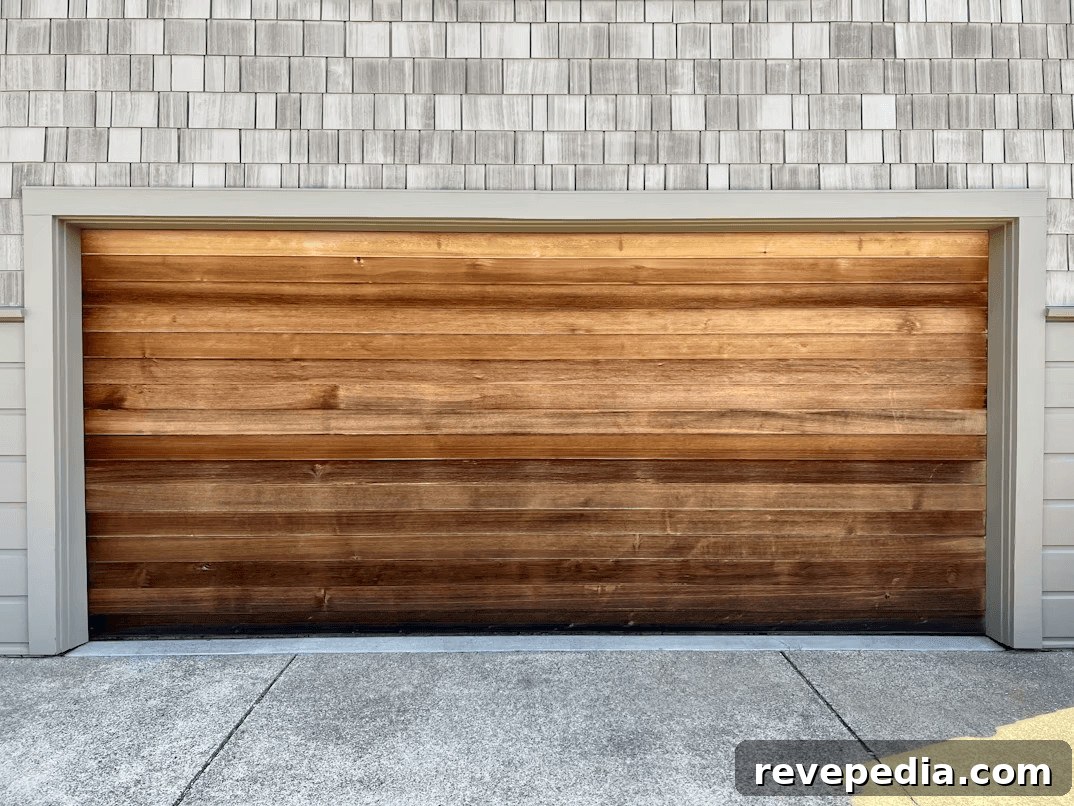
Another reason sectional doors remain popular is their design flexibility. They’re offered in traditional raised-panel styles, carriage-house looks with decorative hardware, and modern full-view configurations with glass and aluminum frames. Current design trends often favor darker, more refined finishes—matte black, charcoal, and deep wood-grain tones paired with streamlined hardware—and sectional doors adapt to these trends easily because their panelized construction provides ample surface area for different materials and finishes.
Whether you want a classic, rustic, or contemporary façade, there’s a sectional door option that will complement your home’s exterior without sacrificing functionality.
Trade-Offs to Consider
Sectional doors are not the ideal solution for every situation. They have more moving parts than single-panel doors—hinges, rollers, multiple track sections—which means they typically require a bit more routine maintenance to keep everything aligned and operating smoothly. Upfront costs can also be higher, especially for insulated models or premium finishes. Additionally, you need sufficient ceiling clearance to accommodate the horizontal tracks; garages with very low headroom or obstructions like exposed ductwork or beams may require special hardware or alternative door types.
For the majority of residential garages, these trade-offs are modest compared with the benefits: improved usable space, easier repairs, better insulation, and broad design choices.
Choosing and Installing the Right Sectional Door
If you’re replacing an old door or planning a new build, a sectional garage door is worth serious consideration. Installation details are critical to long-term performance. Factors such as panel gauge, spring balance, track alignment, and the insulation R‑value influence how well the door operates and how long it lasts. Choosing the right configuration for your climate, ceiling height, and daily usage patterns will save time and expense down the road.
Working with an experienced installer who can assess your garage’s specific constraints and recommend the appropriate hardware, spring system, and panel type will help ensure reliable performance for 15 to 20 years or more. For most homeowners, sectional garage doors remain a practical, attractive, and cost-effective starting point when evaluating garage door options.