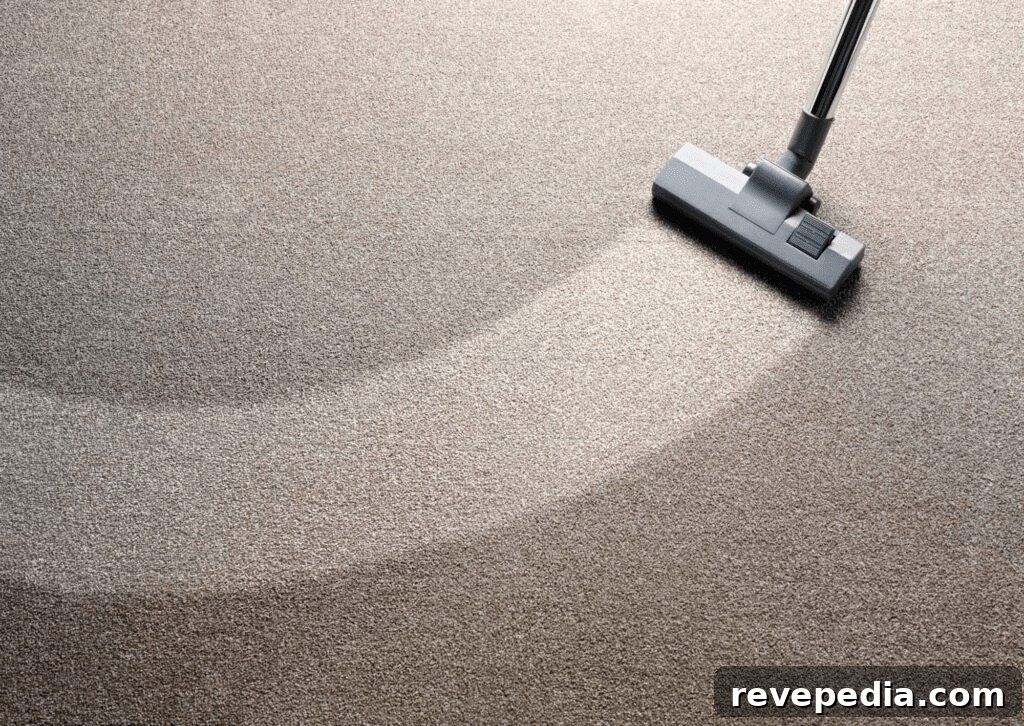
A clean home is about more than what you can see. Floors may look tidy, but carpets often hide dust, dirt, pet hair, pollen and countless tiny particles lodged deep in the fibers. Each step pushes those particles further in, where standard vacuuming can’t always reach. Over time that hidden debris becomes increasingly difficult to remove and can affect appearance, texture and indoor air quality.
For many households, regular domestic carpet cleaning—both routine maintenance and periodic professional deep cleaning—is a key part of home care. Consistent carpet cleaning creates a fresher indoor environment, minimizes odors, and keeps living spaces looking well cared for.
Hidden Dirt Builds Up Quickly
Carpets act like filters: they trap crumbs, outdoor dirt, pollen and pet dander that enter a home on shoes, clothing and paws. That filtering effect helps keep airborne particles out of the ambient air, but it also means carpets can only hold so much before they require a thorough cleaning.
Vacuuming removes surface soil, but deep-seated dirt remains embedded in the pile where it accumulates and compacts. This buildup can cause carpets to look dull and can contribute to unpleasant smells. Regular deep cleaning restores appearance by extracting the trapped grime that vacuuming alone cannot handle.
When carpets are neglected, fibers age faster. Dirt acts like abrasive grit—similar to sandpaper—wearing down fibers with each footstep. Left unchecked, this leads to flattening, loss of resilience, color fading and an overall tired look. Protecting your carpet investment with maintenance and occasional professional cleaning prolongs its life and keeps your home looking newer for longer.
Better Air Inside Your Home
Carpets influence indoor air quality because they store airborne particles that are later re-suspended when people walk across them. That can make rooms feel dusty even after a quick clean. Regular vacuuming with a high-efficiency filter and scheduled deep cleaning reduce the reservoir of dust, pollen and dander, helping the air feel fresher.
Families with children, seniors or allergy sufferers often notice the biggest improvements when carpets are maintained consistently. Cleaner carpets mean fewer airborne irritants and a more comfortable living environment for everyone.
Protect Your Carpet Investment
Replacing carpet is a significant expense, so routine care is the most cost-effective way to protect your investment. High-traffic areas show wear first; dirt-driven abrasion shortens the usable life of carpet fibers. Rotating furniture, using area rugs or runners in busy zones, and scheduling periodic professional cleaning all help preserve texture and color.

Remove Stains Before They Set
Everyday life brings spills and stains: coffee, wine, food, footprints and occasional pet accidents. The longer a stain sits, the harder it becomes to lift. Prompt action prevents staining from becoming permanent. Blotting spills, using appropriate spot-cleaning methods and avoiding harsh scrubbing can minimize damage.
Even with careful spot care, older or set-in stains often need professional attention. Deep cleaning methods—such as steam cleaning or hot water extraction—can effectively remove embedded stains and odors that household treatments can’t fully eliminate.
Simple Steps for Reliable Carpet Care
Carpet care doesn’t have to be complicated. A few consistent habits make a noticeable difference:
- Vacuum high-traffic areas several times a week with a vacuum that has good filtration.
- Attend to spills immediately by blotting with a clean cloth and using an appropriate cleaner for the carpet type.
- Place door mats and shoe trays at entryways to reduce tracked-in dirt.
- Rotate furniture or rearrange rugs periodically to avoid uneven wear patterns.
- Schedule professional deep cleaning at recommended intervals—often annually or biannually depending on use—to remove embedded soil and refresh fibers.
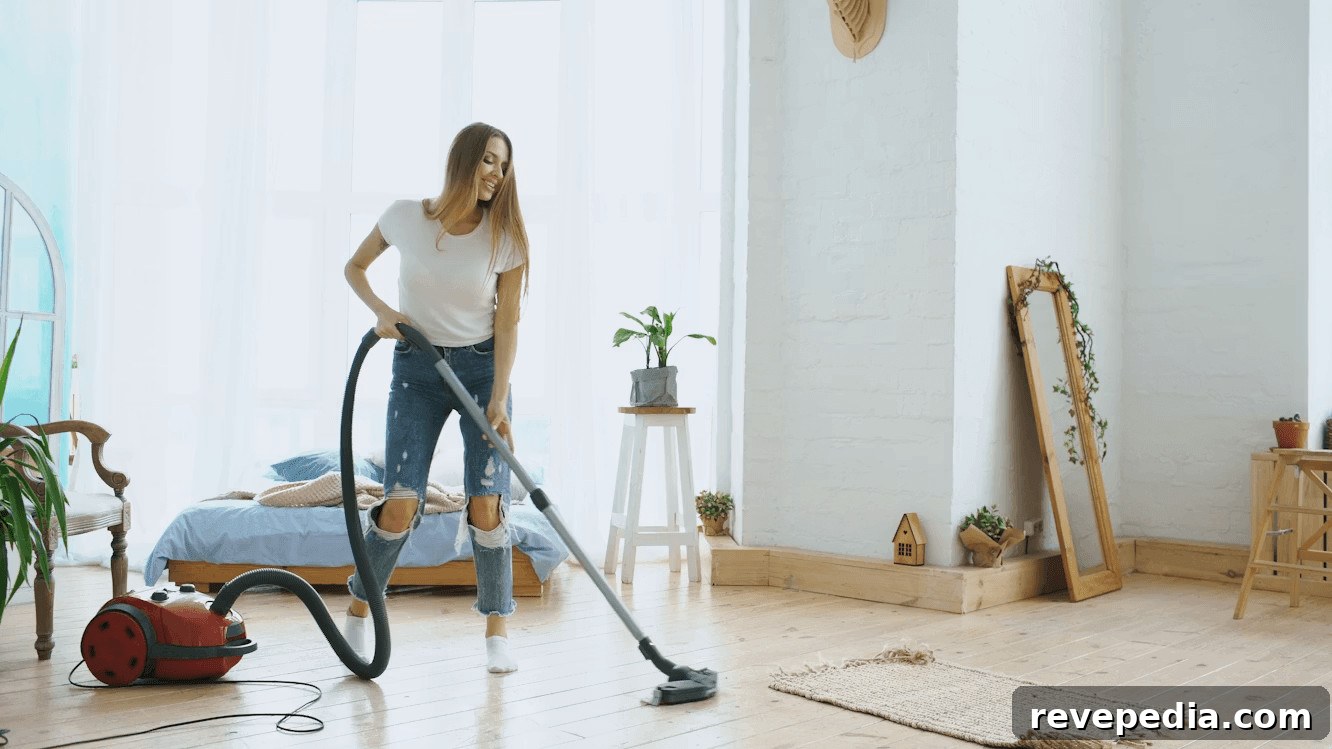
Combining these everyday steps with periodic professional services helps carpets stay attractive, comfortable and hygienic throughout the year. Preventive maintenance is easier and less costly than waiting until carpets need full replacement.
Conclusion
Clean carpets brighten a home, improve indoor air quality, and contribute to overall comfort. Regular vacuuming, prompt stain care, sensible preventive measures and occasional professional deep cleaning extend the life of your carpets and reduce the need for costly replacements.
If you’re looking for practical advice or professional support, researching experienced domestic carpet cleaners can provide useful guidance on care schedules, stain treatments and cleaning methods tailored to your carpet type. Making carpet maintenance part of your regular home care routine helps keep your living spaces cleaner, healthier and more inviting.