Moving day can bring excitement and stress in equal measure. Whether you’re relocating across town or to a new city, packing well in advance and following a clear plan will make the process faster and less chaotic. A calm, organized approach helps you protect your belongings and arrive at your new home ready to settle in.
Seeing piles of items ready to be packed can feel overwhelming. With sensible planning and a step-by-step method, you can turn a stressful task into a manageable project. The key is to work deliberately through each stage: prepare supplies, declutter, pack by room, label boxes, and organize essentials for the first 48 hours in your new home.
Plan Ahead
Begin packing long before moving day whenever possible. Creating a timeline for packing each room helps you avoid last-minute scrambling and lets you remain calm as the move approaches. Break the work into daily or weekly goals so you focus on one area at a time and measure progress visibly.
Collect all necessary packing supplies early: sturdy boxes in a range of sizes, quality packing tape, permanent markers for labeling, and cushioning materials such as bubble wrap, packing paper, or clean towels. Consider acquiring specialized items like wardrobe boxes and dish packs for fragile kitchenware. Preparing your supplies ahead of time prevents interruptions and enables more efficient packing sessions.
Using Movers
Hiring professional movers can save time and reduce the physical strain of relocation. Movers bring experience in lifting, loading and protecting furniture and fragile items, and they can manage logistics like truck space and transport routes. If you plan to use movers, communicate clearly about which tasks you want them to handle and which you prefer to keep for yourself.
Whether you hire a full-service moving company or book labor-only movers, outline expectations in advance: which rooms they will load first, how to handle fragile items, and where to place labeled boxes on arrival. Clear instructions expedite the unloading process and help ensure boxes are delivered to the right rooms.
Declutter First
Decluttering before packing reduces the volume of items to move and lowers costs. Sort belongings into three categories: keep, donate, and discard. Being realistic about what you actually use makes unpacking faster and reduces clutter in your new home.
Items in good condition can be donated to charities or given away to friends and family. Many local organizations accept clothing, small furniture, and household goods, often offering pickup services. Donating items not only lightens your load but also creates a positive impact on your community.
Room-by-Room Strategy
Packing room by room keeps the process organized and helps you see steady progress. Start with rooms used less frequently—guest bedrooms, storage areas, or seasonal spaces—so that main living areas remain functional until the end. Completing one room at a time gives a sense of accomplishment and reduces stress.
Label each box clearly with its contents and the destination room. Use a consistent labeling system and consider color-coding labels or markers for each room to streamline the unloading process. A short inventory list on each box can also help you track fragile items and easily find essentials during unpacking.
Packing Tips
Pack smart to protect belongings and make boxes manageable. Don’t overload a single box—keep heavier items in smaller boxes and lighter, bulky items in larger boxes. Fill empty spaces with packing paper, bubble wrap, or soft items to prevent shifting. Wrap fragile items individually and mark those boxes as fragile.
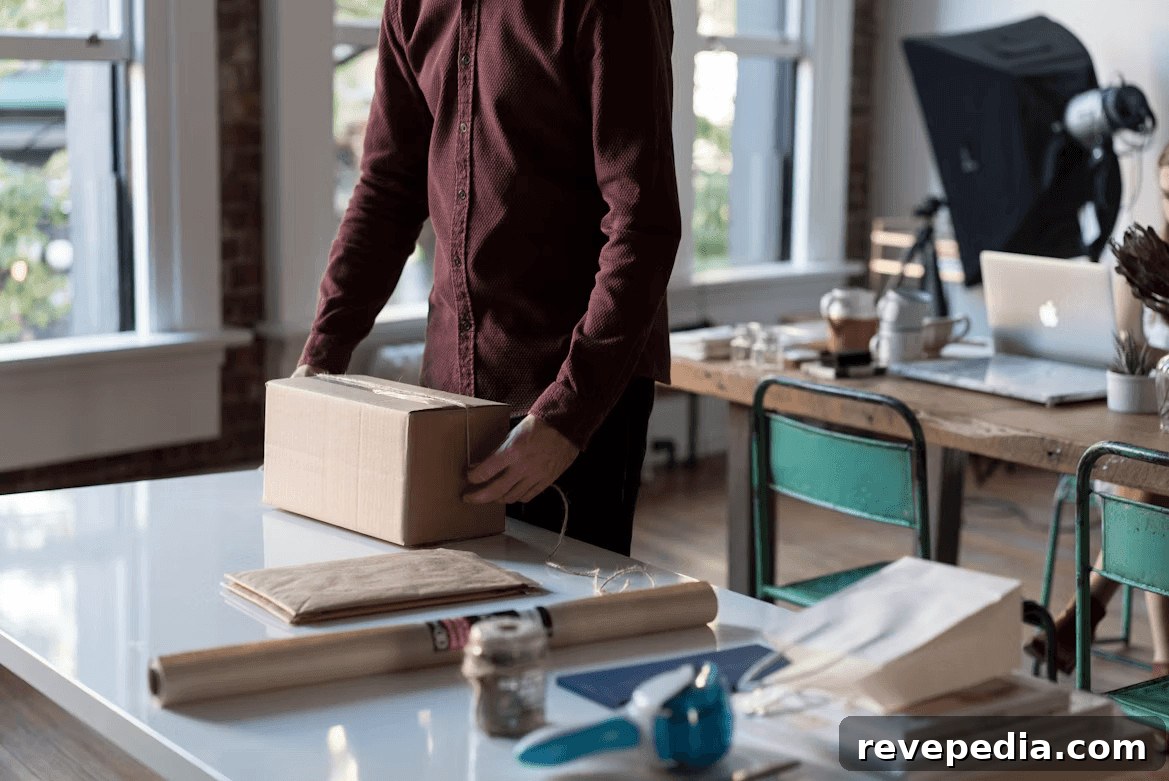
For clothing, use wardrobe boxes or keep garments on hangers and cover them with large trash bags to save time. Suitcases and duffel bags make excellent containers for heavy or dense items like books. Use kitchen dish packs and plate dividers for fragile dishware, and keep cords and small parts in labeled bags taped to the corresponding device or furniture.
Essentials and Last-Minute Packing
Prepare an essentials box or bag for the first 24–48 hours after moving. Include toiletries, a set of clothes for each family member, chargers, important documents, basic kitchen items (a few plates, utensils, a kettle), and medications. Keep this box with you so it is immediately accessible on arrival.
Make a list for last-minute items to avoid forgetting small but important things: bedding, pet supplies, phone chargers, toiletries, and items used daily. Pack these last or set them aside so they are easy to reach when you leave your old home and enter the new one.
Moving is a major life event, but with thoughtful planning and efficient packing techniques you can reduce stress and increase the chances of a smooth transition. Keep an organized timeline, declutter before you pack, label boxes clearly, and designate an essentials kit to simplify the first days in your new space. With preparation and a clear plan, your move can be orderly and even enjoyable.