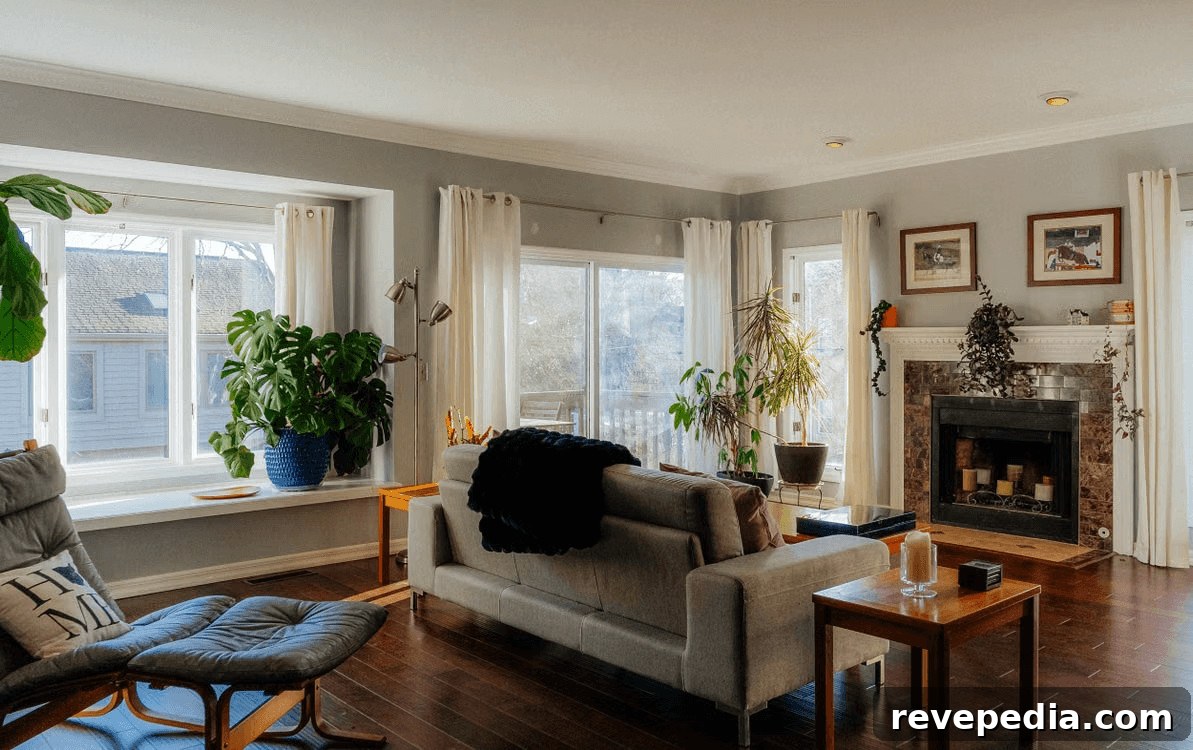
Owning a home requires ongoing attention to maintenance and thoughtful upgrades. The right improvements protect your investment, increase comfort, and can boost resale value. With many possible projects, focus on upgrades that improve safety, efficiency, and long-term utility so each dollar spent delivers measurable benefits.
Modernizing outdated systems prevents larger problems and reduces operating costs. Prioritize projects that enhance structural protection, lower energy use, and make daily life easier. Below are practical, high-impact upgrades to consider for a safer, more efficient home.
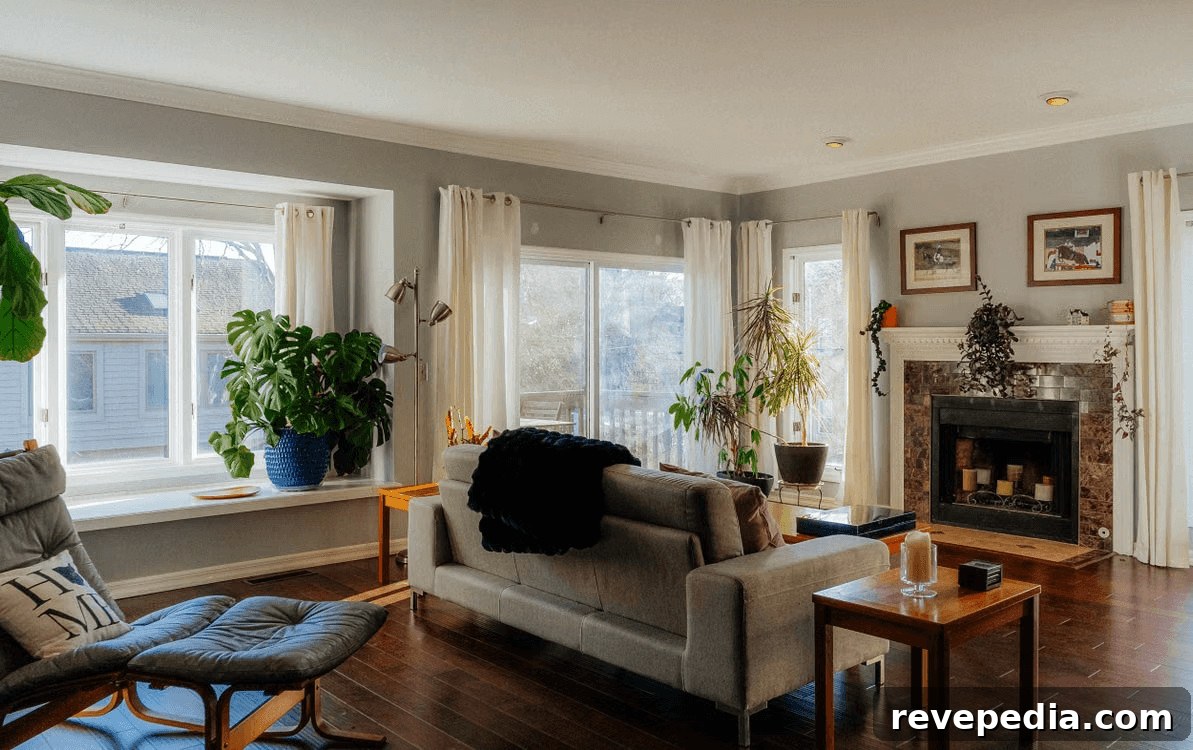
Upgrade to Smart Climate Control
Traditional thermostats often waste energy by maintaining comfort in empty rooms. Replacing them with a smart thermostat delivers automatic schedule-based adjustments, reducing monthly heating and cooling bills and improving comfort. These units learn your routine and modify temperatures to match occupancy and preferences.
Most smart thermostats connect to smartphones, allowing remote control so you can precondition your home before you arrive. Advanced models use local weather forecasts and system diagnostics to optimize performance and alert you to maintenance needs. Investing in a smart climate control system extends the life of your HVAC and yields steady energy savings.
Install High-Quality Storm Protection
Homes in storm-prone areas benefit greatly from reinforced windows and doors designed to resist high winds and debris. Impact-rated glass and reinforced frames protect interiors from pressure changes and intrusions during severe weather, reducing risk to occupants and minimizing repair costs after storms.
Durable window systems often include robust locking hardware that improves everyday security and reduces exterior noise from traffic or neighbors. Choosing strong materials and professional installation provides a long-lasting upgrade that enhances both safety and comfort year-round.
Select Modern Window Styles and Tracks
Current design trends favor window profiles that maximize daylight while keeping a minimal visual footprint. Slim frames and large glass areas increase natural light and views without compromising structural strength. Sliding windows on smooth horizontal tracks remain popular for their space-saving operation and ease of use.
When selecting windows, prioritize certified impact ratings, energy performance, and reliable track systems. High-performance glazing can significantly reduce storm damage and improve thermal efficiency, lowering heating and cooling demands while protecting your home.
Add Modern Security Systems
A comprehensive approach to home security begins with a reliable monitoring system. Wireless cameras, motion sensors, and doorbell cameras provide flexible placement and real-time video feeds to your devices. High-definition monitoring improves incident detection and evidence quality if needed.
Smart locks replace traditional keys with codes or biometric access, allowing you to grant temporary entry to guests or service providers without leaving physical keys in vulnerable spots. Integrated alarm systems can alert you and emergency services automatically, while automated lighting schedules simulate occupancy when you are away, deterring would-be intruders.
Update Kitchen Plumbing Fixtures
The kitchen is a central space for daily life, and updating faucets and sinks refreshes both form and function. Old faucets can leak and waste water; modern fixtures improve efficiency and hygiene. Touchless faucets with motion sensors prevent cross-contamination when handling food and reduce unnecessary water use.
Look for practical features such as pull-down spray nozzles for easy rinsing, durable finishes like matte black or brushed brass, and temperature memory valves to reduce scalding risk. Deep composite sinks resist scratching, and sound-dampening pads under the basin cut down noise from running water and disposals. These enhancements make cleanup faster and more pleasant.
Improve Attic Insulation Efficiency
Inadequate attic insulation allows heat transfer that forces HVAC systems to run harder. Adding insulation—whether fiberglass batts, blown-in cellulose, or other suitable materials—reduces heat gain in summer and heat loss in winter, lowering energy bills and improving comfort.
Proper attic work includes sealing gaps around pipes, ducts, and wiring to prevent air leakage and moisture intrusion. Sealing and insulating the attic contributes to even temperatures across upper floors, reduces airborne dust and pollen, and helps protect roof structure by controlling condensation. The energy savings from this affordable upgrade often pay back quickly.
Invest in Smart Lighting Control
Smart lighting systems provide far more than on/off control. With dimming, scheduling, and voice or app control, you can create ambiance, save energy, and extend bulb life. Automated exterior lighting enhances safety by turning lights on at dusk and off at dawn, while interior schedules can simulate occupancy when you are away.
Switching to LED bulbs reduces energy use and heat output compared with incandescent lamps, helping keep rooms cooler in summer. Implementing smart lighting is a straightforward, high-impact upgrade that improves comfort, convenience, and energy efficiency.
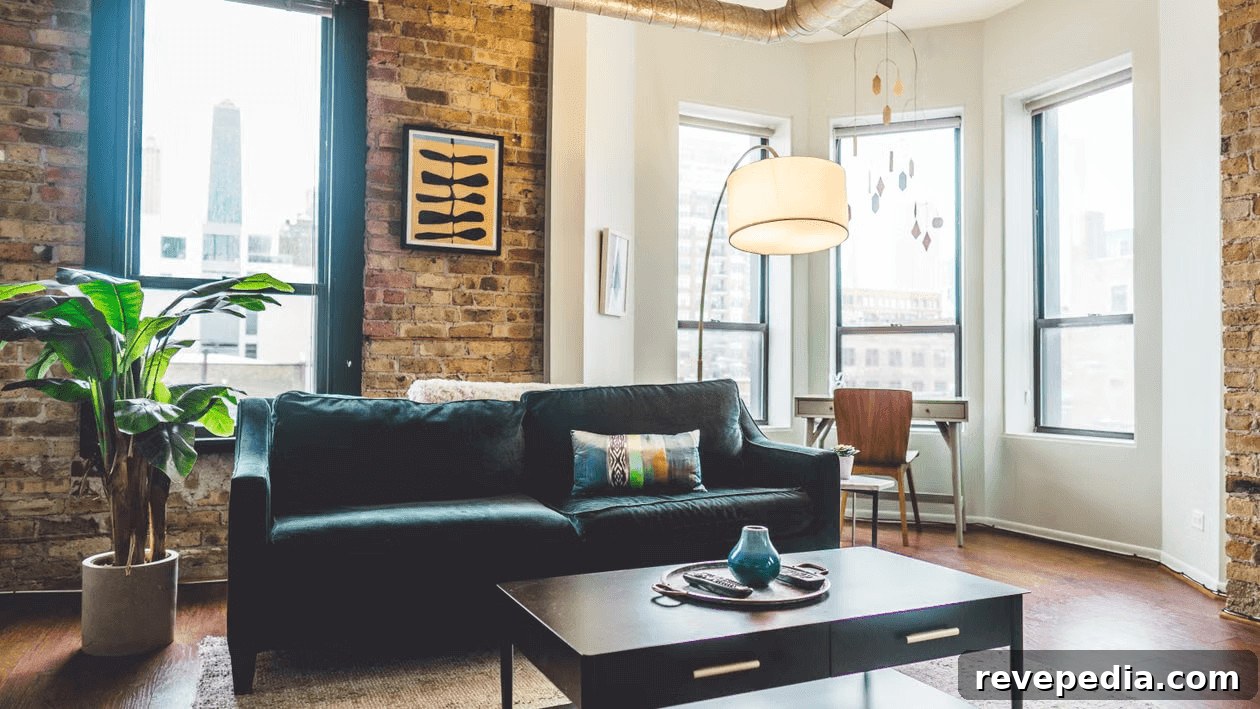
Choosing the right combination of upgrades keeps your home safer, more efficient, and more enjoyable to live in. Small, well-planned improvements—lighting, plumbing, windows, insulation, security, and climate control—compound into significant long-term advantages. Plan upgrades according to priority and budget, tackling the most critical items first to steadily build a more secure and comfortable home.
Balancing practical safety enhancements with smart style choices preserves your family’s well-being and increases property value. Start with projects that deliver immediate protection and ongoing savings, and schedule regular maintenance to keep systems performing at their best.