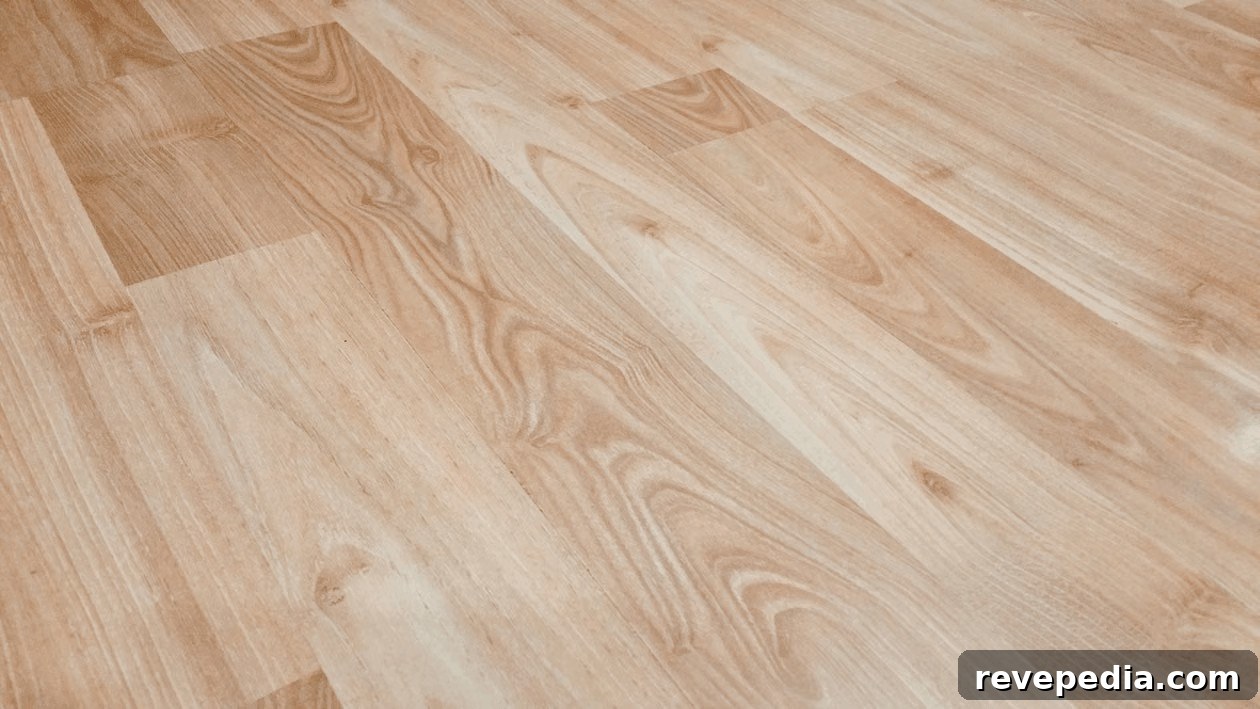
Hardwood floors remain a timeless and elegant choice for both homes and businesses. Their natural beauty and durability make them one of the most sought-after flooring options. However, to preserve their appearance and longevity, a clear maintenance plan is essential. This guide outlines a practical, SEO-friendly maintenance schedule for hardwood flooring care that will help protect your investment and keep floors looking their best.
Proper hardwood floor maintenance includes routine cleaning, periodic inspections, and occasional professional attention. Understanding these needs before installation will help you choose the right products and establish a care routine that prevents common problems such as scratches, moisture damage, and finish wear.
Why Maintenance Matters
Hardwood is a natural material that reacts to changes in humidity, traffic patterns, and everyday wear. Unlike many synthetic flooring options, wood can scratch, dent, swell, or separate if not cared for properly. Most hardwood floors are finished with protective coatings, but those finishes must be maintained to prevent issues like bubbling, surface scratches, or plank separation.
Regular inspections and timely repairs can prevent small issues from becoming costly problems. Bringing in a qualified flooring professional periodically ensures that structural or finish concerns are identified early and addressed correctly.
Monthly Upkeep
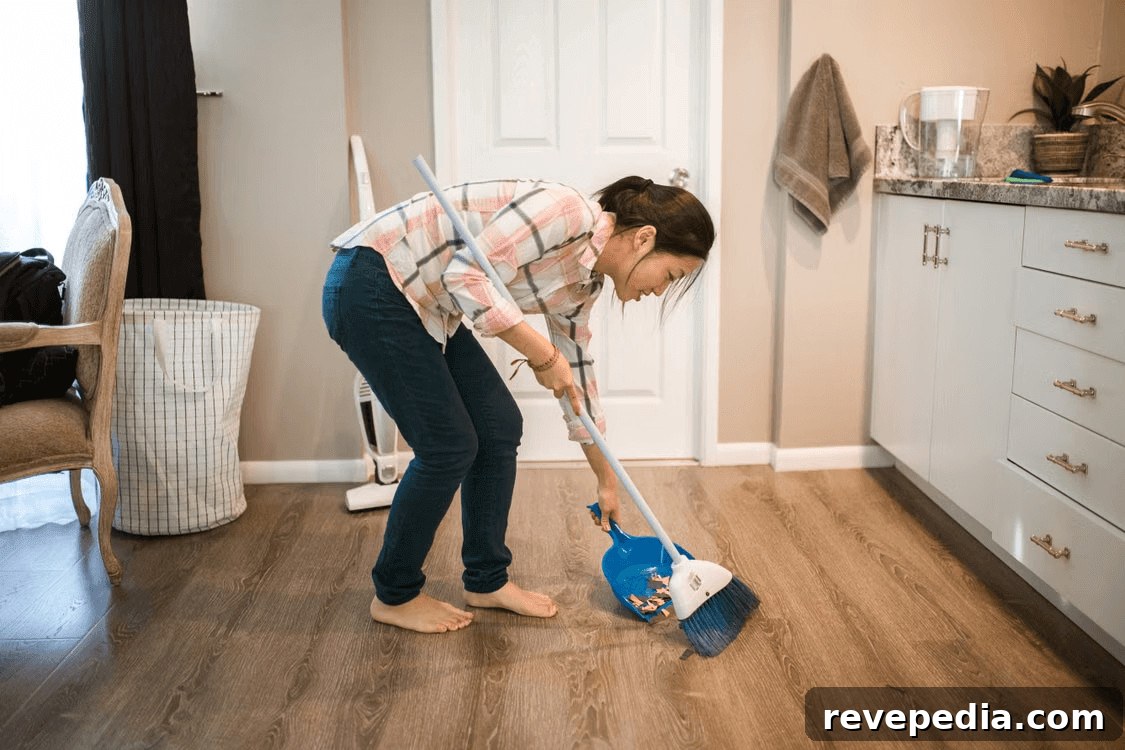
Monthly care focuses on routine cleaning and quick visual checks. Sweep or dry-mop weekly to remove grit and fine debris that can abrade the finish. Use a soft-bristle broom or a microfiber dust mop to avoid creating scratches. Inspect high-traffic areas for changes in color, lifting boards, or surface bubbling. Catching these signs early allows for simple fixes rather than major repairs.
Quarterly Care
Every three months, perform a deeper clean and a more thorough inspection. Use manufacturer-approved cleaning solutions and techniques to remove embedded dirt and grime. Deep cleaning removes abrasive particles that can wear away the finish and helps prevent small rocks or debris from causing dents.
Examine the floor for scratches, dents, and signs of moisture damage—especially in homes with pets or young children. If you notice any areas with significant wear or surface issues, consult the installer or a professional flooring service to determine whether spot repairs or refinishing is needed.
Annual Maintenance
An annual professional evaluation is recommended to assess overall wear, structural conditions, and finish integrity. A flooring contractor can advise whether recoating, spot sanding, or more extensive refinishing is necessary to extend the life of the floor, particularly in high-traffic zones.
Use the annual visit to address squeaks, loose boards, or flashing gaps along baseboards. If regular cleaning and routine care have been followed, most hardwood floors will not require major repairs within the first five years after installation. Still, annual inspections ensure that small issues are corrected promptly.
Practical Tips to Maintain Hardwood Floors
Consistent care routines will preserve both the beauty and performance of hardwood flooring. Below are practical measures that support long-term maintenance.
Humidity Control
Wood reacts to moisture and humidity changes. Maintain indoor humidity levels recommended by your floor manufacturer to prevent excessive expansion or contraction. In humid climates, consider using dehumidifiers or climate control strategies to reduce prolonged exposure to moisture that can lead to cupping or warping.
Use Furniture Pads and Protective Mats
Protect high-use areas by fitting furniture legs with soft pads and placing washable mats at entryways. Remove and clean mats periodically to eliminate trapped grit that can scratch the floor. Replace worn pads and mats as needed to ensure ongoing protection against abrasion.
Clean Your Floors Properly and Regularly
Follow manufacturer recommendations for cleaning agents and methods. Dry sweeping or dust-mopping is typically the safest routine; when mopping, use a damp—never wet—mop and a wood-safe cleaner. Avoid harsh chemicals, steam cleaners, and excessive water, which can damage finishes and the wood underneath.
Take care when vacuuming: use a hard floor setting or a soft brush attachment to prevent scratches from vacuum wheels or stiff beater bars. A weekly cleaning schedule paired with timely spot cleaning preserves finishes and minimizes the need for early refinishing.
Conclusion: Hardwood Flooring is Built to Last
With thoughtful upkeep, hardwood flooring can provide decades of beauty and performance. Consistent cleaning, humidity control, protective measures, and yearly professional evaluations are the foundation of an effective hardwood floor maintenance plan. Follow these guidelines and consult qualified flooring professionals when needed to keep your floors looking great for years to come.