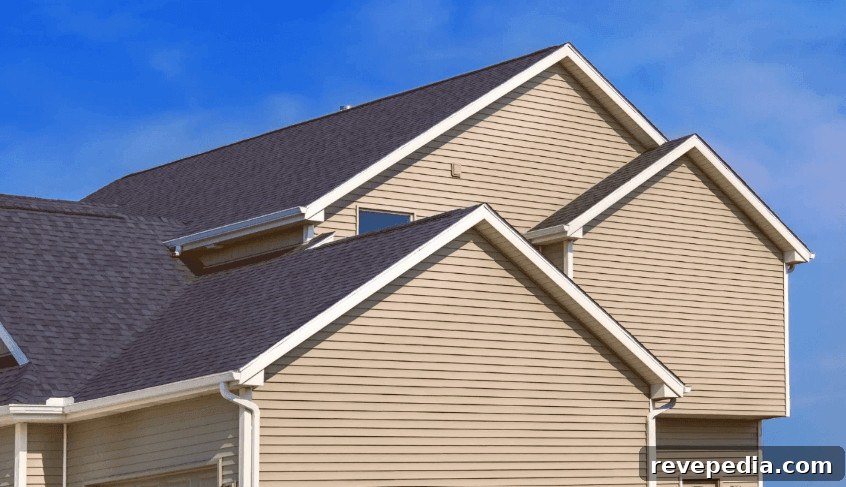
If your roof and siding are both showing signs of age, you may be weighing whether to replace them together or handle one now and the other later. There’s no single correct answer for every homeowner, but you can make a clear, practical decision by weighing costs, timing, and the actual condition of each system.

The Benefits of Doing Roof and Siding Together
Combining a roof replacement with siding work often delivers measurable cost savings. Many contractors provide discounts for larger, bundled projects because running one unified job reduces duplicated expenses like mobilization, site setup, equipment rental, and project management. Those savings can be significant compared to hiring crews twice for two staggered jobs.
Bundling also reduces disruption. Both roofing and siding replacements typically require scaffolding, ladders, and work around the house perimeter. Installing access equipment once and completing both jobs in sequence minimizes the time your property and landscaping are disturbed. It also simplifies scheduling and communication—one contract, one timeline, one point of contact.
There are practical benefits beyond budget and convenience. A new roof installed next to deteriorated siding can expose hidden problems at the interface between the roof and wall systems, such as rot or water damage. Addressing those issues while both surfaces are already open or exposed is often easier and less expensive than discovering them during a separate project later.
Reasons to Stagger Roof and Siding Projects
Bundling is not always the best choice. The most common reason to stagger projects is cash flow: a combined roof and siding replacement is a large investment, and splitting the work into two phases can make the expense more manageable for many households.
Another reason is condition. If one system is relatively new or still performing well, replacing it prematurely wastes money. Good siding that has several years of useful life left should not be replaced just because the roof needs work. The right decision should be based on the actual state of each system, not solely on convenience or assumptions.
How to Evaluate Roof and Siding Condition
Rather than relying on age alone, inspect both systems for clear signs of wear:
- Roof: Look for widespread granule loss on asphalt shingles, curling or cracked shingles, visible sagging, or persistent leaks. Shingles that are brittle or have lost their protective granules are indicators the roof is nearing the end of its service life.
- Siding: Check for warping, extensive cracking, significant fading that paint won’t correct, soft or spongy areas that suggest moisture intrusion, and visible gaps or separation at seams and corners. Moisture-related damage behind siding can cause structural problems if left unaddressed.
If both roof and siding show clear, substantial deterioration, bundling the replacements is likely the most cost-effective and least disruptive approach. If only one system exhibits concerning signs, prioritize that repair and plan to revisit the other when its condition warrants replacement.
Typical Work Sequence for a Combined Project
On a well-managed combined job, contractors usually complete the roof work first. Roofing tasks can occasionally dislodge or damage siding near the roofline, so finishing the roof before finalizing siding reduces the risk of having to redo siding work. A logical sequence—roofing followed by siding—helps avoid rework and ensures that flashing, trim, and transition details are installed correctly where the roof and walls meet.
Experienced crews will coordinate material deliveries, waste removal, and protective measures for windows, landscaping, and exterior features so that the property is protected throughout the project. Clear communication about schedule, scope, warranties, and cleanup responsibilities will make the combined project run more smoothly.
How to Get a Reliable Assessment
The best way to decide whether to bundle or stagger is to get a professional evaluation of both systems. A qualified contractor or inspector can identify problems you might miss, document the extent of any damage, and provide realistic cost estimates for separate versus combined work. Ask for written assessments and multiple quotes if you want to compare pricing and approaches.
When evaluating proposals, look for transparent pricing, clear timelines, and warranty details for both materials and labor. Confirm that the contractor will properly coordinate the connection points between roof and siding, install appropriate underlayment and flashing, and follow manufacturer installation guidelines for both systems.
By basing your choice on the real condition of your roof and siding, your budget, and professional advice, you can select the option that balances cost, convenience, and long-term protection for your home.