Metal roofing is not a single product but a category that includes several distinct panel styles, each differing in appearance, installation method, durability, and cost. Two of the most common types homeowners encounter when comparing quotes are standing seam and corrugated metal panels. Confusing these two or assuming they are interchangeable can create mismatched expectations about performance, appearance, and long-term maintenance.
What Sets Standing Seam Apart
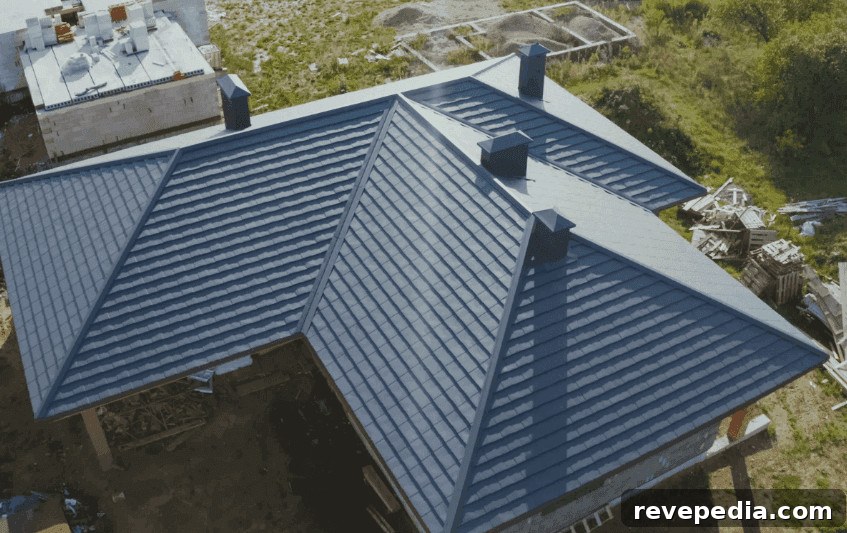
Standing seam metal roofing is characterized by raised, interlocking vertical seams that run the length of each panel. The fasteners are concealed beneath those raised seams instead of being exposed on the surface. This hidden-fastener design is the primary functional advantage: with no exposed screw heads sitting in the weather, there are fewer penetration points where sealant can degrade and create potential leak paths.
Beyond performance benefits, standing seam offers a clean, contemporary appearance. The panels provide a smooth, flat surface interrupted only by the vertical ribs, which many homeowners and architects prefer for modern or refined residential styles. That streamlined look also adapts well to traditional homes when a more polished metal roofing option is desired.
Because the fasteners are hidden, standing seam systems typically require specialized installation tools and techniques. The interlocking seams can be snap-locked or mechanically seamed on site, and some profiles are engineered for thermal movement to reduce stress and extend service life.
What Sets Corrugated Panels Apart
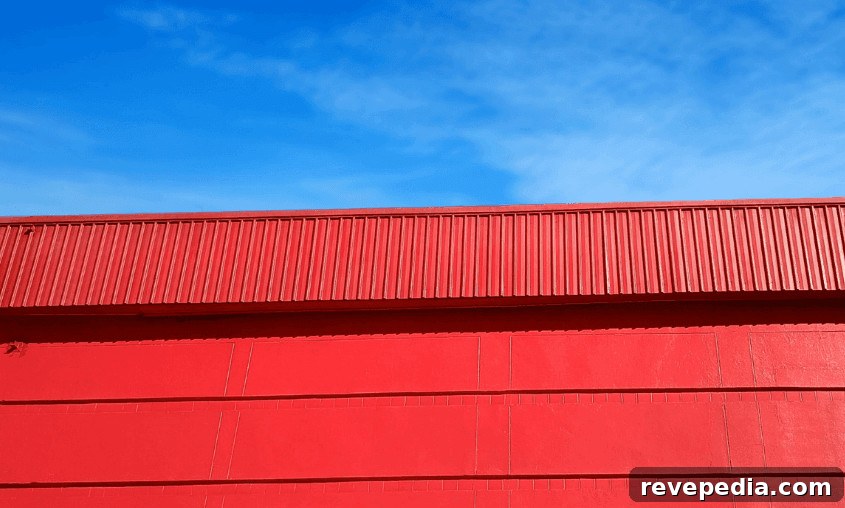
Corrugated metal panels feature a wavy, ridged profile across the panel surface rather than smooth expanses with raised seams. This classic, utilitarian look is what many people visualize when they picture metal barns, agricultural buildings, or simple utility structures. Corrugated panels are often used on sheds, workshops, agricultural buildings, and economical residential outbuildings.
Installation of corrugated panels uses exposed fasteners: screws pass directly through the panel into the roof framing, each sealed with a rubber or neoprene washer. This straightforward fastening method makes corrugated roofs faster and less expensive to install than standing seam, which is a significant reason corrugated is typically the more budget-friendly option.
The Real Trade-Offs Between the Two
Cost: Corrugated panels tend to cost less in both material and labor because the installation is simpler and faster. Standing seam often carries higher upfront material and installation costs due to the profile design and the concealed fastening system.
Maintenance: Standing seam’s concealed fasteners reduce ongoing maintenance needs because there are no exposed seal points to inspect and replace regularly. Corrugated panels have exposed fasteners and washers that will wear over time and require periodic replacement to prevent leaks at the fastener locations.
Longevity: Both panel types can last for decades when installed correctly and maintained, but standing seam systems often provide a longer realistic lifespan. The reduced number of potential leak points and robust seam design contribute to greater long-term reliability.
Appearance: Appearance is a matter of personal preference and architectural context. Standing seam provides a sleek, refined look suitable for contemporary homes, commercial buildings, and high-end residential projects. Corrugated panels present a rustic or industrial aesthetic that suits agricultural uses, utility structures, and design schemes that aim for an authentic, rugged appearance.
Weather performance: Standing seam’s smooth surface tends to shed snow and debris more readily than corrugated profiles, which can trap snow in their ridges. That makes standing seam advantageous in colder climates where snow load management is important. Both systems can perform well in high winds when installed properly, though the continuous seam of standing seam roofing typically offers slightly better resistance to wind uplift.
Which One Fits Your Project
No single panel style is universally best; the right choice depends on budget, building use, aesthetic goals, and local climate. Corrugated panels often make sense for barns, workshops, and budget-conscious utility buildings where cost-effectiveness and a rustic look are priorities. Standing seam is usually the better fit for primary residences, especially those with contemporary architecture or when minimizing maintenance and maximizing longevity are important considerations despite higher initial costs.
Getting the Right Panel Style for Your Building
Selecting the appropriate metal roofing panel is a decision that balances cost, aesthetics, performance, and long-term maintenance. Before committing, discuss both options with an experienced roofing contractor who can evaluate your roof geometry, local weather conditions, energy efficiency goals, and aesthetic preferences. Professional input will help you choose a profile, finish, and installation method that align with your budget and the intended use of the building, ensuring the final roof meets expectations for appearance and performance.