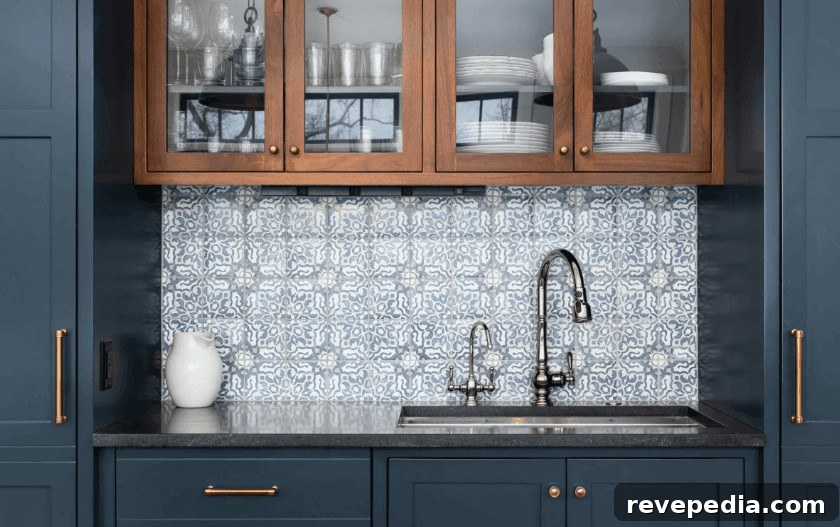
Kitchen cabinets occupy more visual space than nearly anything else in the room, so when they begin to look dated, the entire kitchen can feel worn out. The good news for homeowners and DIYers is that you rarely need a full gut renovation to achieve a fresh, modern look. With the right strategy, you can dramatically update cabinets for a fraction of the cost of complete replacement. Below is a practical guide to help you decide what approach makes sense for your project and budget.
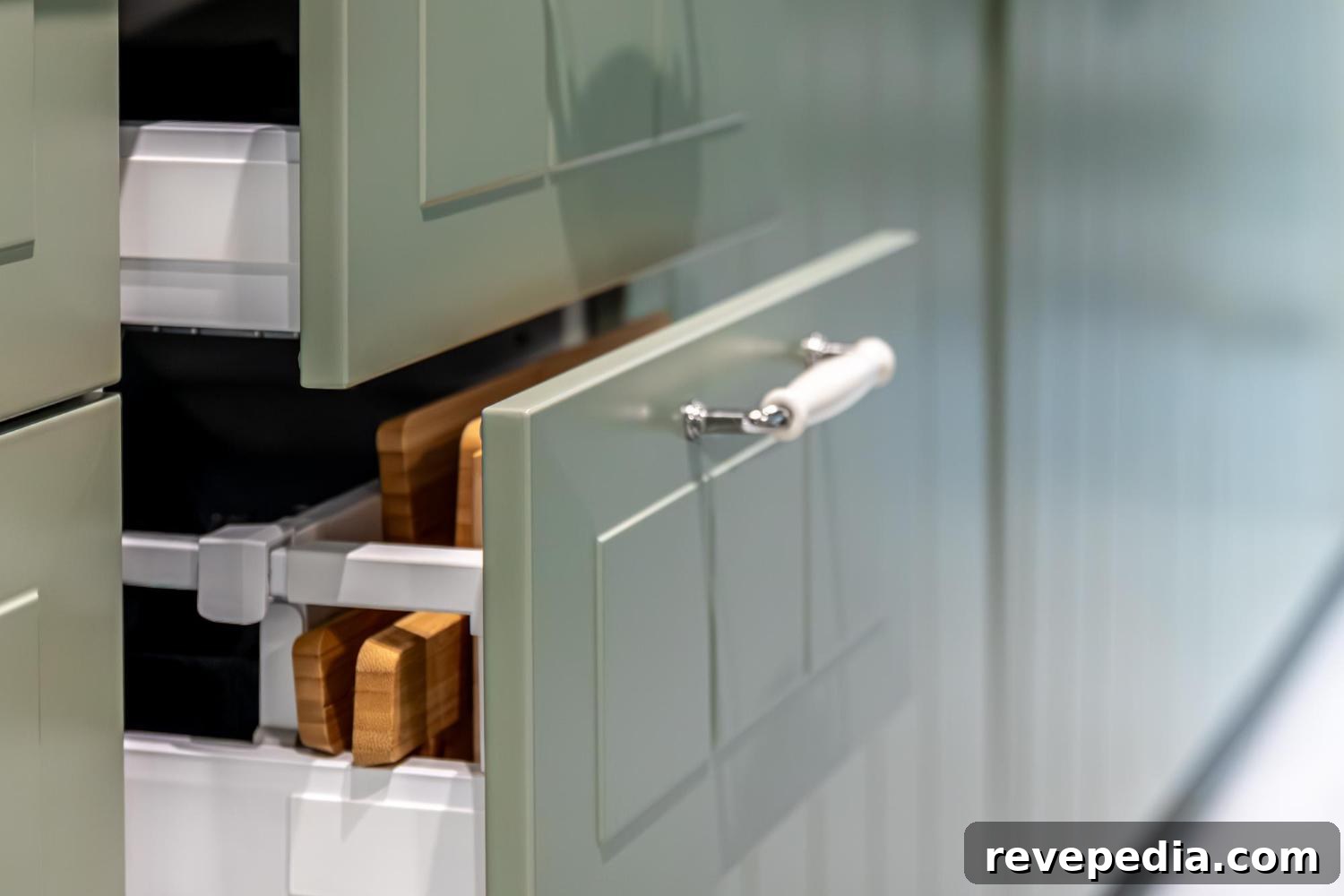
Image by pvproductions on Magnific
Assess the Kitchen: Keep What’s Solid
Before swinging a hammer, evaluate what you actually have. If cabinet boxes are structurally sound—sturdy, level, and free of water damage—you already have a solid foundation to build on. In many kitchens, the framework is fine and the issue is primarily cosmetic. That opens the door to several budget-friendly options that refresh appearance without replacing the entire system.
Full replacement is only necessary when cabinet boxes are warped, water-damaged, or otherwise failing. Otherwise, preserving the existing boxes and improving visible surfaces or components will often yield excellent, long-lasting results.
Refresh versus Replace: Cost, Disruption, and Result
Replacing cabinets gives you complete freedom to alter layout and storage, but it is the most expensive and disruptive choice. A full replacement typically involves a longer timeline, demolition, dust, and higher labor costs. It makes sense when the layout is fundamentally flawed or the cabinets are beyond repair.
Refreshing cabinets keeps the existing boxes and focuses on what you see: doors, drawer fronts, finishes, and hardware. For the majority of cosmetic concerns, a refresh achieves a striking transformation with less time, mess, and expense. This approach has become especially popular because it balances aesthetics and affordability.
Refacing: A Smart Middle Ground
Refacing bridges the gap between a simple repaint and a total tear-out. It typically involves applying a new veneer or finish to the cabinet boxes and replacing doors and drawer fronts. The footprint and layout remain the same, but the appearance is essentially brand-new.
This route is ideal if you like your kitchen’s flow and storage configuration but dislike its style. Refacing is less invasive than a full replacement, can usually be completed faster, and is often achievable for experienced DIYers with careful planning and the right tools.
Replace Doors for Maximum Visual Impact
Because cabinet doors dominate the visual field, updating them delivers the biggest payoff. Existing doors can be sanded and repainted or refinished for a cost-effective refresh. Alternatively, installing new custom doors transforms the kitchen’s character—from flat modern slabs to classic Shaker profiles—without changing cabinet boxes.
Choosing new door styles, finishes, and colors is one of the most effective ways to redefine your kitchen’s aesthetic. Even when other elements remain unchanged, the right doors can make the space feel entirely new.
Don’t Overlook Drawers
Drawers are easy to forget, but worn or wobbly drawers undermine even the most attractive updates. Replacing old drawer boxes with sturdy, smooth-gliding dovetail drawers improves both function and perceived quality. Reliable slides and well-built boxes feel good every time you open them.
Updating drawers is also an opportunity to enhance organization. Inserts, dividers, spice trays, and deeper drawer boxes convert cluttered or inefficient storage into an organized system tailored to how you cook and store items.
Hardware: High Impact, Low Cost
New hardware is one of the fastest and most affordable updates that produces an immediate visual lift. Swapping outdated knobs and pulls for modern finishes—matte black, brushed brass, satin nickel, or polished chrome—can change the style language of the room in an afternoon.
Hardware acts like jewelry for your cabinets, unifying finishes and reinforcing the chosen aesthetic. When combined with refreshed doors and drawers, updated pulls and knobs complete the transformation and make even modest renovations feel intentional and current.
Practical Planning Steps
Clear planning prevents frustration. Start by measuring carefully, establishing a realistic budget, and gathering style inspiration. Decide on priorities—durability, appearance, or storage improvements—so you know which elements to invest in.
Explore reputable home improvement resources and how-to guides for step-by-step instruction on painting, refacing, and installation techniques. Taking time up front to research materials, finishes, and tools reduces costly mistakes and shortens the project timeline.
DIY or Hire a Professional?
Many cabinet updates are within reach for a capable DIYer. Painting doors, swapping hardware, and installing pre-made doors or drawer fronts can save money and deliver satisfying results. These projects often require basic carpentry tools, patience, and attention to detail.
However, be realistic about your skill level. Tasks that demand precise door alignment, large-scale refacing, or structural repairs are often best left to professionals. Hiring a qualified installer for complex work can ensure tight gaps, even finishes, and reliable operation—outcomes that are worth the investment if your DIY skills are limited.
Final Considerations
Updating your kitchen cabinets doesn’t have to mean starting from scratch. By assessing existing conditions and choosing between refreshing, refacing, and replacing, you can achieve a beautiful, functional kitchen that fits your budget. Focus upgrades where they deliver the most visual and practical impact: doors, drawers, and hardware. Plan thoroughly, match the scope to your abilities, and your kitchen can feel brand new without the expense and disruption of a full renovation.