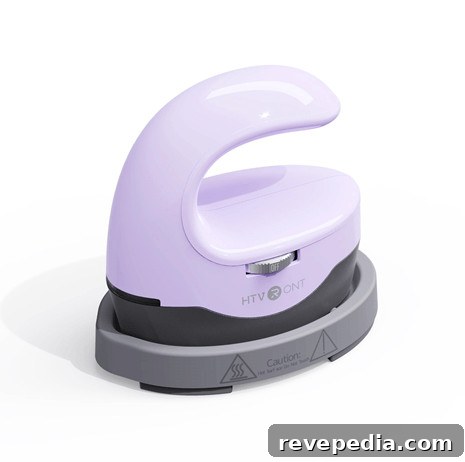
A heat press is a widely used printing machine for creating custom graphics on a range of products, including T-shirts, hoodies, bags and other fabric items. By applying precise heat and pressure, the machine imprints designs onto surfaces for durable, professional-looking results. Heat presses are popular with hobbyists, small businesses and professional studios because they deliver consistent, high-quality finishes and are easy to learn with the right tools and techniques.
What Is a Heat Press Machine?
A heat press machine is a device that transfers designs onto substrates using controlled temperature and pressure. The machine features a heated platen that presses down onto the material, enabling transfer media—such as heat transfer vinyl (HTV), transfer paper or sublimation prints—to bond effectively with the garment or substrate. Heat presses are designed to produce clean, long-lasting designs that retain color and detail over repeated washes and wear.
How Does a Heat Press Work?
Heat pressing relies on the combination of temperature, pressure and time to achieve a reliable transfer. The workflow typically begins with creating a digital design in vector or raster editing software, then sending that artwork to a cutter or printer. After cutting or printing, the excess material is removed and the design is positioned on the garment. The machine is set to the appropriate temperature, pressure and duration for the specific transfer media and fabric. Correct settings are essential—underheating or under-pressing can cause poor adhesion, while excessive heat or pressure can damage fabric or distort the design.
Types of Heat Press Machines
Heat presses come in a variety of formats to suit different needs. Common styles include clamshell presses, which open and close like a clam; swing-away presses, which pivot the platen away from the base for safer positioning; and large-format or conveyor presses for high-volume production. Portable and compact models are available for hobbyists or small-scale operations, while heavy-duty commercial machines handle continuous, high-volume work. Each type varies in platen size, temperature range, pressure adjustment and digital controls, so choose a model that matches your project scale and material types.
Understanding Vinyl Cutter Technology
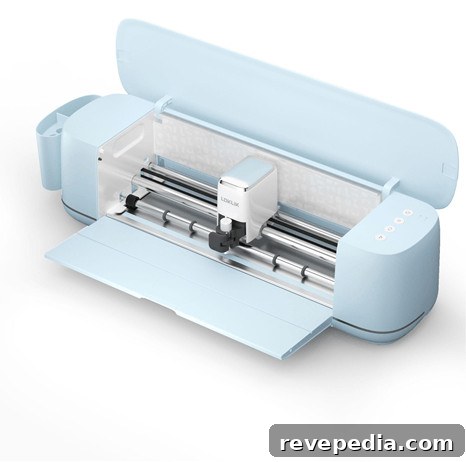
A vinyl cutter is a complementary tool used to cut designs from sheets of vinyl or other thin materials. Controlled by computer software, the cutter follows vector paths to produce precise shapes, lettering and intricate details that are difficult to achieve by hand. Vinyl cutters speed up production and improve accuracy, making them essential for many heat transfer projects such as custom apparel, decals and signage.
Choosing the Right Vinyl Cutter
Selecting the right vinyl cutter depends on your workload, design complexity and budget. For beginners and hobbyists, compact, budget-friendly cutters offer sufficient accuracy for basic designs. For commercial work, look for cutters with faster cutting speeds, stronger motors, higher precision, reliable software compatibility and robust construction. Evaluate material compatibility (adhesive vinyl, HTV, reflective vinyl, etc.), available blade types, and software features like trace and layout tools. A well-matched cutter reduces errors and improves finished product quality.
What Is a T-Shirt Press?
A T-shirt press is a heat press specifically designed to apply transfers to shirts and similar garments. These presses provide even heat distribution and consistent pressure across the platen, ensuring transfers adhere uniformly to the fabric. They are widely used by custom apparel makers for producing branded shirts, event apparel, uniforms and personalized fashion pieces.
Advantages of Using a T-Shirt Press
T-shirt presses simplify garment customization by producing smooth, durable results with minimal effort. They are well-suited for applying vinyl designs, heat transfers and printed transfer paper. Benefits include faster production times, consistent application, and the ability to produce multiple garments without sacrificing quality. These features make T-shirt presses an excellent choice for beginners and small businesses starting a custom apparel line.
Design Workflow: Heat Press and Vinyl Cutter
A heat press combined with a vinyl cutter constitutes a complete custom printing solution. The typical workflow is: design on a computer, cut the design with the vinyl cutter, weed away excess material, position the design on the garment, and use the heat press to apply temperature and pressure. This streamlined process allows creators to produce professional-looking items with relatively low startup costs and minimal technical complexity.
Common Mistakes to Avoid in Heat Transfer Printing
Many beginners make similar mistakes when starting with a heat press. Typical errors include incorrect temperature or timing, which can ruin a transfer; improper placement of the design; and inconsistent pressure that leads to uneven adhesion. Using low-quality materials or skipping a test press can also cause disappointing results. Prevent these issues by following manufacturer guidelines for materials, performing test presses on scrap fabric, and maintaining consistent technique.
Maintaining Your Heat Press Equipment
Regular maintenance helps your heat press deliver consistent results and extends its lifespan. Clean the platen frequently to remove adhesive residue and debris, inspect and tighten any fasteners, and protect the machine from dust and physical damage. Calibrate temperature and pressure settings periodically and replace worn parts as needed. Proper care ensures reliable output and reduces downtime for businesses.
Starting a Custom T-Shirt Business
A basic setup—heat press, vinyl cutter and some finishing tools—can be enough to launch a custom apparel business. Many entrepreneurs use these tools to offer personalized shirts, promotional items and uniforms. With creative designs, efficient production and effective marketing, custom printing can become a profitable venture without the need for expensive industrial equipment.
The Future of Custom Printing
Demand for personalized products continues to grow, and advancements in heat transfer technology and cutter software are making custom printing more accessible and efficient. Improvements in transfer materials, user-friendly equipment and automation will help creators achieve higher quality results with less effort. As tools evolve, the custom apparel market will keep expanding for hobbyists and professionals alike.
Conclusion
Heat pressing remains an essential technique for anyone interested in custom printing and apparel production. Paired with a vinyl cutter and a reliable T-shirt press, it provides an accessible path to creating attractive, durable custom products. With proper equipment selection, attention to settings and regular maintenance, both beginners and experienced makers can produce professional-quality results and grow a creative or commercial operation.