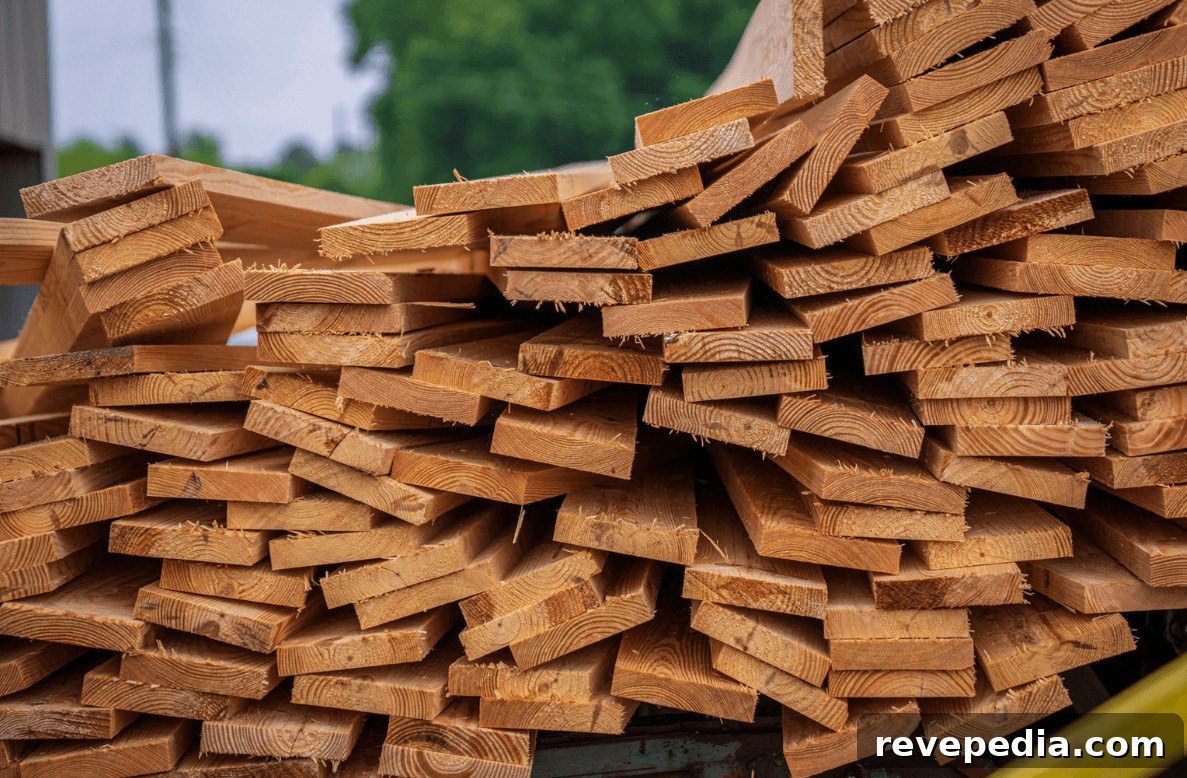
Developers increasingly face pressure to choose materials that protect natural resources and reduce environmental impact. Selecting green, responsibly sourced materials has become essential to successful project management and long-term value creation. Forward-thinking teams are redesigning procurement strategies to meet these expectations and to deliver buildings that perform both environmentally and commercially. Below, we outline how responsible material choices shape modern property development and offer practical guidance for implementation.
Procurement Goals for Modern Projects
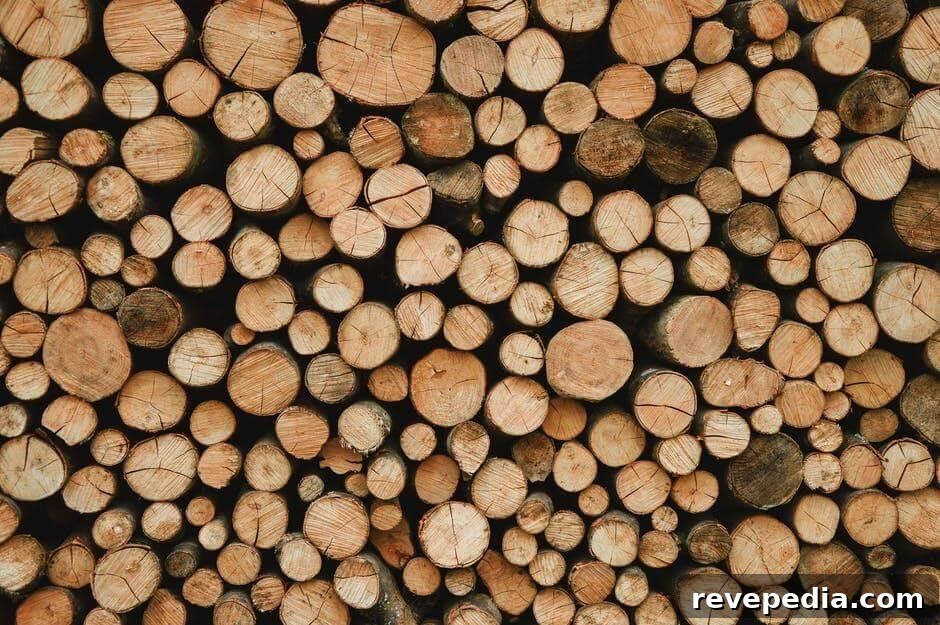
Contemporary development requires a different approach to selecting core construction materials. Many developers now prioritize sustainable wood and other bio-based materials to reduce embodied carbon while preserving structural performance. Timber, when responsibly sourced, combines strength with a lower environmental footprint and supports circular, renewable supply chains.
Choosing timber means verifying its origin and the forest management practices behind it. Wood should come from forests managed to maintain biodiversity, protect habitats and ensure long-term productivity. Using certified materials communicates quality and responsibility to clients and investors, reinforcing the durability and credibility of the finished building.
Setting New Benchmarks for Green Buildings
Green certifications and ratings are among the clearest ways to demonstrate environmental performance. Buyers and tenants increasingly look for recognized credentials that validate a property’s sustainability. Higher certification scores can increase marketability and rental or resale value.
Securing certification requires deliberate planning from the project’s outset. Every primary material, especially framing products, needs documentation to support compliance. Developers who prepare documentation early reduce delays during certification reviews and maintain smoother construction schedules.
The final rating reflects the diligence applied to material selection and traceability. Strong certification results help attract premium tenants and owners who prioritize lower environmental impacts and long-term operating savings.
Understanding the Carbon Impact of Building Choices
Conventional construction often relies on energy-intensive materials such as steel and concrete, which generate significant carbon emissions during production. Replacing a portion of these materials with timber and other low-carbon alternatives can substantially lower a building’s embodied carbon.
Timber structures can reduce embodied carbon in many projects, often delivering meaningful reductions compared with heavy steel-and-concrete solutions. Choosing renewable materials stores carbon in the building fabric for decades and shifts demand away from highly industrialized manufacturing chains, contributing to a cleaner lifecycle impact overall.
Using natural materials helps to lock carbon into the structure and reduce reliance on extractive processes. Over the life of a building, this choice supports climate mitigation goals while aligning projects with evolving regulatory and market expectations.
Tracking the Supply Chain from Forest to Site
Transparency in the supply chain is essential. Developers should establish robust verification practices that track timber from the forest through processing and transport to the construction site. This approach reduces exposure to risks like illegal logging and reputational harm.
Teams tracking timber should focus on several key elements:
- The precise geographic origin of the harvested timber
- Certifications and credentials held by the logging and processing companies
- Transport and logistics methods used from forest to site
- Processing facilities and how the raw logs were handled
A rigorous chain-of-custody and clear documentation protect the brand, reassure investors and position a firm as a leader in responsible sourcing.
Navigating Stricter Regulatory Hurdles Smoothly
Regulatory authorities increasingly require proof of ethical sourcing and supply chain transparency before approving new designs. Teams that maintain verifiable material records frequently experience fewer delays during approvals. Clear documentation can reduce regulatory and financial risk during planning and expedite municipal reviews.
Failing to verify sources may result in fines, stop-work orders or additional conditions on approvals. Building a reliable audit trail and sharing records with authorities can keep projects moving and reduce the likelihood of costly interruptions.
Meeting Market Demand for Ecological Accountability
Market demand is shifting toward properties that demonstrate environmental responsibility. Buyers and tenants want homes and offices that reflect their values, and developers who respond to that demand are better positioned to capture market share. Properties constructed with responsibly sourced timber and green materials often sell faster and can command higher prices from eco-conscious purchasers.
Reports of increased imports of responsibly sourced timber—alongside broader demand for bio-based solutions—indicate a sector-wide move toward greener building practices. Developers who align product offerings with these preferences strengthen their market appeal across both commercial and residential segments.
Balancing Budgets with Ecological Material Selection
Green materials sometimes carry higher upfront costs, which can concern project financial managers. However, strategic planning and whole-life thinking frequently offset initial premiums. Timber structures are lighter than comparable concrete systems, which can reduce foundation requirements and save on excavation and materials.
Prefabricated timber panels and modular wood components can shorten construction timelines, lower interest and loan carrying costs, and reduce equipment rental periods. These time and labor savings often help bring projects in on budget or even improve margins compared to traditional build methods.
Best Practices for Documenting Timber Procurement
Robust documentation underpins any credible sustainability claim. Without records, green commitments carry little weight. Establishing centralized systems for collecting, storing and sharing certificates and receipts is essential for compliance and transparency.
Recommended steps to maintain a clean audit trail include:
- Requesting chain-of-custody certificates with every timber shipment
- Storing digital copies of shipping receipts and certificates in a central repository
- Training procurement teams to recognize valid eco-labels and certifications
- Conducting periodic and random supplier audits throughout the year
Digital tracking platforms enable instant sharing with inspectors and stakeholders, helping to keep projects on schedule and reinforcing trust with regulators and investors.
Creating Long-Term Value for Property Portfolios
Construction choices endure for decades. Buildings assembled from high-quality, renewable materials tend to maintain value and attract institutional capital that prioritizes environmental standards. Sustainable properties are often easier to sell, refinance or include in long-term investment portfolios.
Occupant experience also benefits: exposed timber and natural finishes can improve well-being, contribute to healthier indoor environments and increase tenant satisfaction. Higher satisfaction supports steadier rental income, reduces vacancy risk and can lower long-term maintenance costs.
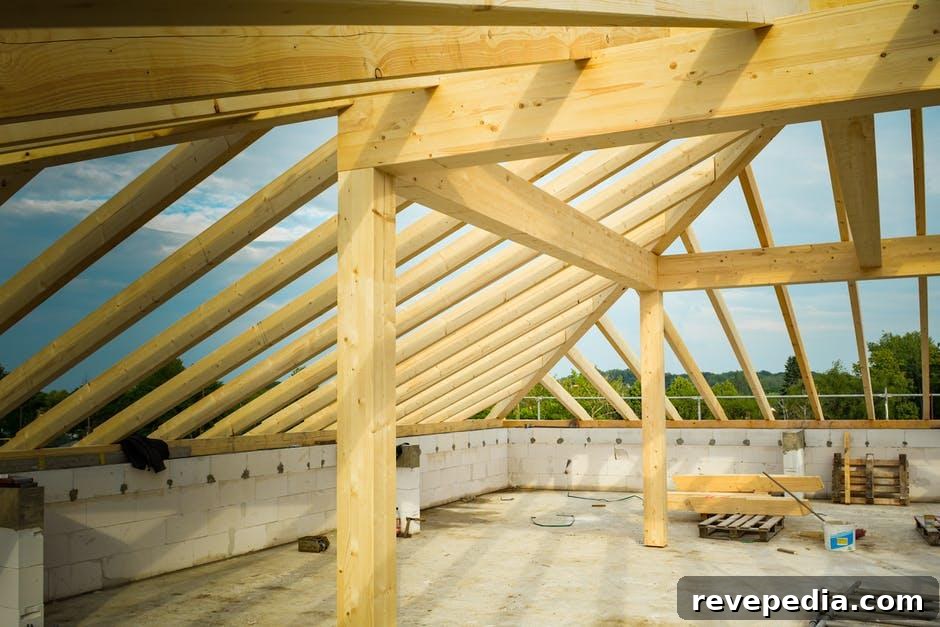
Choosing responsible materials is both an environmental imperative and a smart business strategy. Developers who adopt transparent procurement, invest in certified timber and document their supply chains will be best placed to meet regulatory demands, satisfy market preferences and protect long-term asset value. Those who delay may face higher costs, regulatory friction and reduced market competitiveness. Embracing sustainable sourcing now positions your projects and your company at the forefront of the green building movement.