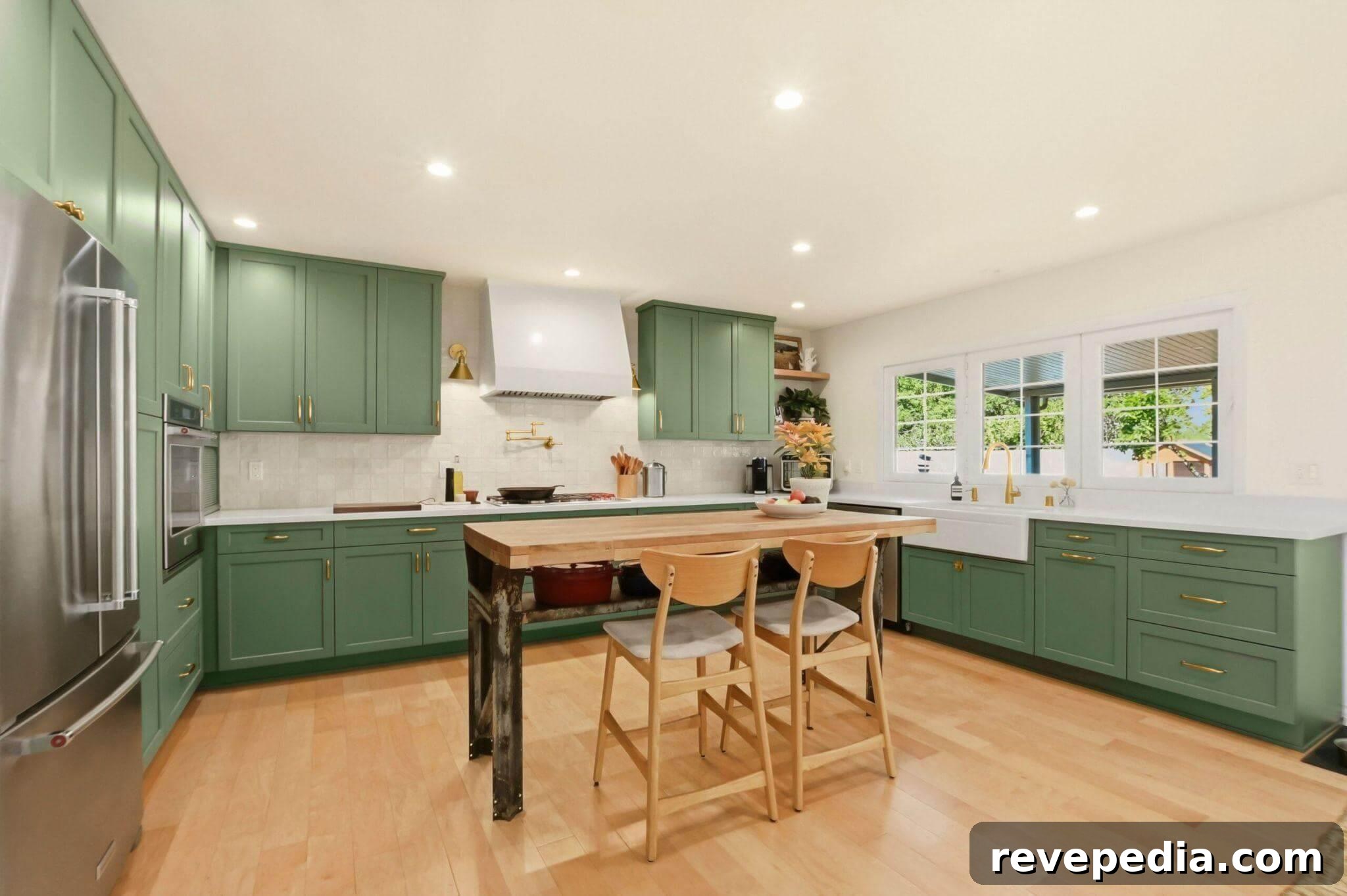
There’s a clear line between projects a motivated homeowner can reasonably handle and those that require a professional team. For many people that line falls somewhere between painting a room and demolishing a load-bearing wall. The real challenge is the work that lies between those extremes — and how homeowners decide which side of the line their project belongs to.
In San Diego, an increasing number of homeowners are choosing the design-build approach for major renovation projects. Understanding what design-build means, why it has grown in popularity, and when it’s the best option for your renovation will help you make a better decision for your home and budget.
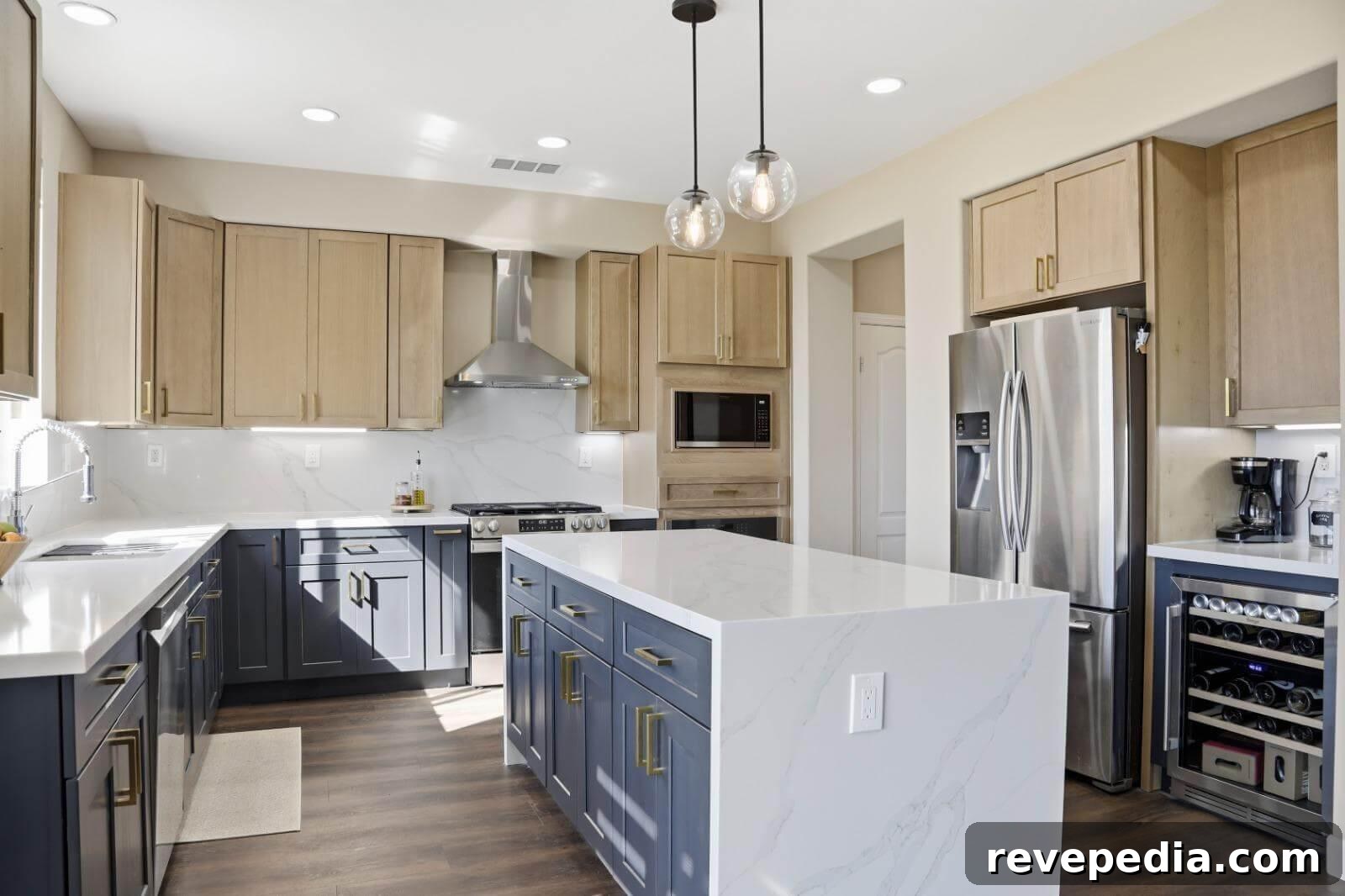
Kitchen remodel by Elements Design & Build, San Diego
What Design-Build Really Means
The traditional renovation model separates design and construction into two distinct contracts and two different relationships: the homeowner hires an architect or designer to create plans, then finds a contractor to execute them. The homeowner often ends up coordinating between the two, which creates friction and can amplify problems when design details don’t match construction realities.
Design-build combines those roles into a single, integrated team. One firm handles design, permitting, and construction from initial concept through final build. Homeowners deal with a single point of contact, a single contract, and one team that is accountable for the final result.
That integration matters. When designers and builders collaborate under the same roof, plans are created with practical construction constraints in mind from the outset. Typical surprises — structural conflicts, unavailable materials, or dimensions that don’t fit existing conditions — are more likely to be resolved during design rather than becoming costly mid-project change orders.
Why Design-Build Matters for Major Renovations
For small, limited-scope projects such as a new backsplash, a vanity swap, or simple exterior paint, the traditional model often works fine. The coordination overhead is low and mistakes are easier to manage.
But once a renovation involves moving plumbing, adding electrical circuits, expanding the home’s footprint, or obtaining permits, coordination becomes far more critical. Complex kitchen remodels, bathroom additions, ADU construction, and whole-home renovations introduce interdependencies where design decisions directly affect structural, mechanical, and code compliance outcomes. Mistakes in those areas can create months of delay and cost tens of thousands of dollars in corrections.
Homeowners who most commonly experience problems on major renovations are those who underestimate the gap between design intent and construction reality — for example, owners who hire a contractor only after designs are complete and discover the plans must be revised, or those who allow construction to begin before designs are finalized.
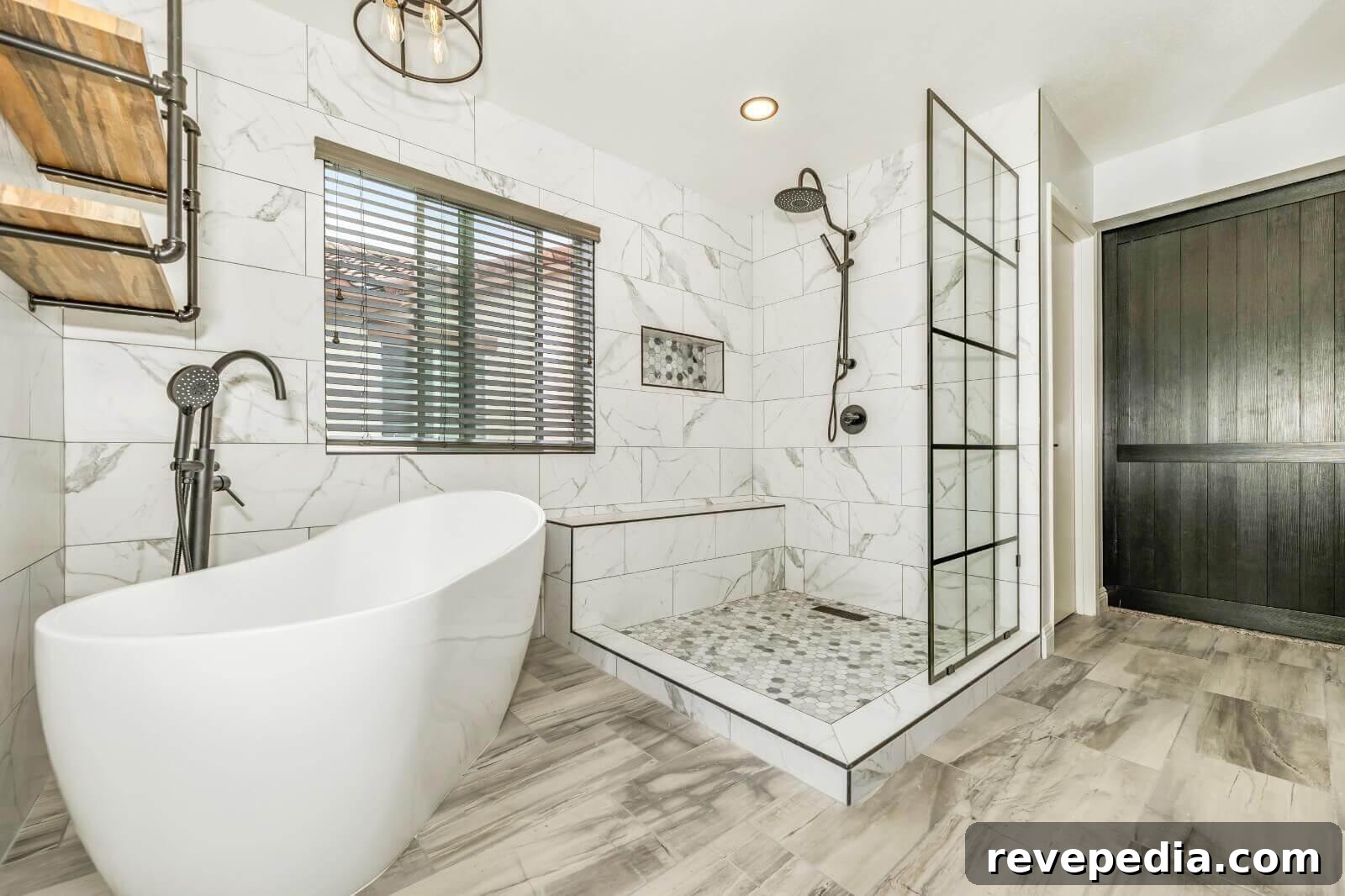
Primary bathroom remodel by Elements Design & Build, San Diego
The San Diego Context
San Diego’s construction market has specific traits that make the design-build model especially relevant. Labor costs are relatively high, permit review timelines can extend projects when documentation is incomplete, and material costs have remained elevated in recent years.
In this environment, efficiency has a direct financial impact. Each week of delay increases carrying costs, can force homeowners into temporary housing when primary living spaces are affected, and compounds the impact of schedule overruns on a fixed budget.
A local design-build team with experience navigating San Diego’s permitting and inspection processes can streamline approvals and schedule sequencing. That institutional knowledge — knowing what permit reviewers expect, how to package drawings for efficient review, and how to plan construction phases to minimize downtime — is difficult to replicate when homeowners manage separate designers and contractors.
Projects Best Suited to Design-Build
Not every project requires a full design-build approach. Use this practical guide to determine which projects benefit most from integrated design and construction:
Projects where design-build provides clear advantages:
- Kitchen remodels that change layout or involve relocating plumbing and appliances
- Primary bathroom renovations or bathroom additions that require plumbing and electrical work
- Room or home additions that alter the building envelope or structure
- Accessory dwelling unit (ADU) construction, where permitting complexity and site constraints matter
- Whole-home renovations or multi-room projects with interdependent trades
- Historic home restorations where design choices must align closely with structural and preservation requirements
Projects where a simpler approach is usually sufficient:
- Cosmetic updates such as painting, surface finishes, or changing fixtures and hardware
- Single-trade jobs like new flooring, roof replacement, or HVAC upgrades
- Small bathroom refreshes that do not involve moving plumbing or structural elements
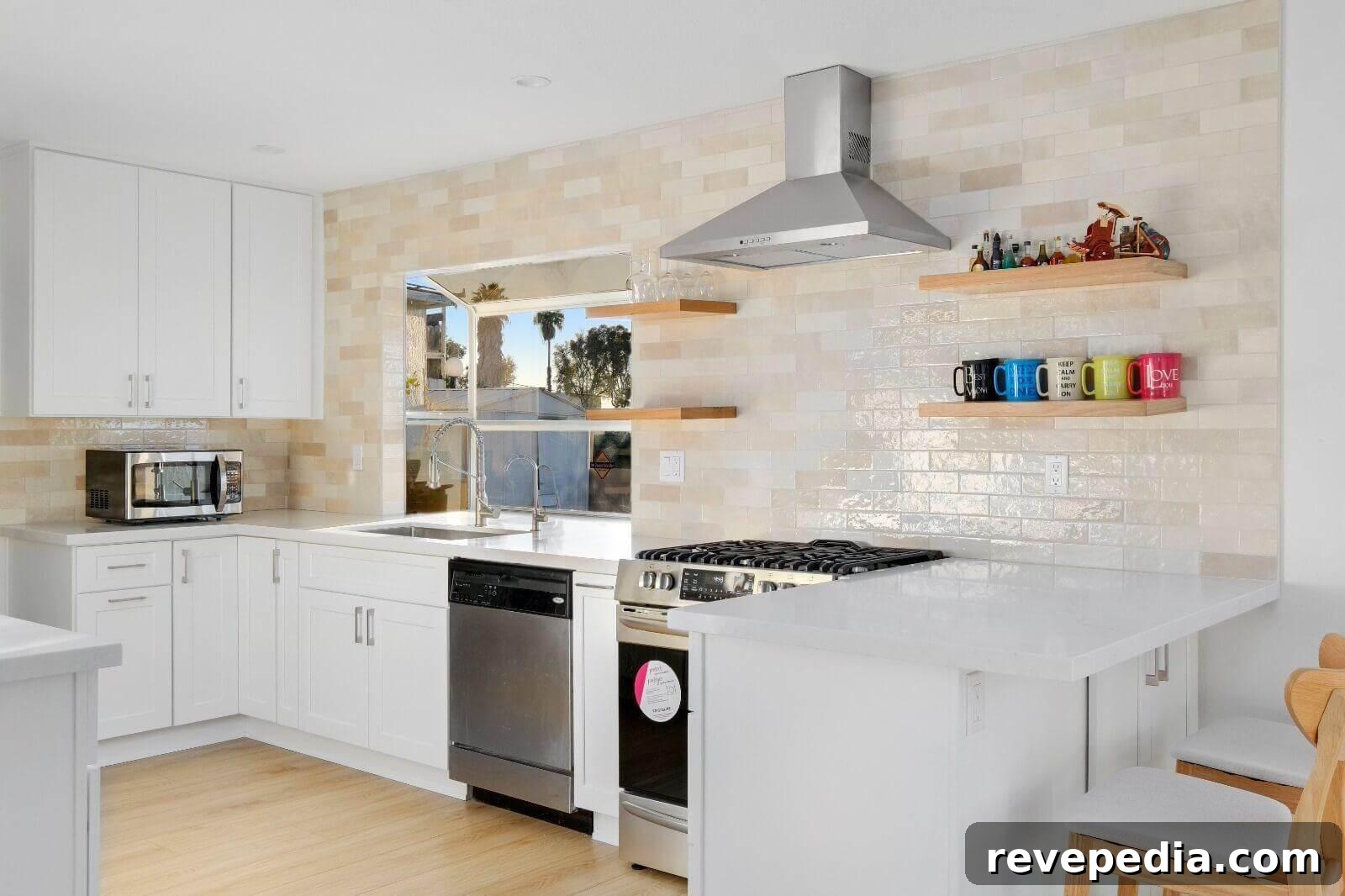
Kitchen renovation by Elements Design & Build, San Diego
How to Evaluate a Design-Build Contractor
The success of the design-build model depends on the team executing it. When interviewing firms, consider the following factors:
Portfolio and references. Request completed project examples similar in scope to yours and ask for contactable references. Experience with multiple comparable projects in San Diego indicates familiarity with local permitting and construction challenges.
In-house design versus subcontracted design. Some firms market themselves as design-build but outsource design work. That can be effective, but ask who owns the design, how communication is handled across teams, and how responsibilities are coordinated to avoid gaps.
Cost transparency. Integrated teams often provide detailed cost estimates earlier because design and estimating occur together. If a firm is vague about pricing until after you’ve committed to a design agreement, that’s a warning sign.
Communication and project management. Major renovations can take months. Ask how day-to-day communication is handled, who your primary point of contact will be, how changes are documented, and how decisions are processed during construction.
Making the Decision
Design-build is the right choice when a project’s complexity means the cost of coordination failure is greater than the cost of integrated management. In San Diego, that threshold is frequently crossed for major kitchen remodels, bathroom renovations, room additions, ADU construction, and whole-home projects.
For homeowners in San Diego County, selecting an experienced local design-build contractor who manages both design and construction can make the difference between a renovation that finishes on time and on budget and one that experiences costly delays and revisions.
Elements Design & Build is a San Diego-based design-build contractor specializing in kitchen and bathroom remodeling, room additions, ADU construction, and whole-home renovations across San Diego County.