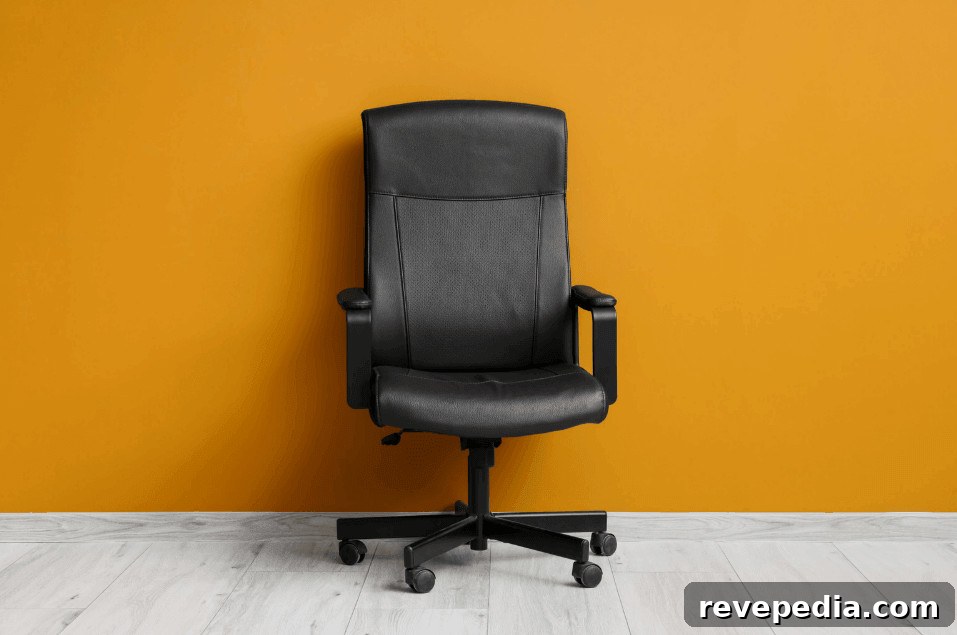
Whether you’re outfitting a home office or supplying an entire workplace, selecting the right office chair goes beyond appearance. Comfortable, well-engineered seating improves productivity, supports proper posture, and contributes to a more functional workspace. If you’re buying office chairs wholesale or comparing manufacturers, evaluating wholesale suppliers and their product lines helps you compare design, materials, ergonomics, and pricing.
A trustworthy office chair manufacturer plays a crucial role in delivering consistent quality, durability, and ergonomic support. Businesses and homeowners benefit from working with reputable suppliers to understand how design choices, material selection, and manufacturing standards affect long-term performance and total cost of ownership.
With many manufacturers on the market, knowing what to look for makes the selection process easier. Understanding the key factors—product quality, ergonomics, pricing, and support—helps you choose seating that fits your workspace, budget, and long-term needs.
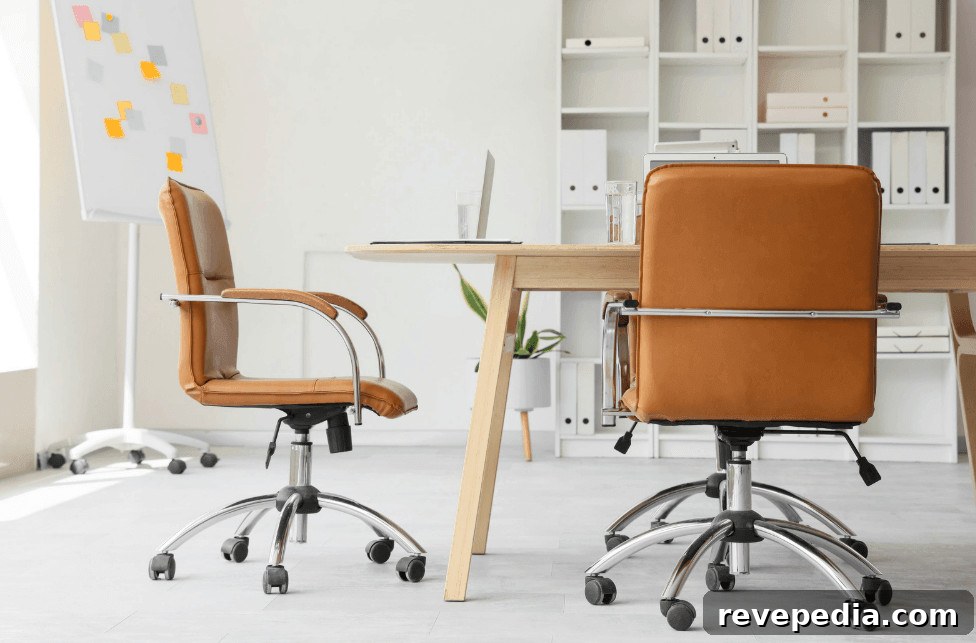
Why the Right Office Chair Manufacturer Matters
Office chairs are used daily, often for long stretches. Poorly designed or cheaply constructed chairs can cause discomfort, reduce focus, and increase replacement frequency. A reputable manufacturer delivers more than attractive furniture: they design for ergonomics, use high-quality materials, and implement manufacturing standards that ensure longevity and consistent performance.
When evaluating manufacturers, consider whether they prioritize:
- Ergonomic design and human-centered engineering
- Durable, long-lasting materials
- Robust quality control and manufacturing standards
- Comfort and user adjustability
- Clear warranty terms and customer support
Define Your Business Requirements First
Before comparing manufacturers, define your specific needs. Office size, employee roles, expected daily use, and budget all influence the right choice. Answering these questions narrows the field and aligns purchases with actual requirements:
- How many chairs are needed right away and in the near future?
- Will chairs be used for extended periods each day?
- Is adjustable ergonomics a priority for your workforce?
- What overall look, feel, and workspace environment do you want to create?
- What is the available budget for initial purchase and ongoing maintenance?
Key Factors When Choosing a Manufacturer
Not all manufacturers deliver the same level of quality. Use these criteria to compare suppliers and select a partner that meets your long-term needs.
Product Quality and Materials
Material quality directly affects an office chair’s lifespan and performance. Reliable manufacturers choose components that withstand daily use and preserve comfort over years.
Important components to evaluate include:
| Component | Why It Matters |
| Chair frame | Provides structural strength and load-bearing stability |
| Seat foam | Determines comfort, pressure distribution, and long-term support |
| Upholstery | Affects durability, cleanability, and appearance |
| Casters | Influences mobility and floor compatibility |
| Adjustment mechanisms | Controls ergonomic flexibility and ease of use |
Higher-quality materials can increase the upfront cost but generally reduce long-term replacement and maintenance expenses.
Ergonomic Design and Comfort
Ergonomics should be a top priority. Properly designed chairs promote neutral posture, reduce strain, and support productivity. Look for features that allow individual adjustment to accommodate diverse body types and work habits:
- Height-adjustable seats
- Contoured lumbar support
- Adjustable armrests
- Multi-position tilt and recline controls
- Seat depth and width options
- Supportive backrest geometry
Manufacturer Experience and Reputation
Manufacturers with a proven track record are more likely to deliver consistent performance. Research operational history, customer reviews, case studies, and references from other businesses. A solid reputation often signals reliable product quality and responsive service.
Product Range and Flexibility
A broad product line makes it easier to match seating to different office zones—open workstations, executive offices, meeting rooms, or reception areas. Typical categories include ergonomic chairs, executive chairs, conference seating, task chairs, and guest chairs. A diverse catalog enables consistent design while addressing varied user needs.
| Chair Type | Suitable For |
| Ergonomic chairs | Long working hours and intensive computer use |
| Executive chairs | Management offices and professional spaces |
| Conference chairs | Meeting rooms and collaborative spaces |
| Task chairs | General office tasks and flexible workstations |
| Guest chairs | Reception areas and visitor seating |
Customization and Branding
Many organizations require chairs that match corporate colors, specific materials, or dimensional needs. Manufacturers that offer customization—upholstery choices, color options, logo placement, and bespoke dimensions—help maintain a cohesive office identity while meeting functional requirements.
Pricing, Warranty, and Overall Value
Price matters, but the lowest bid is not always the best value. Consider total cost of ownership: material quality, expected lifespan, maintenance needs, and warranty coverage. A higher-quality chair with a strong warranty and accessible replacement parts can deliver better long-term value.
Customer Support and After-Sales Service
Good manufacturers provide clear warranty details, ready access to replacement parts, and responsive customer support. Strong after-sales service reduces downtime and extends product life, giving you confidence in your investment.
Sustainability and Responsible Manufacturing
Environmental responsibility is increasingly important. Choose manufacturers that emphasize recyclable materials, efficient production practices, and durable designs that reduce waste from frequent replacement. Sustainable choices align with corporate responsibility goals and often yield durable, long-lasting products.
Common Selection Mistakes to Avoid
Common errors include choosing solely on price, overlooking ergonomics, neglecting warranty details, and failing to compare multiple manufacturers. Investing time in research prevents costly mistakes and ensures better comfort, durability, and employee satisfaction.
Essential Questions to Ask Manufacturers
| Question | Purpose |
| What materials are used? | Assess quality and durability |
| Are replacement parts available? | Plan for maintenance and repairs |
| What warranty is provided? | Understand long-term protection |
| Are products durability-tested? | Confirm reliability under regular use |
| Can products be customized? | Verify flexibility for branding and fit |
Final Thoughts
Choosing the right office chair manufacturer is an investment in comfort, durability, and productivity—whether you’re furnishing a home office or equipping a larger workplace. Prioritize ergonomic features, material quality, product variety, warranty support, and sustainable practices. By comparing these factors and asking the right questions, you’ll select a manufacturer that helps create a comfortable, efficient workspace that performs well for years to come.