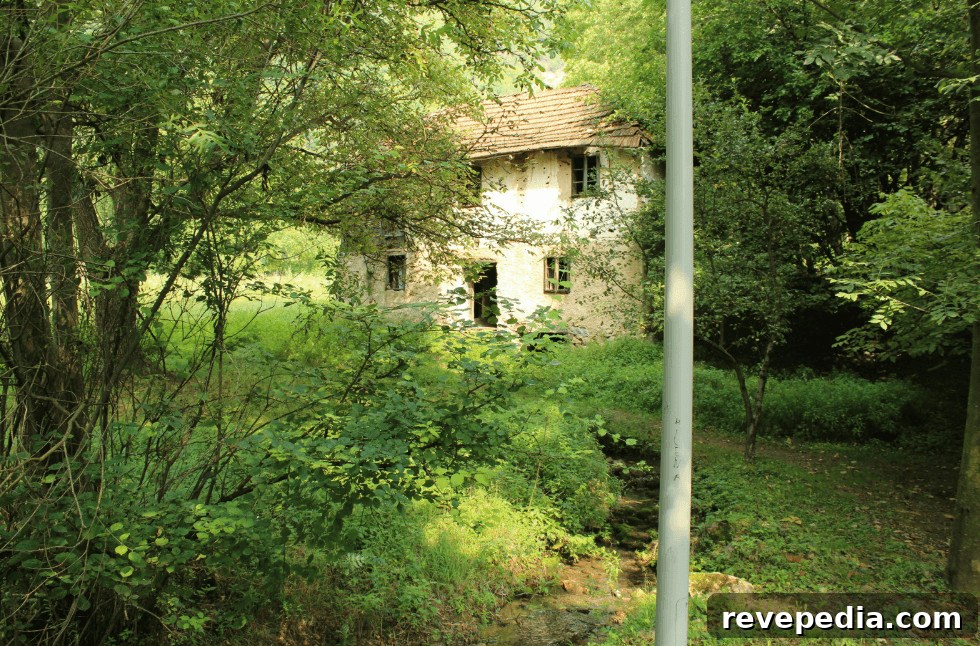
Most homeowners concentrate on visible upgrades—remodeling the kitchen, refreshing landscaping, or installing new flooring. Those improvements certainly enhance curb appeal, but unseen problems often have a greater impact on property value. Small issues left unattended can escalate into costly repairs, create red flags during inspections, or deter potential buyers when it’s time to sell.
The encouraging news is that many hidden liabilities are preventable with routine care and a proactive approach. Regular maintenance and timely inspections protect your home’s condition and preserve one of your largest financial investments.
(photo credit: Microsoft Stock Images)
Water Damage Often Begins Small
Water is one of the most common and destructive causes of long-term property damage because it can affect multiple components before showing visible signs. A slow leak in a pipe inside a wall, a damaged or missing shingle on the roof, or gutters that are clogged and overflowing may appear insignificant initially. Over time, however, these problems can lead to mold growth, wood rot, compromised insulation, and structural deterioration.
Inspect areas around windows and doors for water stains, check beneath sinks and around water heaters and appliances for dampness or pooling, and follow seasonal checks of the basement or crawl space after heavy rain to detect moisture accumulation. Outside, ensure gutters and downspouts channel water well away from the foundation. Early detection and repair of small leaks or drainage issues are far less expensive than correcting widespread water damage later.
Deferred Maintenance Sends the Wrong Message to Buyers
Every home needs ongoing upkeep. Delaying minor repairs can lead to bigger, more expensive problems that erode property value. Loose or missing shingles, cracked caulk around windows and doors, worn weatherstripping, warped siding, and peeling exterior paint expose the house to moisture and accelerated wear.
Mechanical systems also require routine service. Replacing HVAC filters regularly, scheduling annual heating and cooling system inspections, and keeping vents and condensate lines clean allow equipment to run efficiently and helps prevent premature failure. A home that shows consistent, visible maintenance reassures buyers that major systems were likely cared for as well.
Electrical and Plumbing Systems Need Periodic Professional Review
Older electrical and plumbing systems can directly affect both safety and resale value. Outdated electrical panels, overloaded circuits, DIY wiring, or aging outlets and switches may become significant concerns during a home inspection. Addressing these issues proactively reduces safety hazards and potential surprises when listing the property.
Plumbing problems can remain hidden for years: corroded pipes, slow leaks within walls, poor drainage, and aging supply lines can damage drywall, flooring, cabinetry, and structural framing before anyone notices obvious symptoms. If your property is several decades old or has never had a professional systems evaluation, consider hiring licensed electricians and plumbers for inspections to identify issues early and budget for repairs.
Environmental Concerns Should Be Evaluated Before Selling
Certain liabilities are not apparent on a routine walk-through. Depending on the home’s age, location, and previous uses, buyers may request tests for radon, asbestos, mold, lead-based paint, or contaminants associated with underground storage tanks. Discovering these issues during a sales transaction can postpone or derail negotiations.
Proactively testing for environmental hazards before listing gives homeowners time to remediate known problems on their own schedule and to provide clear documentation to prospective buyers. Having inspection reports and remediation records on hand reduces uncertainty and builds buyer confidence.
Accurate Property Records Reduce Closing Delays
A well-maintained house can still encounter transaction problems if essential records are incomplete or inaccurate. Unpermitted renovations, unclear property boundaries, unresolved easements, or missing documentation for major replacements may slow the closing process and create legal or financial complications.
Homeowners should periodically review permits, surveys, warranties, and records for any substantial repairs or installations—roof replacements, HVAC upgrades, electrical panel work, or structural changes. Organizing and keeping these documents accessible demonstrates responsible ownership and streamlines future sales or refinancing.
Landscaping and Trees Can Become Hidden Liabilities
Attractive landscaping and healthy trees add curb appeal, but neglected vegetation can cause expensive damage. Tree roots may disturb foundations, sidewalks, driveways, and underground utility lines. Overhanging branches can strike the roof in storms or drop debris that accelerates shingle wear.
Placement of shrubs and plantings matters, too. When dense vegetation sits directly against exterior walls, it can trap moisture, limit airflow, and invite insects or rodents. Regular trimming, proper planting distance from the house, and occasional inspections by an arborist help prevent landscaping-related damage before it affects the home’s structure or utility systems.
Small Habits Protect Long-Term Value
Preserving property value usually comes down to consistent habits rather than dramatic renovations. A quick seasonal walk-around—checking caulk and weatherstripping, inspecting the roof for loose or damaged shingles, looking for standing water near the foundation, and watching for pest activity—takes little time but can prevent much larger problems down the road.
Maintaining organized records is another high-return habit. Save receipts, inspection reports, maintenance logs, and warranties in a single, accessible location so they’re available when questions arise. If disputes or claims ever emerge, well-documented maintenance histories often simplify resolution and support valuation. Professionals who review property matters commonly rely on clear maintenance records, photographs, and repair histories when evaluating issues.
Establishing relationships with trustworthy contractors—roofers, plumbers, electricians, HVAC technicians, and pest-control specialists—also makes it easier to address problems quickly without procrastination. Timely responses to emerging issues reduce repair costs and lessen the likelihood of a problem escalating into a major liability.
Hidden liabilities rarely appear suddenly. Most start as manageable, localized problems that expand over time when ignored. By prioritizing routine maintenance, scheduling periodic professional inspections, keeping accurate records, and addressing concerns early, homeowners can protect property value and reduce the risk of costly surprises during a future sale. Take a careful walk around your property this season—spotting and fixing small issues now can safeguard your investment for years to come.
Infographic: