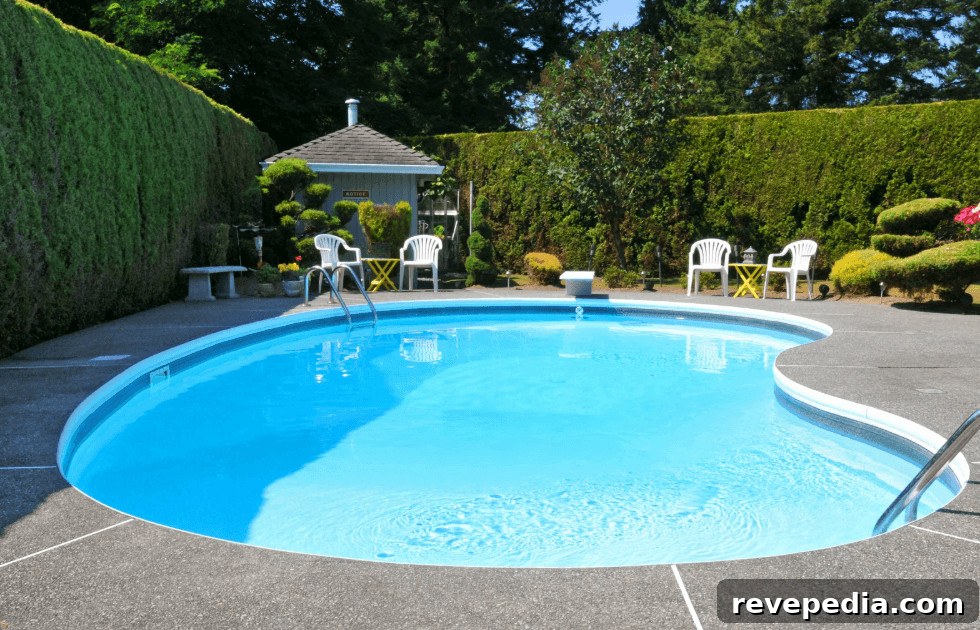
Opening a swimming pool after winter involves more than simply removing the cover and restarting the pump. A careful, methodical opening protects equipment, restores safe water quality, reduces the risk of mid-season repairs, and sets the stage for a trouble-free swimming season. For property managers and homeowners alike, following a consistent checklist ensures nothing important is missed.
photo credit: Microsoft Stock Images
Start With a Careful Inspection
Begin by surveying the pool area before taking the cover off. Check for fallen branches, damaged fencing, loose gates, or other hazards that could pose a safety risk once the water is uncovered. Look for signs of animal activity around the pool perimeter and equipment pad.
Examine the cover closely while it is still on. Standing water, rips, broken anchors, or excessive wear may require repairs or replacement before storage. Properly addressing cover damage now prevents deterioration and maintains the cover’s protective value.
After the cover is removed, inspect the pool deck, coping, handrails, and ladders. Identify cracks, loose coping stones, uneven surfaces, or corrosion on metal components. Repairing structural issues early is less costly and safer than waiting until the pool is in heavy use.
Clean the Pool Before Starting Equipment
Debris collects over the winter. Use a leaf net to remove leaves, twigs, and loose debris before powering up the circulation system. This reduces the load on pumps and filters and helps avoid clogs that can cause damage.
Brush the walls, steps, and floor to loosen algae or settled dirt, then vacuum the loosened material to remove it before it reaches the filter. Pre-cleaning the pool helps the filtration system work more efficiently and speeds the water-clearup process during startup.
Inspect the Pool Equipment
Inspect the equipment pad thoroughly before restarting anything. Pumps, filters, heaters, valves, and visible plumbing should be checked for cracked fittings, leaking joints, damaged seals, and loose electrical connections. Look for rodent nests, chewed wires, or debris that could impair operation.
Clean the pump and skimmer baskets and replace filter media or cartridges if required by the manufacturer’s schedule. Restore power only after confirming all electrical components and wiring are dry and secure. When you restart the system, observe it closely for unusual sounds, vibration, leaks, or pressure fluctuations that may indicate a problem.
Test and Balance the Water
Water chemistry is central to a successful opening. Test pH, free chlorine, total alkalinity, calcium hardness, and stabilizer levels using a reliable test kit. Make adjustments gradually—avoid adding multiple chemicals at once—and follow product directions to prevent overcorrection.
If the pool is cloudy or shows signs of algae, address those conditions with targeted treatment and consistent filtration. Running the circulation system continuously for the first 24–48 hours while monitoring chemical levels often brings water clarity back quickly. Keep written records of test results and treatments to track progress and guide future maintenance.
Check Safety Features Before the First Swim
Confirm all safety components are functional before allowing swimmers: gates should close and latch properly, self-closing mechanisms should operate as intended, and pool alarms, safety covers, ladders, handrails, and rescue equipment must be in good working order. Replace or repair any compromised items immediately.
Address slip hazards on decks by pressure washing or scrubbing away algae and mildew. If children will use the pool, review household safety rules and emergency procedures with family members and caregivers to reinforce safe behavior around water.
Create a Maintenance Schedule Early
Consistency prevents problems. Establish a regular maintenance routine that includes weekly testing and cleaning tasks—skimming, brushing, vacuuming, and emptying baskets—to keep water quality stable. Monthly inspections of equipment help identify wear and tear before it leads to failure during peak season.
Use a calendar or maintenance log to schedule tasks and track performed work. A written plan helps teams and homeowners stay organized, reduces the chance of missed steps, and provides a record for troubleshooting later.
Choose Quality Pool Products
Select reputable chemicals and supplies to ensure consistent results and protect equipment longevity. Follow label instructions and store products safely in a cool, dry location away from children and pets. For managers of multiple pools, sourcing supplies from reliable vendors familiar with commercial-grade needs can streamline maintenance.
Practical Steps to Make Future Openings Easier
Preparation at the end of the season makes spring openings far easier. Inspect and repair the cover before storing it so it remains effective over winter. Maintain a checklist for your opening routine to ensure every step is completed reliably each year.
Keep a small inventory of commonly needed spare parts—O-rings, pump lids, test strips, and filter components—so minor issues don’t delay reopening. Above all, don’t rush. Taking the time to inspect equipment, clean thoroughly, balance water properly, and verify safety features now prevents larger problems later and helps ensure a safe, enjoyable swimming season.
Infographic placeholder