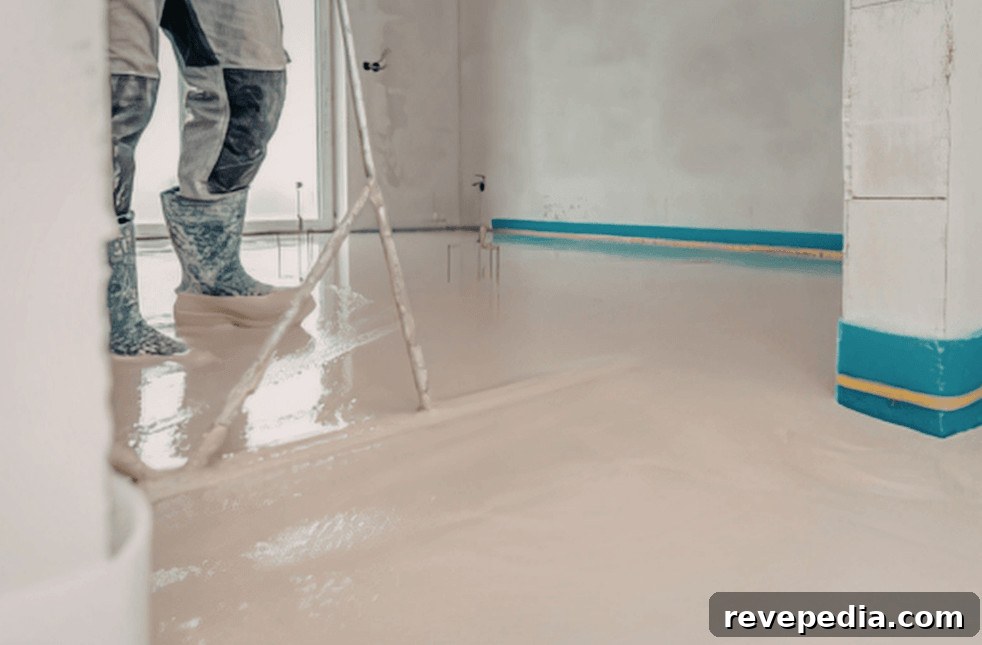
A bare concrete floor is one of the most overlooked surfaces in a home. It cracks, stains, sheds dust, and quietly drags down the appearance of a garage, basement, or other utility space. A quality coating transforms that raw slab into a durable, easy-to-clean surface that looks finished and professional.

Photo by Serjan Midili on Unsplash
Interest in concrete floor coatings has grown quickly, along with the number of contractors offering installation. Based in Fort Wayne, IN, Duration Concrete Coatings by Duralast has expanded service areas across northwest Ohio, now serving Defiance, Bryan, Van Wert, Paulding and nearby towns. This guide explains how common coating systems work, where they add the most value, and how to choose the right product and contractor.
Why Coat a Concrete Floor at All?
Raw concrete is porous and vulnerable in ways many homeowners underestimate. Left uncoated it absorbs oil, road salt, and moisture that both stain the surface and weaken the slab over time. Bare concrete also produces fine dust that spreads across tools, cars, and storage.
A coating seals the surface against stains and moisture, resists chemicals, and wipes clean in seconds. It prevents dusting and makes the floor easier to sweep and maintain. Beyond practical benefits, a coated floor instantly upgrades the look of a garage, basement, patio, or workshop—helping the whole space feel cleaner and more finished.
There is a resale benefit as well: a tidy, coated garage or basement improves perceived home quality. It’s a relatively small investment that raises the perceived value and usability of the space.
What Are Your Coating Options?
Several common coating systems each offer different strengths. The right choice depends on the space, expected traffic, exposure to sunlight, and how quickly you need the area back in service.
- Epoxy: a durable, cost-effective classic that bonds strongly to concrete and resists abrasive wear.
- Polyaspartic: cures very quickly, tolerates a wider range of temperatures during installation, and resists yellowing from sunlight.
- Polyurea: valued for flexibility and excellent abrasion and impact resistance, often used in high-performance industrial settings.
- Acrylic sealers: a budget-friendly option for lighter-duty areas where long-term durability is less critical.
- Decorative finishes: colored flakes or metallic coatings added on top of base systems for a custom look and improved slip resistance.
For most residential settings, epoxy and polyaspartic systems dominate because they balance durability, appearance, and cost. Low-VOC options are available for homeowners concerned about fumes during installation, especially in enclosed basements. A qualified contractor can recommend the best system for your climate, slab condition, and daily use.
Where Do Coatings Make the Biggest Difference?
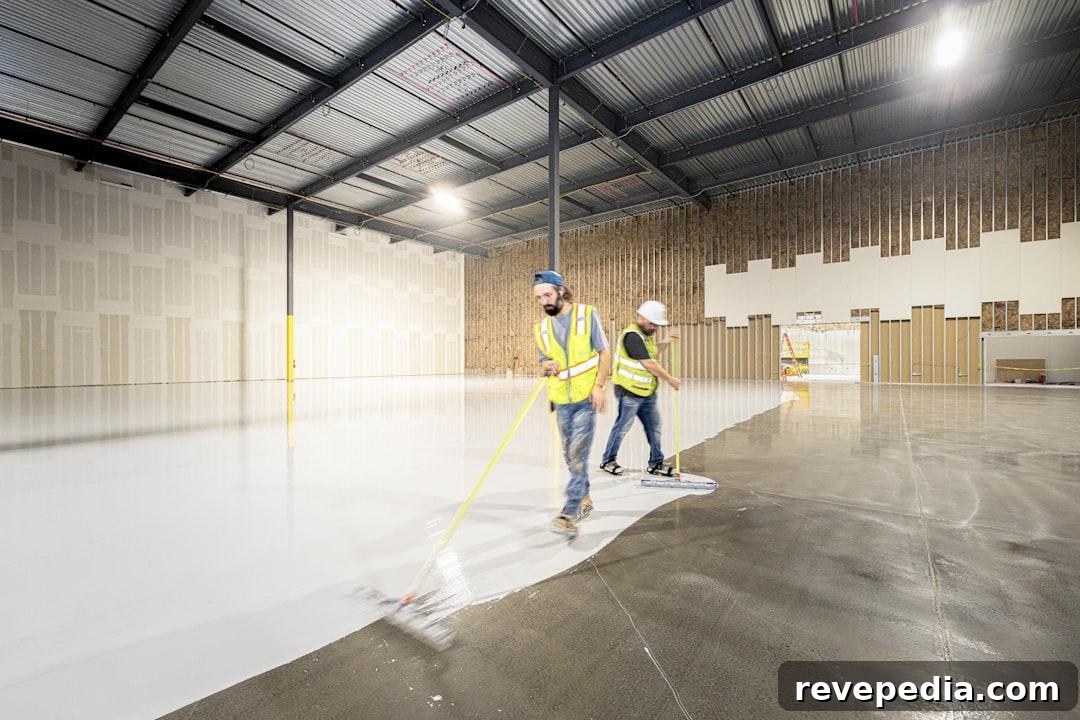
Photo by Craftsman Concrete Floors on Unsplash
Coatings provide the most value where concrete is exposed to heavy use, spills, or temperature changes. Garages are the classic example: oil, vehicle weight, tire wear and salt all punish a slab. Basements benefit from a coating that brightens the space, controls dust, and makes cleanup easier. Outside, patios, pool decks and walkways can gain traction and a coordinated look with specialty outdoor coatings.
High-traffic, high-exposure areas get the quickest return on investment. Low-use corners and storage-only areas may not justify the cost of a premium system.
Should You DIY or Hire a Pro?
The deciding factor is surface preparation and your comfort with precise, time-sensitive work. Basic acrylic sealers and small patch projects are within reach for a careful DIYer. Long-lasting systems such as multi-coat epoxy or polyaspartic require diamond grinding, moisture testing, and rapid, accurate application. Mistakes in prep or timing commonly lead to premature peeling, which is expensive to remove and redo.
When Is a Professional Worth It?
For most durable, long-lasting installations, hiring a professional is the safer and more cost-effective approach in the long run. Professionals bring equipment like diamond grinders and moisture meters, and they have the experience to apply coatings within their optimal working windows. That expertise reduces the risk of early failure and ensures warranties and performance expectations are met.
How Do You Choose a Coating Contractor?
Because surface preparation is invisible once the topcoat is installed, choosing the right contractor is crucial. Ask specific questions and verify their process:
- How will they prepare and grind the concrete surface?
- Which product system will they use, and what warranty accompanies it?
- Do they test for slab moisture and document the results before coating?
- Can they provide photos and local references from completed jobs?
- Is the scope, timeline, and total price provided in writing?
A reputable installer will explain the prep steps, show product data sheets, and stand behind their workmanship. Local experience matters because slab conditions and climate influence which systems perform best.
Key Points About Concrete Floor Coatings
- Bare concrete stains, cracks, and sheds dust over time; coatings arrest these problems.
- Coatings seal and protect the slab, simplify cleaning, and improve appearance.
- Epoxy and polyaspartic are the leading residential choices for durability and finish.
- Garages, basements, and outdoor decks benefit most from coatings.
- Proper surface preparation determines whether a coating lasts or fails.
- Vet contractors on prep process, products, warranty and references before hiring.
Getting a Floor That Lasts
When you match the coating system to the space, prioritize thorough surface prep, and work with a qualified local contractor, a dusty, stained slab becomes a hard-wearing, attractive floor that lasts for years. A correctly installed coating delivers durability, easier maintenance, and a finished appearance that improves daily use and long-term value.
Frequently Asked Questions
How long does a concrete floor coating last?
A professionally installed epoxy or polyaspartic floor can last a decade or more under normal residential use. Longevity depends heavily on surface preparation, product quality, and traffic patterns. Lower-cost DIY sealers typically need reapplication much sooner.
Is epoxy or polyaspartic better for a garage?
Both are solid choices. Epoxy is durable and economical; polyaspartic cures faster, tolerates wider temperature ranges during installation, and resists yellowing from UV exposure. A contractor can recommend the optimal choice for your climate and timing constraints.
Can I coat a concrete floor myself?
Basic acrylic sealers are doable for an experienced DIYer, but durable epoxy and polyaspartic systems usually require professional grinding, moisture testing, and rapid application that make hiring a pro the safer option for a long-lasting result.
Why does surface preparation matter so much?
A coating can only adhere as well as the concrete beneath it. Proper grinding, cleaning and moisture testing create a stable surface for bonding. Skipping or skimping on prep is the single biggest cause of early coating failure.