Many homeowners spend decades mowing, watering, trimming, and maintaining their yards without considering how those responsibilities may change over time. As retirement approaches, priorities often shift: having more free time is a welcome change, but spending every weekend on demanding outdoor chores often becomes less appealing.
Planning ahead enables you to create a landscape that remains attractive while demanding less effort. Whether retirement is several years away or imminent, making gradual, thoughtful improvements now will save time, reduce maintenance costs, and make your property easier to enjoy for years to come.
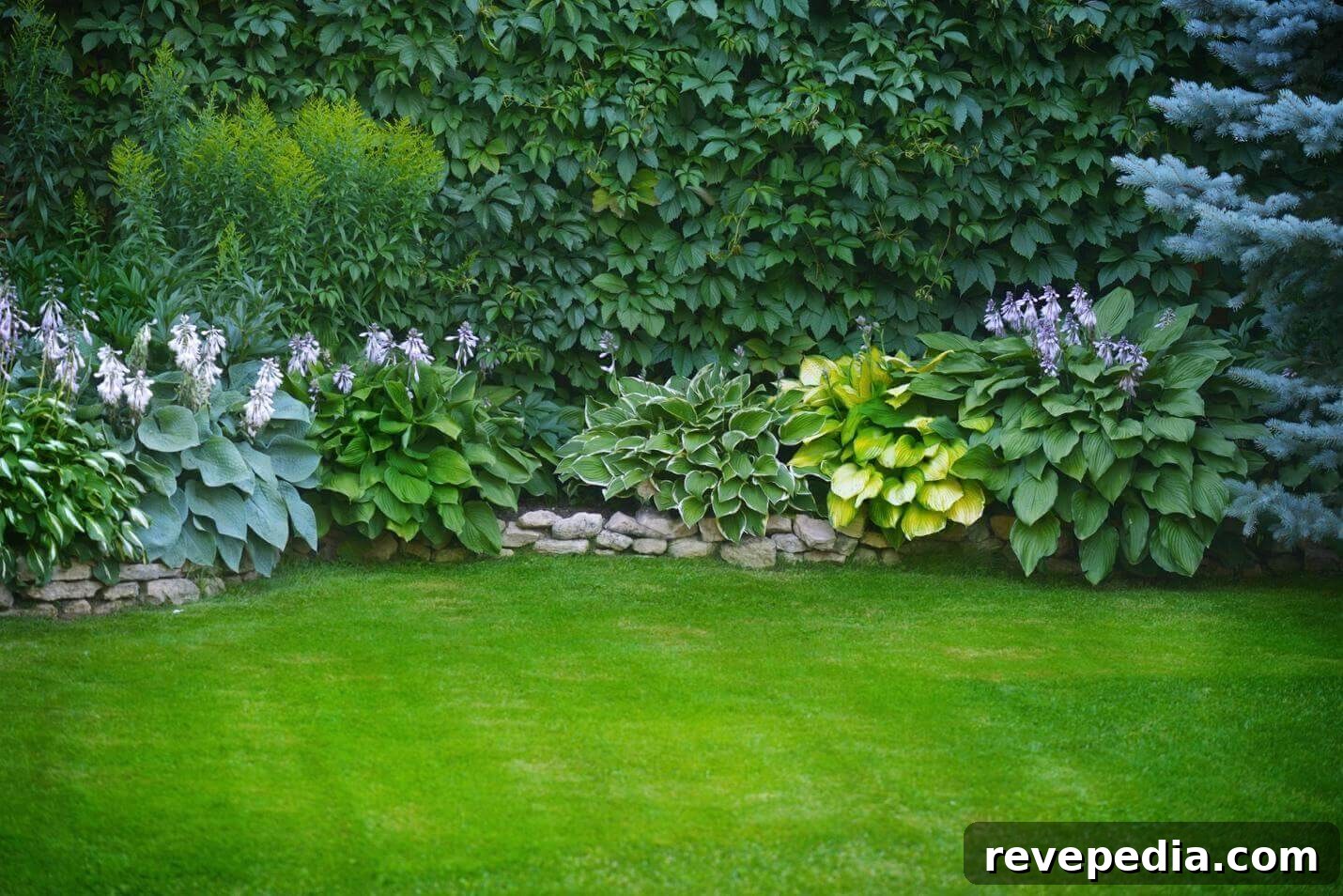
(photo credit: Microsoft Stock Images)
Start With an Honest Assessment
Begin by walking your property and noting which outdoor tasks take the most time and physical effort. Large expanses of lawn, steep slopes, oversized flower beds, and shrubs that require frequent pruning often create the heaviest maintenance burden.
Look for areas that repeatedly need repairs or extra attention. Poor drainage, uneven ground, and planting beds that are hard to reach will become more frustrating as mobility changes. Take notes through each season to identify recurring problems that could be solved with a one-time upgrade instead of ongoing fixes.
Reduce High-Maintenance Grass Areas
A large lawn can look great, but it is usually the most work-intensive element of a yard. Mowing, edging, fertilizing, watering, and weed control accumulate into many hours of labor during the growing season.
That doesn’t mean you must eliminate grass completely. Instead, ask whether every patch of turf serves a clear purpose. Underused sections are often better replaced with mulch, decorative stone, native groundcovers, or expanded flower beds planted with low-maintenance shrubs. Shrinking the total turf area can dramatically reduce weekly chores while creating more interesting, resilient landscape zones.
Choose Plants That Thrive Locally
Selecting plants that suit your climate and soil will cut down on care. Native trees, shrubs, ornamental grasses, and perennials typically adapt to local rainfall and temperature patterns, which reduces the need for supplemental watering, fertilizing, and pest treatments.
Group plants by similar sunlight and moisture needs to simplify maintenance. When beds share watering and pruning schedules, you can manage larger areas more efficiently. Perennials also provide long-term value by returning year after year, eliminating the need for frequent replanting and lowering both cost and effort.
Make Watering More Efficient
Dragging hoses and hand-watering large beds gets harder over time. Upgrading irrigation now will make future maintenance far easier. Consider installing targeted irrigation systems that deliver water directly to plant roots, and use timers or smart controllers to set schedules that respond to weather conditions.
Adding a generous layer of mulch around trees, shrubs, and flower beds preserves soil moisture, reduces weeds, and lessens the frequency of watering. These changes conserve water, lower bills, and reduce the time you spend on routine watering tasks.
Simplify Tree and Shrub Care
Trees and shrubs contribute shade, structure, and value, but they also demand planning. Fast-growing species often need regular pruning and can later interfere with roofs, sidewalks, or utility lines.
When planting, focus on the tree’s mature size, not its small initial appearance. Choosing slower-growing or naturally compact species that fit the available space will minimize future pruning and lower the chance of expensive removals. The same logic applies to shrubs: compact, well-formed varieties tend to need less trimming than vigorous, spreading types.
Improve Accessibility Throughout the Yard
Design the landscape so it remains comfortable and safe to use at every stage of life. Smooth walkways, level garden paths, and sturdy steps improve accessibility and reduce the risk of trips and falls. Consider raised beds for vegetables and flowers to lessen bending and kneeling while keeping planting tasks achievable.
Scatter comfortable seating areas around the yard to create inviting, low-effort spaces to relax. Thoughtful outdoor lighting along paths and near seating enhances usability after dark and adds a layer of safety by improving visibility.
Plan for Long-Term Equipment Needs
Yard care includes maintaining tools and equipment. Mowers, trimmers, blowers, and other devices require fuel, storage space, and occasional repairs.
As you approach retirement, consider transitioning to lighter or battery-powered tools that are easier to handle and maintain. Alternatively, evaluate the cost and convenience of hiring professional help for specific seasonal tasks rather than keeping specialized equipment you seldom use. Outsourcing occasional heavy jobs can be an efficient trade-off that preserves your energy and time.
Practical Steps You Can Take This Year
You don’t need a complete redesign to begin preparing your yard for retirement. Small projects completed over several seasons add up quickly and make a real difference.
Start by choosing one area that demands too much attention. Converting an unused lawn patch into a mulched bed, installing low-maintenance plants, or replacing thirsty plantings with hardy perennials are manageable projects that deliver immediate benefits.
Create a simple maintenance calendar to spread tasks across the year. Tracking seasonal chores prevents everything from piling up in a single busy period and highlights opportunities to simplify or eliminate work.
Finally, invest in preventive upkeep. Regular tasks like cleaning gutters, pruning trees before problems develop, refreshing mulch, and checking irrigation systems can prevent larger, more expensive repairs later and keep the yard functioning smoothly.
Designing a landscape with retirement in mind means building a yard that fits your lifestyle over the long term. Thoughtful plant selection, efficient watering, reduced turf areas, improved accessibility, and sensible equipment choices all contribute to a property that stays beautiful with less constant effort. Begin with one practical improvement this season and continue adding changes over time to create an enjoyable, low-maintenance outdoor space.
Infographic: