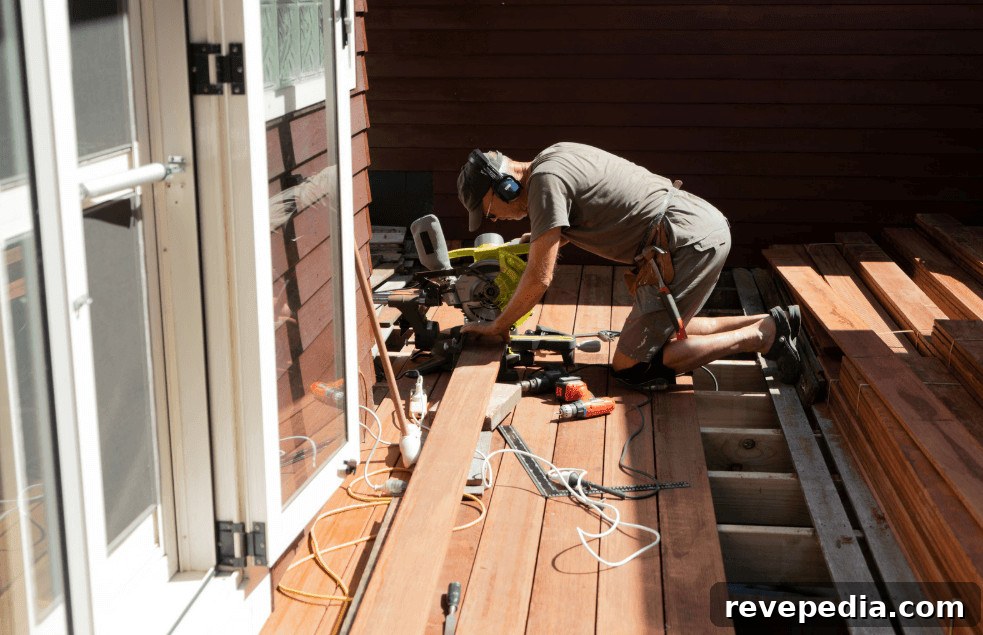
Most DIY enthusiasts prefer projects with a clear finish line: load the truck, grab the tools, and complete one room at a time. But some houses demand far more than a few good weekends. When repair lists grow faster than time or savings, selling to a cash buyer who purchases a home as-is can be the practical solution. This guide explains when Minnesota homeowners should consider an as-is cash sale, what repairs must be handled by licensed professionals, how winter weather affects repair costs, and how the as-is cash process works.
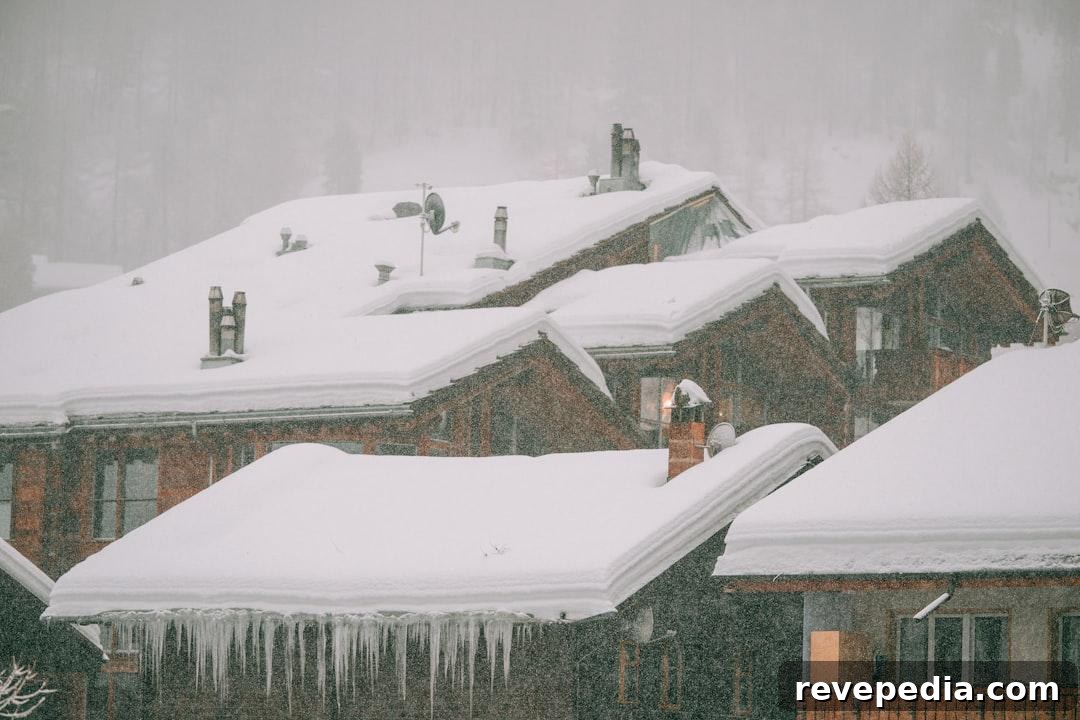
Photo credit: Maria Orlova, Unsplash
When Does a Repair List Outgrow a DIY Weekend?
A repair project crosses the line from doable to risky when the total cost approaches or exceeds the home’s market value. At that point, sweat equity no longer yields a reliable return. Major, costly items—like foundation repair, roof replacement, or a full electrical rewire—can each exceed $10,000. Combine two or more of these, and a weekend hobby becomes a long-term financial burden.
Beyond cost, consider complexity and legality. Some tasks require permits, inspections, and licensed tradespeople; performing them yourself without proper credentials can lead to fines or make future sales difficult. Prioritizing exterior and cosmetic updates makes sense for smaller projects, but once several major trades are needed, a clean sale may be the smarter option.
Which Repairs Require a Licensed Professional in Minnesota?
Certain repairs are off-limits for DIYers under Minnesota law because of safety and code requirements. The state expects licensed contractors to handle work that impacts a home’s structural integrity, utilities, or safety systems. Common examples include:
- Structural repairs to foundations, load-bearing walls, or roof framing.
- Electrical panel upgrades and new circuit wiring.
- Gas-line work for furnaces, water heaters, or stoves.
- Major plumbing changes, including sewer and water-service line work.
- Replacement of furnaces or HVAC systems that involve gas connections and venting.
These jobs carry significant safety risks and almost always require permits and inspections. A missed permit can delay or derail a future sale. If three or more of these items appear on your to-do list, your project has likely outgrown a DIY plan.
How Does Minnesota Weather Affect Repair Costs?
Minnesota’s cold climate accelerates wear and turns small problems into costly emergencies. What starts as a slow leak in summer can become a burst pipe in January. Ice dams—ridges of ice at the roof edge that trap melting snow—are especially common and can damage insulation, ceilings, and walls over time. Prolonged subzero temperatures magnify that damage and the urgency to fix it.

Photo credit: Laura Ohlman, Unsplash
Vacant or poorly heated homes are particularly vulnerable during freezes; a furnace failure can burst pipes within hours, and emergency furnace replacement can easily exceed $5,000. Meanwhile, holding costs—monthly heat, insurance, taxes, and maintenance—accumulate while a property sits on the market or waits for repairs. The longer the timeline, the less the final profit.
How an As-Is Cash Sale Works in Minnesota
An as-is cash sale means the buyer agrees to purchase the property in its current condition without requiring the seller to perform repairs or staging. The seller still has an obligation to disclose known material defects in writing, but they do not need to fund repairs. The buyer factors repair costs into their offer.
A typical as-is cash sale often follows this process:
- The buyer reviews the home, sometimes within 48 hours of contact.
- You receive a written, no-obligation cash offer with a clear purchase price.
- Parties agree on a closing date—often as soon as 7 to 14 days if title is clear.
- Title work and closing documents are completed, and funds are transferred without agent commissions if you choose to sell directly.
Because there’s no mortgage underwriting or appraisal contingency, closings can be much faster than traditional sales. However, the cash offer typically reflects the anticipated cost of needed repairs and the buyer’s risk.
Renovate or Sell As-Is: How to Decide
Choose the path that best fits your budget, timeline, and goals. Renovation makes financial sense when most required work is cosmetic—paint, flooring, fixtures, and basic landscaping—that can be completed affordably and raise the home’s market value. A patient owner doing the work themselves can often capture the upside.
Sell as-is when repairs require licensed trades, heavy capital investment, or intolerable holding costs. If completing the work would deplete your savings or force you to carry the property for months, a credible cash offer can close the chapter quickly and free up resources for your next move.
Always run the numbers: estimate full repair costs, include holding expenses and permit fees, and compare the net result to nearby sold comps for renovated homes. That comparison will clarify whether investing in repairs or accepting a discounted cash offer is the better financial choice.
Checklist: What to Consider Before You Decide
- Create a written, itemized repair estimate before committing to renovations.
- Identify which tasks require permits or licensed trades in Minnesota.
- Include monthly holding costs—heat, taxes, insurance, utilities—when projecting totals.
- Factor in winter risks like ice dams, frozen pipes, and emergency heating failures.
- Lean toward a cash sale when major repairs outstrip your budget or timeline.
Is a Cash Sale the Right Call?
A cash sale isn’t the best option for every seller, but it is a practical solution for owners facing expensive, time-consuming repairs they can’t or don’t want to complete. When the repair list approaches or exceeds the home’s market value, a clean cash offer can stop the financial bleed and provide a fast, certain sale. Evaluate costs, timelines, and your personal tolerance for renovation risk, and then choose the path that protects your finances and moves you forward with confidence.
Frequently Asked Questions
How do I know which repairs need a licensed professional?
In Minnesota, structural work, major electrical upgrades, gas-line work, and significant plumbing changes generally require licensed tradespeople and permits. These are safety-sensitive jobs that typically cost far more than cosmetic fixes. Always verify contractor licensing and permits before work begins.
Do I still need to provide a seller disclosure for an as-is cash sale?
Yes. Minnesota law requires a written disclosure of known material facts for most residential sales. You must disclose known defects, but you are not required to repair them. A cash buyer will review the disclosure and factor defects into their offer.
How fast can an as-is cash sale close in Minnesota?
Many cash sales close within 7 to 14 days after title is cleared because there is no lender involved. The exact timing depends on title work, parties’ schedules, and any negotiated contingencies.
Will winter damage reduce a cash offer?
It can. Issues like ice-dam damage or burst pipes increase the buyer’s estimated repair costs, which typically results in a lower offer. The advantage is that you avoid paying for those repairs out of pocket; the buyer assumes the expense and risk after closing.