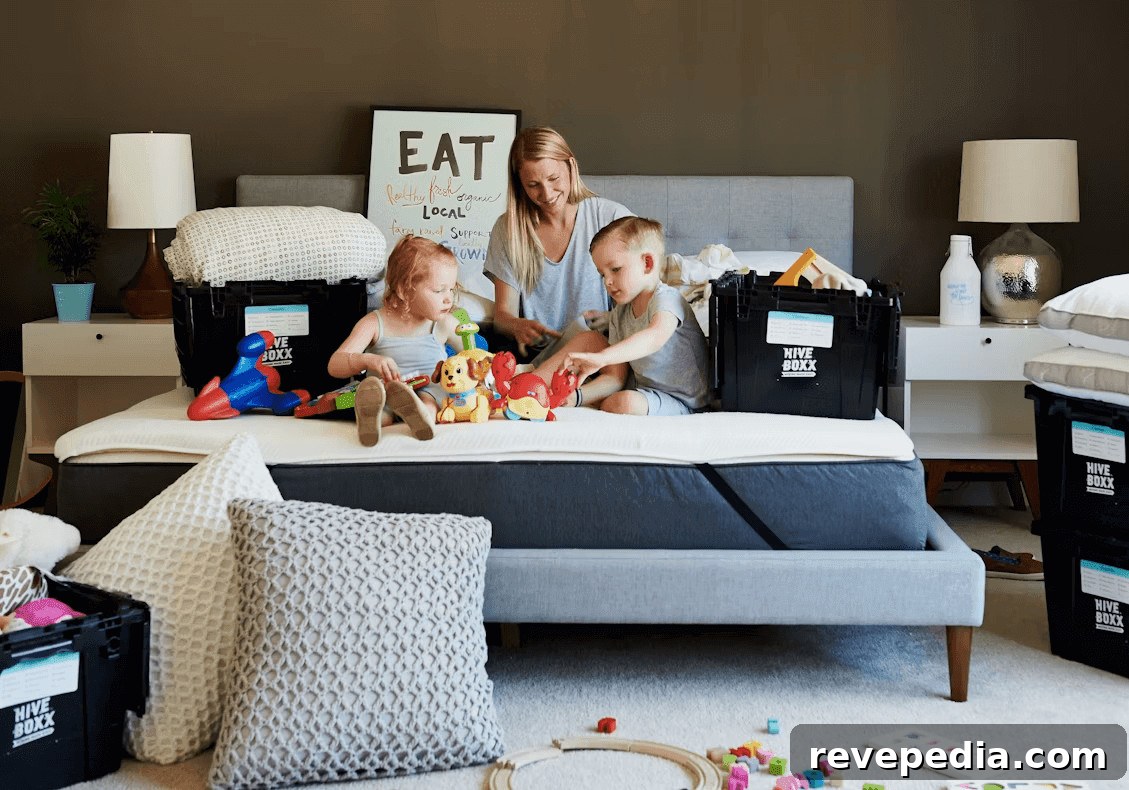
Adults often treat a move like a checklist or a project to be completed. For children, a move can feel like the only home they know being dismantled and driven away. The difference between a move that kids handle with resilience and one that produces weeks of difficult bedtimes and clinginess usually isn’t about distance or the new house — it’s about how the days and weeks around moving day are managed.
Tell them early, and match the message to their age
Delaying the news until “everything is certain” tends to backfire. Children pick up on packing activity long before they receive an explanation, which can increase anxiety. Tailor the conversation to their developmental level: toddlers need concrete, simple explanations (“we’re moving your toys to our new home”), school-age children need answers to practical questions like “Will I change schools?” or “Can my friends visit?”, and teenagers need autonomy. Letting a teen choose how their new room will look or have input on moving logistics helps the change feel like something they have a role in, rather than something happening solely to them.
Give every child a “first-night” box they pack themselves
Have each child pack a box for the first night in the new home and let them do it themselves if they are able. Items should include a favorite stuffed animal or comfort item, pajamas, a night light, a bedtime book, and clothing for the next day. That box should travel with the family in the car rather than go on the moving truck. This isn’t only about convenience — it reassures the child that their most important things are within reach throughout the day. For adults, prepare a similar box with sheets, towels, chargers and coffee supplies so everyone has what they need that first night.
Moving day: keep young children off-site, involve older kids with real jobs
For children under about six years old, it’s best to arrange care away from the chaos of moving day: grandparents, a trusted friend, or a normal daycare day. Movers carry heavy furniture, doors are propped open, and the environment can be unsafe and overwhelming for small children. Older kids who can help should be given real responsibilities and titles — labeling their own boxes, checking rooms one last time, or acting as the official water-bottle or snack runner. Being useful and having a role reduces stress for kids and makes them part of the transition.
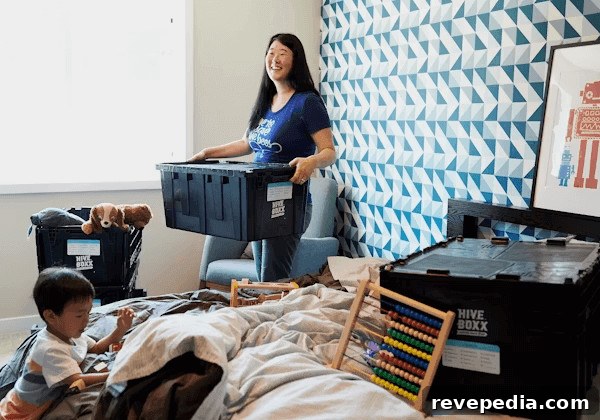
Set up children’s rooms first — before your own or the kitchen
The quickest way to make an unfamiliar house feel safe is to prioritize bedrooms, particularly the children’s. Assemble the bed, put on familiar sheets, hang curtains, and make favorite items visible before worrying about the rest of the house. Everything else can remain in boxes for a week. Keep the bedtime routine as consistent as possible that first night — the same book, the same order, the same time. Routine can travel with you even when most other things have not yet been unpacked.
Expect the dip in week two, not day two
Many children are energized by the move itself and the novelty of a new home, but the emotional slump often arrives later, typically in the second week after the move. Once the novelty fades, children may become clingier, moodier, or temporarily regress in behaviors that had been outgrown. This decompression is normal and usually improves more quickly with two things: reconnecting to familiar activities (resuming the same sport, class, or group within a couple of weeks) and responding with patience rather than punishment. If difficulties persist beyond a month or two, it’s appropriate to discuss concerns with a pediatrician or child mental health professional, but most children adjust well with time and support.
The timing question: summer move or mid-year?
Each option has trade-offs. Moving in the summer is often easier logistically and gives children time to settle in before school, but it can also mean weeks in a new place without built-in opportunities to meet peers. A mid-year move places a child directly into a classroom where new friendships can form quickly. There’s no single right answer; consider the child’s social needs. For children who rely on school as their main social outlet, arriving a few weeks before classes begin can be an effective compromise.
What moving crews notice
Experienced movers often spot families that planned ahead. When a home has a calm rhythm instead of frantic activity, the whole process goes more smoothly. One practical strategy movers frequently praise is assigning kids clear, simple job titles during the move — for example, an “inventory manager” with a clipboard checking off boxes. Giving a child a visible role can become a memorable, positive part of the experience and helps parents manage the unload more effectively.
FAQ
Should children be present on moving day? For children under six, arrange care off-site if possible. For children six and older, having them present with specific responsibilities is helpful. The worst scenario is leaving a bored child at home told to “stay out of the way” for many hours.
How do I transfer school records during a local move? Once enrollment in the new school is confirmed, request records from the current school. Most districts transfer student records directly between schools. Enroll as early as the new district allows; waiting until arrival week can cause unnecessary missed school days.
Is moving during the school year feasible? Yes. Teachers are accustomed to welcoming mid-year arrivals, and classmates provide an immediate social network. Try to avoid making a child’s very first day in a new school also an intense unpacking day at home.
How long until children feel settled? Most children find a new routine within four to six weeks, especially when their bedrooms are set up first, extracurricular activities restart quickly, and parents keep lines of contact open with old friends rather than letting those relationships end abruptly.