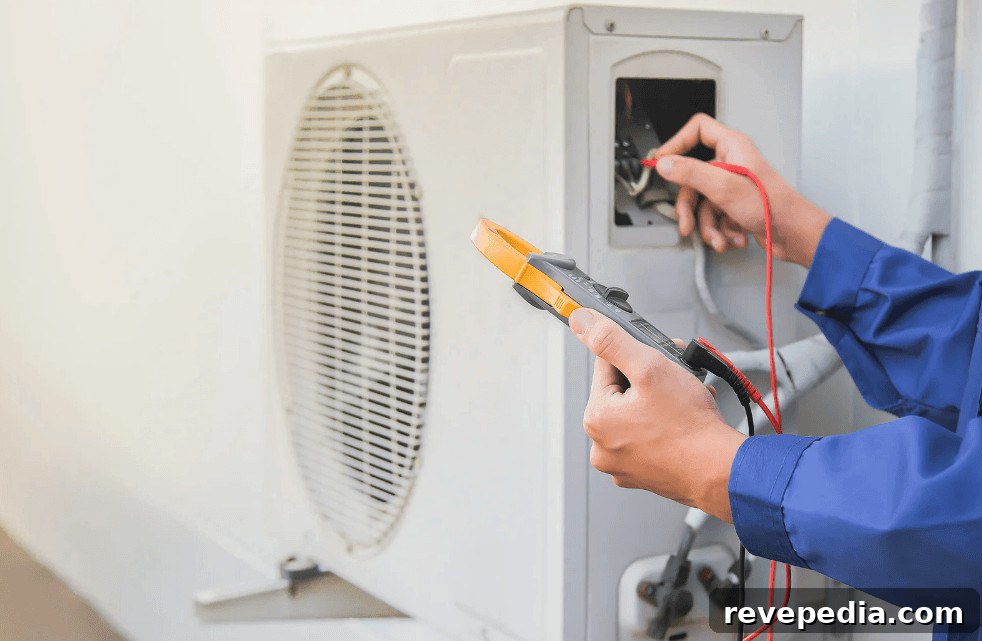
The high temperatures of summer in states like California and New York put added strain on HVAC systems. For owners of commercial and residential buildings, proactive maintenance is essential to keep heating and cooling systems operating efficiently, reduce energy use, and avoid costly repairs or downtime when the heat arrives.
If you are considering an NYC-based HVAC repair service such as Fusion Repair HVAC, use the checklist below to prepare your property and ensure the system performs reliably throughout the warm season.
Schedule Your HVAC Service Before May
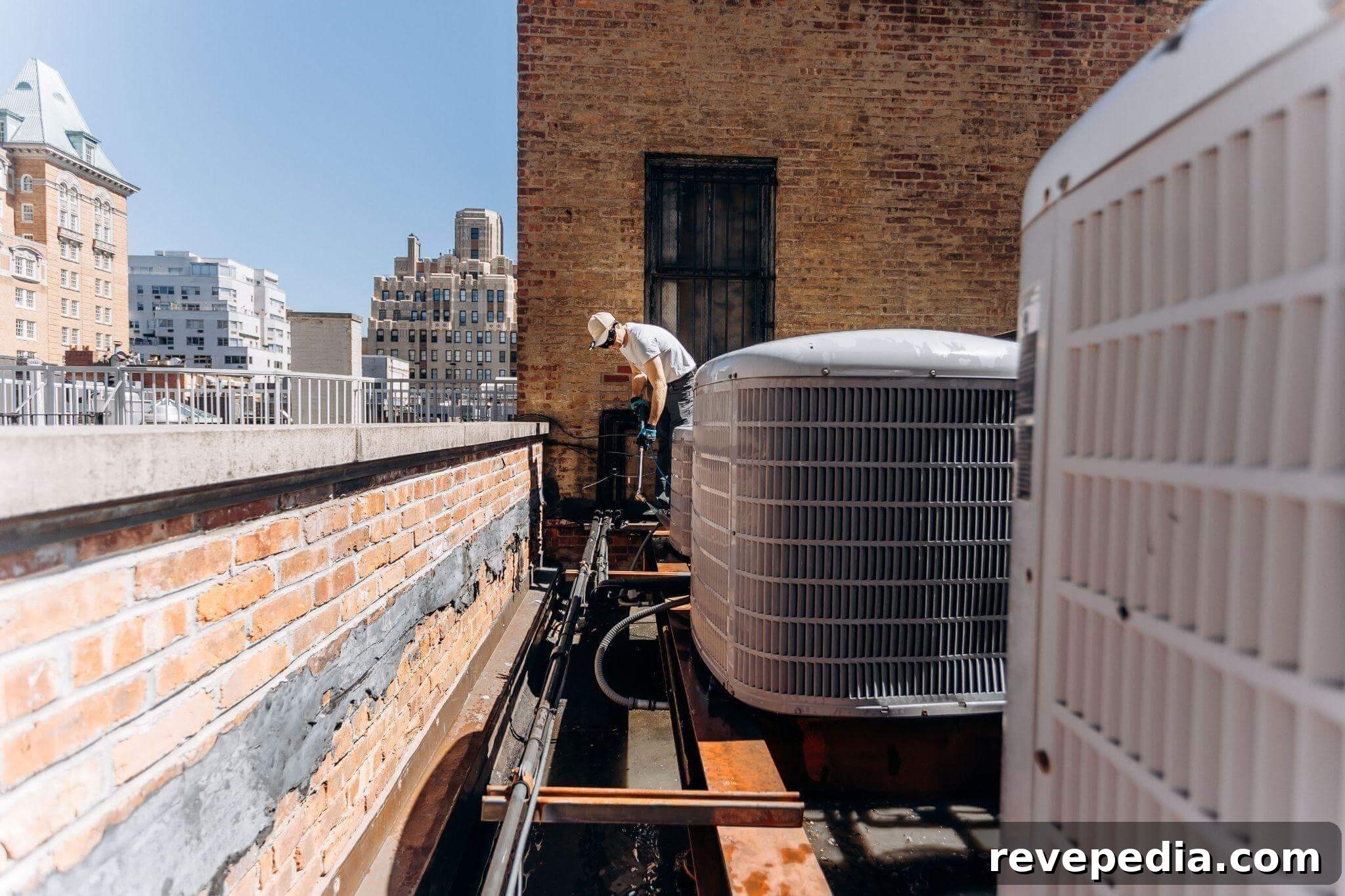
Spring is the best time to arrange a tune-up. Technicians are generally less busy than they will be during peak summer months, so you can secure an appointment that fits your schedule. A full system inspection identifies issues beyond the single component that might be malfunctioning, allowing technicians to evaluate ductwork, refrigerant levels, electrical connections, thermostat calibration, and overall system health.
Replace Air Filters Regularly
Dirty filters restrict airflow, force HVAC components to work harder, and reduce overall efficiency. Replacing disposable filters monthly during heavy use, or as recommended by the manufacturer, improves airflow, indoor air quality, and system longevity. When booking professional service, confirm whether the provider will inspect and replace filters as part of the tune-up.
Inspect Window AC Brackets and Seals
Window units are common in many New York City residences and small offices. Check that mounting brackets are secure, weather seals are intact, and drainage paths are clear. Loose brackets or torn seals reduce cooling performance and can cause water leakage. Early inspection prevents common summertime failures and improves unit safety.
Clear Vents and Registers
Blocked supply and return vents reduce airflow and create uneven temperatures. Keep furniture and curtains away from vents, vacuum or dust registers, and ensure return grilles are unobstructed. Often, simply improving airflow will fix hot or cold spots without requiring major repairs.
Book a Refrigeration Check for Commercial Kitchens
Restaurants and food-service facilities rely on refrigeration year-round, and warmer weather increases load on cooling systems. Regular checks of condenser coils, door seals, refrigerant levels, and temperature control will reduce the chance of breakdowns. Commercial HVAC and refrigeration technicians can schedule preventive service visits timed to your busiest seasons.
Test Your Building’s Emergency Cooling Plan
Prepare for equipment failures before they happen by creating and testing an emergency cooling plan. Important elements to document include:
- Who employees should contact if cooling fails;
- Availability and location of backup fans or portable cooling units;
- Contact information for emergency service providers and preferred contractors;
- Procedures to protect sensitive equipment and maintain critical operations during an outage.
Having a written response plan reduces downtime and confusion when HVAC systems unexpectedly stop working.
Review Last Summer’s Energy Bills
Compare current utility usage to last year to spot gradual declines in system efficiency. If electricity consumption rose significantly without changes to occupancy or operating hours, your HVAC system may be overworking or components may be failing. Reputable service teams will review past maintenance records and utility trends to identify problems and recommend corrective measures that lower energy costs.
Verify Contractor Insurance and Credentials
Many commercial properties require contractors to provide a current Certificate of Insurance (COI) before starting work. Confirming insurance, licenses, emergency availability, and experience with your system prevents schedule delays and protects your business. Ask potential service providers about maintenance agreements, emergency response times, and references from similar residential or commercial projects.
Know Your Warranty Status
Before scheduling repairs, check the warranty on your HVAC equipment and appliances. Manufacturer warranties often require documented maintenance to remain valid. Make sure your service provider records inspections and repairs in writing so you can support future warranty claims. An experienced technician can explain which maintenance activities are necessary to preserve warranty coverage.
Conclusion
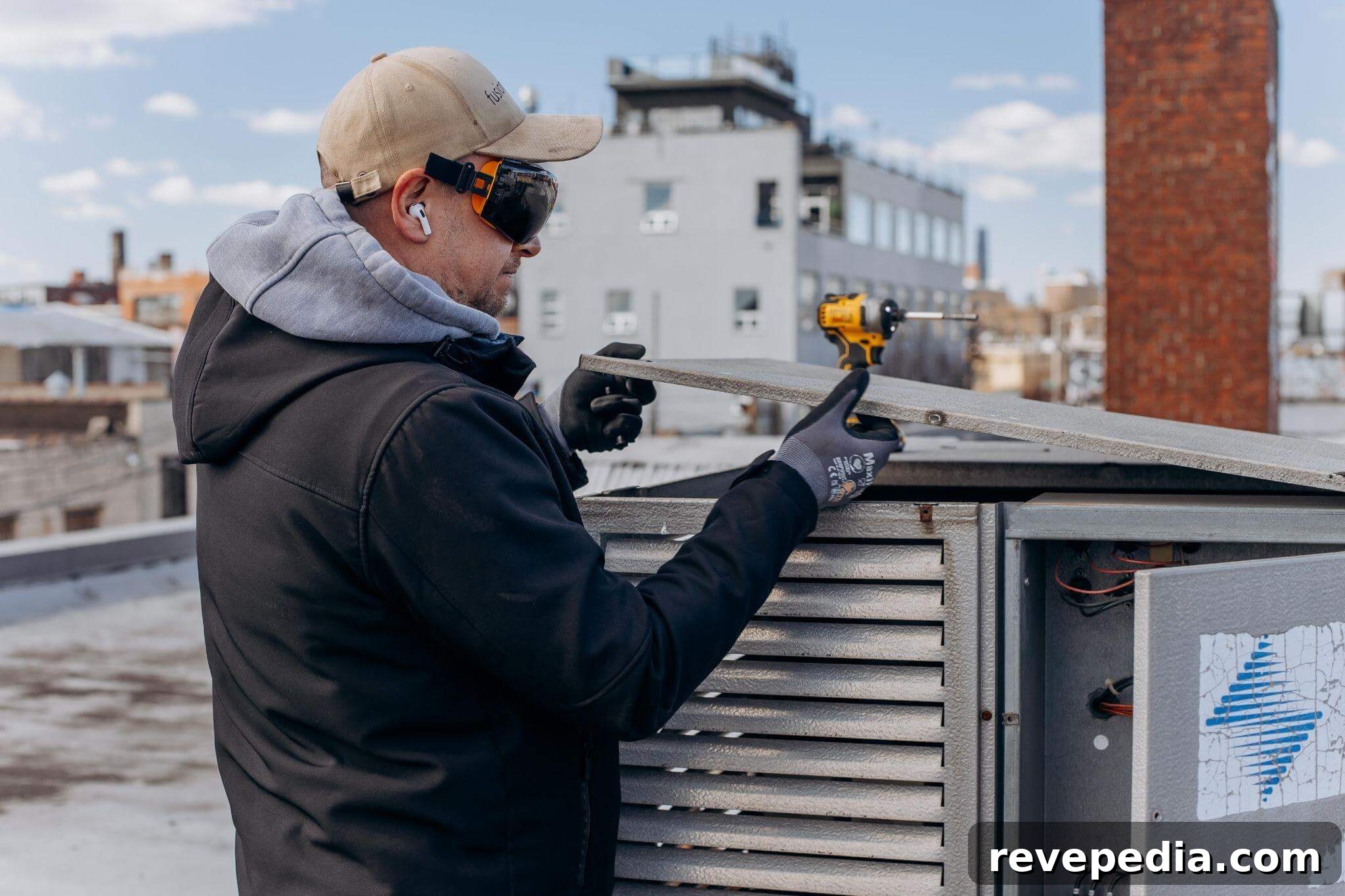
Preparing your property for summer helps improve efficiency, reduce unexpected breakdowns, and extend the life of HVAC and refrigeration equipment. Key tasks include scheduling a spring tune-up, replacing filters, inspecting window units and vents, reviewing warranties and energy use, and ensuring contractors have proper insurance and credentials. Whether maintaining a home, office, or restaurant, proactive service by a qualified HVAC contractor will help keep indoor environments comfortable and energy costs under control.
Have you prepared your property for the summer heat? Share your maintenance tips or experiences in the comments section below.