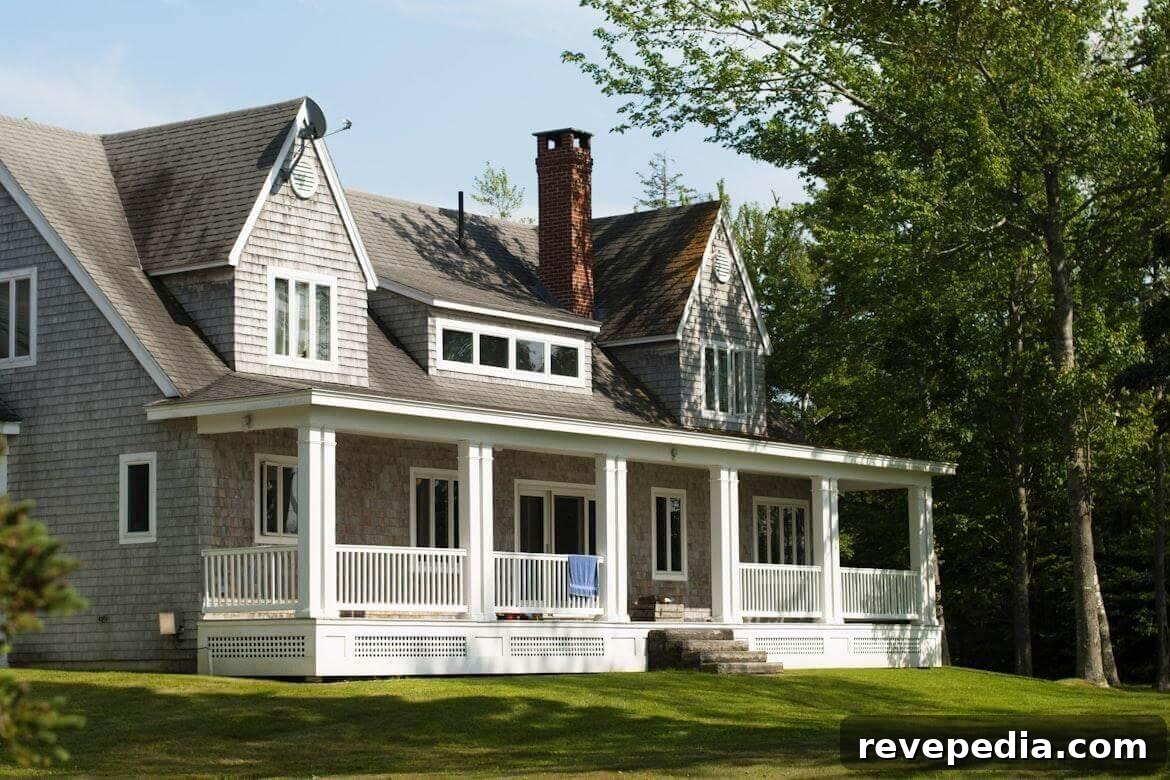
Targeted updates inside and outside your home can dramatically change how it looks, feels, and functions. Small, well-planned improvements produce visible results quickly and let you work at your own pace while increasing comfort and curb appeal.
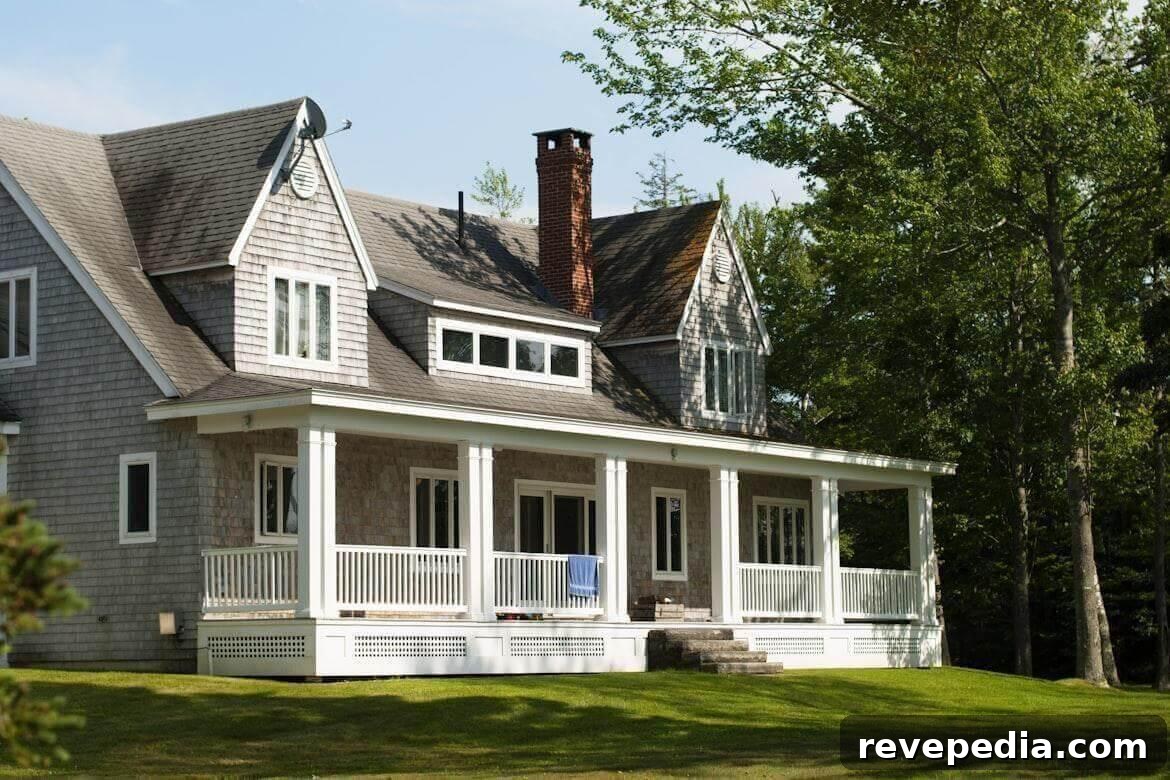
Refresh Interiors with New Paint Colors
A fresh coat of paint is one of the most cost-effective ways to update dated rooms. Neutral shades like soft cream, taupe, or muted gray visually expand smaller spaces, while painting trim and baseboards in crisp white sharpens the overall look. For bedrooms and home offices, consider a darker accent wall—deep navy or forest green adds depth and personality without overwhelming the room. Choose satin or semi-gloss finishes in high-traffic areas for easier cleaning and longer-lasting walls.
Elevate Windows for Comfort and Ambience
Windows set the tone for any interior. Custom cellular shades provide a modern, clean look while helping to control sunlight and privacy. Professional measurement and fitting ensure clean lines that match window trim and improve overall aesthetics. Coordinating window treatments with your furniture and finishes creates cohesion throughout the home—soft fabrics add warmth, while properly sized coverings transform simple windows into intentional focal points.
Layer Window Treatments for Depth
Layering window coverings adds texture and improves light control. An inner shade manages privacy and daylight, while outer drapery contributes color and softness. Light sheer drapes gently diffuse morning sun in living areas; heavier opaque curtains block streetlights in primary bedrooms. Pairing solid drapery panels with patterned inner shades balances visual interest, and sturdy, properly mounted rods keep heavy curtains secure. This dual-layer approach lets you fine-tune daily light and atmosphere for different rooms and times of day.
Improve Thermal Efficiency with Insulated Shades
Single-pane or large glass areas can sap interior comfort. Insulated window treatments, especially honeycomb or cellular designs, trap air at the glass and reduce heat transfer, helping stabilize indoor temperatures across seasons. Homeowners often notice more consistent comfort near large north-facing windows after upgrading shades. Choosing quality hardware ensures that thicker, insulated shades operate smoothly.
Maximize Daylight with Larger Windows
Expansive glass surfaces invite natural light and visually connect indoor living areas with outdoor spaces. Floor-to-ceiling windows and large sliding glass doors extend sightlines to gardens and patios, creating a sense of openness. Wide glass panes and low-profile frames maximize views; solar films can protect floors and fabrics from UV fading without sacrificing daylight. Strategically placed large windows also help capture passive solar heat during sunny winter days and reduce reliance on artificial lighting.
- Wide glass panes bring garden views into dining and living rooms.
- Low-profile frames increase viewing area while maintaining clean sightlines.
- Clear glass doors allow outdoor landscaping to serve as natural interior décor.
Choose Durable Materials for Humid Areas
In bathrooms, kitchens, and sun-exposed rooms, durable synthetic materials hold up better than natural wood. Moisture-resistant profiles resist warping, cracking, and discoloration, and they clean easily with a damp microfiber cloth. These materials maintain their appearance with minimal maintenance and reduce the need for frequent replacements, making them practical choices for high-humidity environments.
Control Microclimates with Thermal Blinds
Thermal blinds and cellular shades help regulate indoor microclimates by trapping air and reducing heat gain in summer and heat loss in winter. Consistent indoor temperatures increase comfort throughout the house and can reduce heating and cooling demand. Custom-fitted thermal shades eliminate cold drafts near large window openings and, when professionally installed, operate smoothly across wide expanses. They also help protect sensitive indoor plants from sudden temperature swings while diffusing direct glare.
Refresh Exterior Surfaces with Power Washing
Curb appeal begins at the exterior. Dirt, mildew, and algae accumulate on siding, driveways, walkways, and roofs over time. Power washing restores the original look of surfaces, brightening entryways and making exterior colors pop without major renovations. Regular washing prevents organic buildup that can degrade materials and helps maintain safety by removing slippery algae from stone steps and pathways.
Upgrade Decks, Storage, and Outdoor Living Zones
An organized backyard is more inviting. Built-in storage benches hide tools and toys, while staining wooden decks protects against the elements and prevents sun damage. Adding low-voltage lighting along steps improves safety for evening use, and outdoor rugs or planters define seating areas on patios. Creating designated dining and lounge zones encourages outdoor entertaining, and weather-resistant storage preserves cushions and accessories between uses.
Simple Landscaping Moves to Boost Value
Basic landscaping tasks produce immediate curb-appeal gains. Tidying garden beds, edging borders, and trimming overgrown branches create cleaner, more attractive outdoor spaces. Planting perennials offers dependable seasonal color, while fresh mulch both suppresses weeds and helps retain soil moisture. Adding gravel paths or stone borders improves access and prevents mulch from washing onto walkways. Together, these small improvements enhance property value and make exterior spaces more enjoyable.

Thoughtful, incremental updates—refreshing paint, upgrading windows and window treatments, maintaining exterior surfaces, and improving outdoor living areas—deliver big returns in comfort and appearance. By tackling one high-impact area at a time, you can create a home that feels renewed, functions better, and is a place family members enjoy returning to each day.